Step 2 - Soil & Fill
The Best Raised Bed Soil Under $50 a Bag
Every bagged mix looks similar on the shelf. The number that separates them is not the price on the bag -- it is the price per cubic foot.
Janet H. - the hands-on owner behind Janet Media Group.
Published
This page contains affiliate links. If you buy through them we may earn a commission at no cost to you, and it never decides what we recommend. How this site is funded.
The short version. For most beds the Espoma Organic Raised Bed Mix is the right bag under fifty dollars: a purpose-made bed mix rather than a potting soil, widely stocked so you can top up mid-project, and priced so that filling a bed with it is merely expensive rather than absurd. The budget pick is the FoxFarm Raised Bed Planting Mix -- a heavier blend formulated for beds rather than pots, and the cheapest purpose-made bed mix here per bag. If you are filling a small bed and want the best growing medium in the bracket rather than the cheapest, the Coast of Maine Castine Blend is the premium answer.
Two of the picks above are not fills at all. Pure earthworm castings and concentrated composted poultry litter are amendments: you use a little of each through the top few inches of a bed, not a bed's worth. They are on this page because they are the two things most often bought by mistake as fill, and because used correctly they are the best value in the bracket.
How we chose
- Under $50 a bag with a live price. Every pick is confirmed under the line by our price layer, with the check date shown on the buy control.
- Formulated for a bed, not a pot. Potting soils are light and peat-heavy by design; in a bed they slump and dry. We say which picks are which.
- Compared per cubic foot, not per bag. Bag sizes differ enormously in this category, which makes shelf price close to meaningless.
- Fills and amendments kept separate. The commonest expensive mistake in this category is buying an amendment to fill a bed.
- No invented testing. Scores are editorial judgment from published specifications and the cited Extension guidance, not trials or rating averages.
Quick picks
| # | Product | Best for | Score | Price |
|---|---|---|---|---|
| 1 | 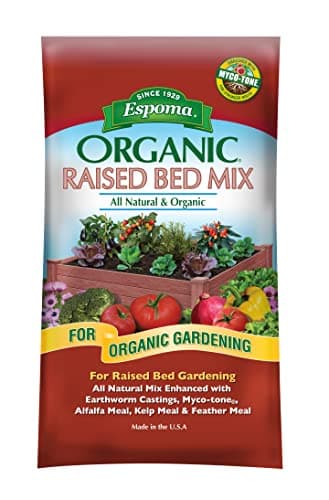 Top pickEspoma Organic Raised Bed MixPurpose-made raised bed mix, widely stocked | The simple bagged default | 8.7 | $31.69 - View on Amazon |
| 2 | 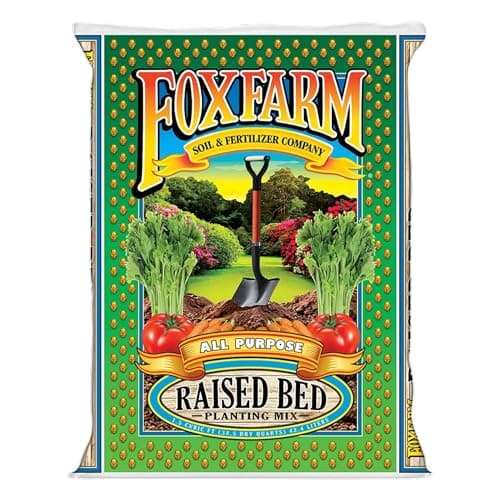 FoxFarm Raised Bed Planting MixHeavier blend formulated for beds, not pots | Bed-scale FoxFarm | 8.6 | $31.92 - View on Amazon |
| 3 | 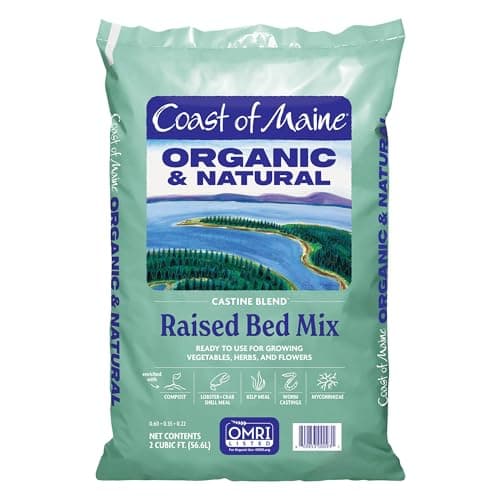 Coast of Maine Castine Blend Raised Bed MixCompost-rich blend with castings, kelp and biochar | A bed you fill once and feed | 9.0 | Check price on Amazon |
| 4 | 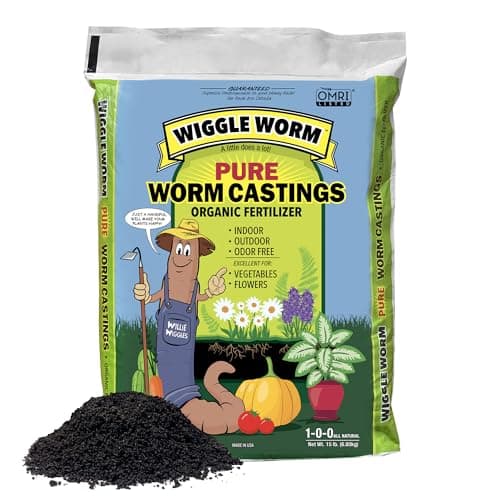 Wiggle Worm Pure Earthworm CastingsPure castings, used at low rates | Topping up a tired bed | 8.8 | $26.75 - View on Amazon |
| 5 | 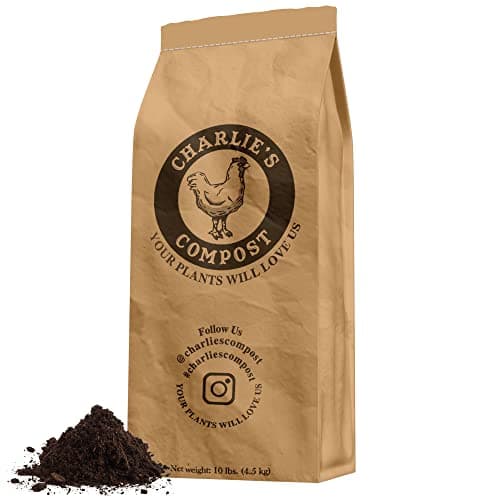 Charlie's CompostComposted poultry litter with mineral additions | A compost boost, not a fill | 8.4 | $25.99 - View on Amazon |
#ad We may earn a commission - Price as of November 24, 2026
Scores are our own editorial judgment, formed from published specifications and independent sources. They are not aggregated customer ratings, and they are not the result of hands-on testing, which we do not currently do. See how we choose.
Price per bag is the wrong comparison
This is the single most useful thing on the page. Bagged growing media are sold in anything from a cubic foot to a cubic yard, so two bags at the same price can differ by a factor of three in what they actually contain. Before comparing anything, divide.
| Step | What to do | Why |
|---|---|---|
| Find the volume | Look for cubic feet on the bag, not weight | Weight varies with moisture; volume is what fills the bed |
| Divide price by cubic feet | That is the only comparable number | A bigger bag at a higher price is often cheaper |
| Work out the bed volume | Length x width x depth in feet | Then you know how many bags, before you shop |
| Compare against bulk | Price a delivered yard for the same volume | Above roughly 15 cu ft, bulk normally wins |
Run that on a typical 8 x 4 bed at twelve inches and you get about thirty-two cubic feet. Even at the kindest bag price in this bracket that is a large number of bags and a bill several times what the bed cost. The raised bed soil calculator does the volume arithmetic, and bulk soil vs bagged soil has the crossover point and what to ask a supplier for.
Fill, mix or amendment: three different products
- Fill is the cheap bulk material in the bottom half of a deep bed -- screened topsoil, bulk compost, or a soil-and-compost blend. It is not bought in bags if you can help it.
- Bed mix is the purpose-made blend that goes in the top eight to twelve inches, where roots actually work. This is what the bagged products in this bracket are for.
- Amendment is a concentrate used at low rates: castings, composted manure, mineral additions. A bed of neat amendment is both wasteful and, in some cases, too strong.
- Potting soil is a fourth thing again -- light, fast-draining, made for containers. It slumps and dries badly if used as bed fill.
Getting those four straight is most of what separates a bed that works from a bed that cost too much and grew badly. Raised bed soil vs garden soil covers the distinction in detail, and our raised bed soil mix recipe gives the proportions for mixing your own, which is cheaper than any bag in this bracket at scale.
What to check on the bag
- Does it say raised bed, or potting? The words are not interchangeable and the textures are genuinely different.
- What is the volume in cubic feet? If the bag only gives weight, treat that as a reason to compare elsewhere.
- Is compost a listed ingredient or the whole product? Neat compost as a bed fill holds too much water and slumps; it belongs as a component.
- Is it fertilised, and how heavily? A pre-fertilised mix is convenient for one season and means you should not feed again immediately. Colorado State Extension's guidance on choosing an amendment is a useful corrective to over-enriching a bed.
- Is there a mineral component? Bed mixes need some grit, sand or soil for structure. An all-organic blend compacts and shrinks as it decomposes.
And one thing not to worry about: brand continuity. Topping a bed up with a different mix next year is fine. Beds are mixed, living systems, and a layer of something slightly different through the top few inches is closer to how soil actually builds than a sealed recipe would be.
The picks in full
Top pick
Espoma Organic Raised Bed Mix
Espoma
The easy recommendation: purpose-built for raised beds, organic inputs, and available almost everywhere.
If you want one bagged mix and no decisions, this is it. It is blended for raised beds specifically, which matters: potting mix is designed to drain fast in a small container, and garden soil is designed to sit in the ground. Neither behaves well as a bed fill on its own.
The input list is straightforward organic material -- castings, alfalfa, kelp, feather meal -- and there are no synthetic feeds in it, which is what most people asking about organic actually want to know.
Availability is a genuine advantage. Mid-season top-ups are a real need, and a mix you can pick up locally beats a better one you have to order.
What works
- Made for raised beds rather than repurposed potting soil
- Organic input list with no synthetic feeds
- Very widely stocked, so easy to top up mid-season
- Good structure straight from the bag
What does not
- Bag sizes are small for a full fill
- Less ingredient complexity than the premium blends
- Still a bagged-mix price, not a bulk price
Skip it if: you need volume. It is a good mix at a normal price, which still adds up fast across 30-plus cubic feet.
| Type | Ready-to-use raised bed mix |
|---|---|
| Listed inputs | Earthworm castings, alfalfa meal, kelp meal, feather meal |
| Fertilizer | No synthetic plant foods listed |
| Bag size | Commonly 1 and 1.5 cu ft |
Bed-scale FoxFarm
FoxFarm Raised Bed Planting Mix
FoxFarm
The bed-appropriate product from the same maker: heavier and more structural than the potting soil, and it behaves properly in a large volume.
This is the product people usually mean when they ask whether Happy Frog is good for raised beds. The raised bed mix is the bed-scale formulation: heavier, more structural, and designed for a volume that does not drain out the bottom of a pot.
Used as the top 10 to 12 inches of a bed it works without further blending, which is the main convenience you are buying.
Check the bag before you buy. The two FoxFarm products look similar on a shelf and are formulated for genuinely different jobs.
What works
- Formulated for bed volumes rather than containers
- Holds structure across a season
- Works as the growing layer without blending
- Larger bags than most potting mixes
What does not
- Less widely stocked than the potting soil
- Still bagged-mix pricing for a full fill
- Too heavy for seed starting or small pots
Skip it if: you are potting up seedlings. This is the wrong texture for a small container.
| Type | Raised bed planting mix |
|---|---|
| Listed inputs | Aged forest products, composted materials, amendments |
| Texture | Heavier and more structural than potting soil |
| Bag size | Commonly 1.5 and 2 cu ft |
A bed you fill once and feed
Coast of Maine Castine Blend Raised Bed Mix
Coast of Maine
#ad We may earn a commission - prices are shown by Amazon, not by us
The premium bagged mix: a genuinely complex blend rather than peat with a handful of fertilizer, and it shows in the second season.
Bagged raised bed mixes vary enormously, and the ingredient list is how you tell them apart. A cheap mix is mostly peat or bark fines with a starter fertilizer. This one lists compost, worm castings, kelp, biochar and crustacean meal, which is a different product doing a different job.
The practical difference shows up in year two. Simple mixes slump and compact; a compost-rich, biologically active blend keeps its structure and keeps releasing nutrients.
Use it where it counts. Vegetable roots mostly live in the top 10 to 12 inches, so put the good mix there and use cheaper bulk material below. Filling a 17-inch bed entirely with premium bagged mix is how people end up spending more on soil than on the bed.
What works
- Genuinely diverse ingredient list, not a peat-and-fertilizer mix
- Holds structure rather than compacting over a season
- Biologically active, so it keeps improving
- Works straight from the bag with no amending
What does not
- Among the most expensive options per cubic foot
- Regional availability varies
- Overkill as bulk fill for a deep bed
Skip it if: you are filling a large bed from empty. At premium prices per cubic foot, a full fill costs more than the bed did.
| Type | Ready-to-use raised bed mix |
|---|---|
| Listed inputs | Compost, worm castings, kelp, biochar, greensand, crustacean meal |
| Use | Fill the top layer, or top up each spring |
| Bag size | Commonly 1 and 2 cu ft |
Topping up a tired bed
Wiggle Worm Pure Earthworm Castings
Wiggle Worm
The concentrate: a small amount worked into the root zone does more than a much larger volume of ordinary compost.
Castings are what a worm bin produces, and they are the most concentrated common soil amendment available in a bag. The useful property is that they are gentle -- unlike fresh manure, castings will not scorch a seedling.
Use them where roots will find them: a handful in each planting hole, or a thin layer raked into the top few inches before planting. Spreading them thinly across an entire bed is largely wasted.
If this becomes a regular purchase, that is the argument for a worm bin. You would be making the same material at home from material you currently throw away.
What works
- Very effective at small application rates
- Will not burn seedlings the way raw manure can
- Improves structure as well as feeding
- Stores well between seasons
What does not
- Expensive by volume
- Too dense to use as a bulk fill
- Easy to overuse and waste
Skip it if: you are trying to add volume. Castings are an amendment, not a fill -- a bed of pure castings is both wasteful and too dense.
| Type | Pure earthworm castings |
|---|---|
| Use rate | Worked in at low rates, not used as a bulk fill |
| Texture | Fine, dark, uniform |
| Bag size | Commonly 15 and 30 lb |
A compost boost, not a fill
Charlie's Compost
Charlie's Compost
A strong, genuinely composted amendment for beds that have been growing hard -- potent enough that the application rate matters.
There is a real difference between bulk compost, which you use by the cubic foot to build soil volume, and a concentrated composted amendment, which you use by the handful to feed one. This is the second kind.
The best use is a bed going into its second or third season, where the original fill has been cropped hard and has slumped. Blend a modest amount into the top few inches before planting rather than spreading it on top.
Follow the rate on the bag. More is not better with a concentrated amendment, and an over-fed bed grows leaf at the expense of fruit.
What works
- Noticeably potent compared with generic bagged compost
- Fully composted, so it can be used at planting time
- Small bag goes a long way
- Good for restarting a bed that has been cropped hard
What does not
- Concentrated enough that over-application is a real mistake
- Priced as an amendment, not a fill
- Has a distinct smell when first opened
Skip it if: you want bulk volume. This is a concentrated amendment and using it like bulk compost is expensive and unnecessary.
| Type | Composted amendment |
|---|---|
| Listed inputs | Composted poultry litter, forest products, clay, mineral additions |
| Use | Blended into the root zone at modest rates |
| Bag size | Commonly 10 lb |
Common questions
What is the best bagged raised bed soil under $50?
A purpose-made raised bed mix rather than a potting soil -- heavier, with a mineral component and compost through it, so it holds structure in a bed instead of slumping. Compare candidates on price per cubic foot rather than on the price printed on the bag.
How many bags of soil does a raised bed need?
An 8 x 4 bed at twelve inches deep needs about thirty-two cubic feet, which is a lot of bags at any bag size. Work out length times width times depth in feet first, then divide by the bag volume -- the answer often changes which bed size people buy.
Is bagged raised bed mix worth it, or should I buy bulk?
Bags make sense for small beds, planters, spring top-ups and the top layer of a deep bed. Above roughly fifteen cubic feet a delivered bulk load is usually cheaper per cubic foot, even allowing for the work of moving it.
Can you use potting soil in a raised bed?
Not as the main fill. Potting soils are light and fast-draining by design, which suits containers but means they slump, shrink and dry out in a bed. Use a purpose-made bed mix in the root zone, with cheaper fill beneath it in a deep bed.
Are worm castings a soil or an amendment?
An amendment. Pure castings are used at low rates -- worked through the top few inches of a bed or mixed into a planting hole. A bed filled with neat castings is both very expensive and too dense; they are among the best value in this bracket used correctly.
Sources
Factual claims on this page are backed by the published sources below, and product specifications are the manufacturers’ own. Where a figure is not published, we say so rather than estimating it.