Step 5 - Greenhouses
The Best Greenhouse Kits
Glazing thickness is a climate decision and size is the thing people regret. Both are settled before you compare prices.
Janet H. - the hands-on owner behind Janet Media Group.
Published - last updated
This page contains affiliate links. If you buy through them we may earn a commission at no cost to you, and it never decides what we recommend. How this site is funded.
For a first greenhouse in a temperate climate, buy an aluminum-framed kit with 4 mm twin-wall polycarbonate at 6 x 8 ft or larger. If you get real snow, step up to 10 mm glazing. If you only want to harden off seedlings and start spring sowings early, a cold frame does that job for a tenth of the money.
If you have X, buy Y
| Your situation | Buy | Why |
|---|---|---|
| Temperate climate, want a real greenhouse | Aluminum frame, 4 mm twin-wall, 6 x 8 ft or bigger | Insulates, diffuses light, and will not rust or shatter |
| Cold winters, snow load, want winter growing | 10 mm twin-wall glazing | Thin panels are a three-season specification and snow is a structural load |
| Northern, light-limited garden | Clear-walled hybrid glazing | Higher light transmission; shade it in midsummer |
| Not sure you will use one | A tunnel or walk-in cover | A fraction of the cost to find out whether the habit sticks |
| Only want to harden off and start early | A cold frame | Does that specific job for very little money and no site prep |
Quick picks
| # | Product | Best for | Score | Price |
|---|---|---|---|---|
| 1 | 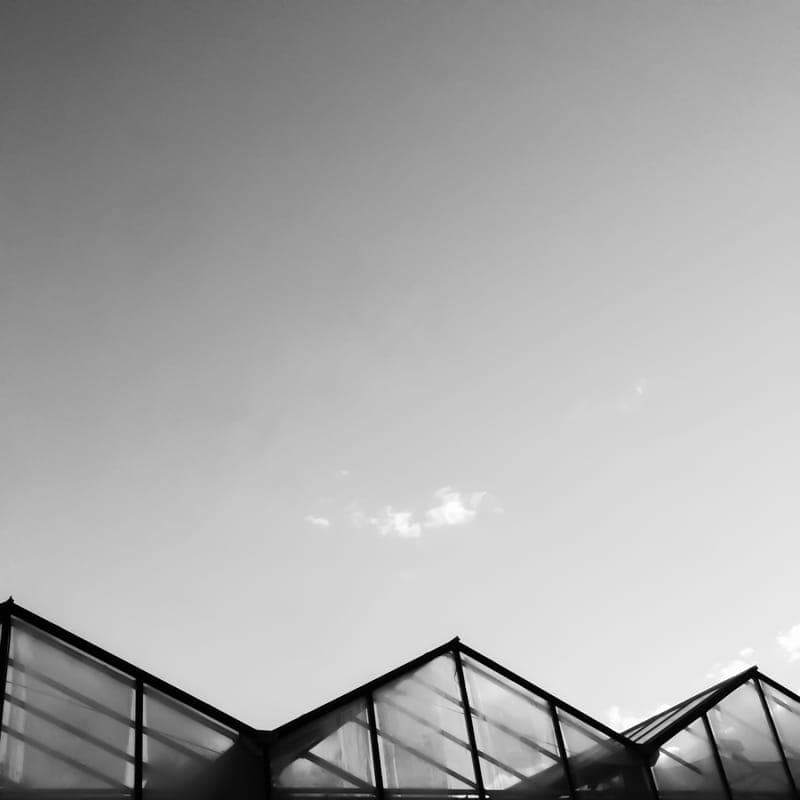 Top pickPalram Canopia Mythos GreenhouseAluminum frame, 4 mm twin-wall polycarbonate | A first real greenhouse | 9.0 | Check price on Amazon |
| 2 | 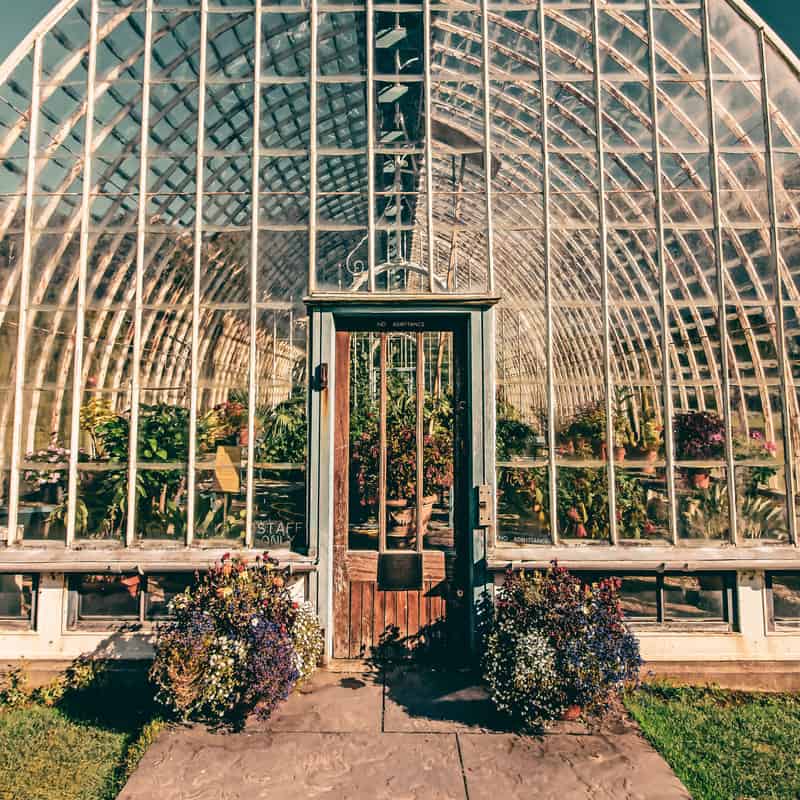 Palram Canopia Hybrid GreenhouseClear side panels, twin-wall roof | Seeing in, and light diffusion | 8.8 | Check price on Amazon |
| 3 | 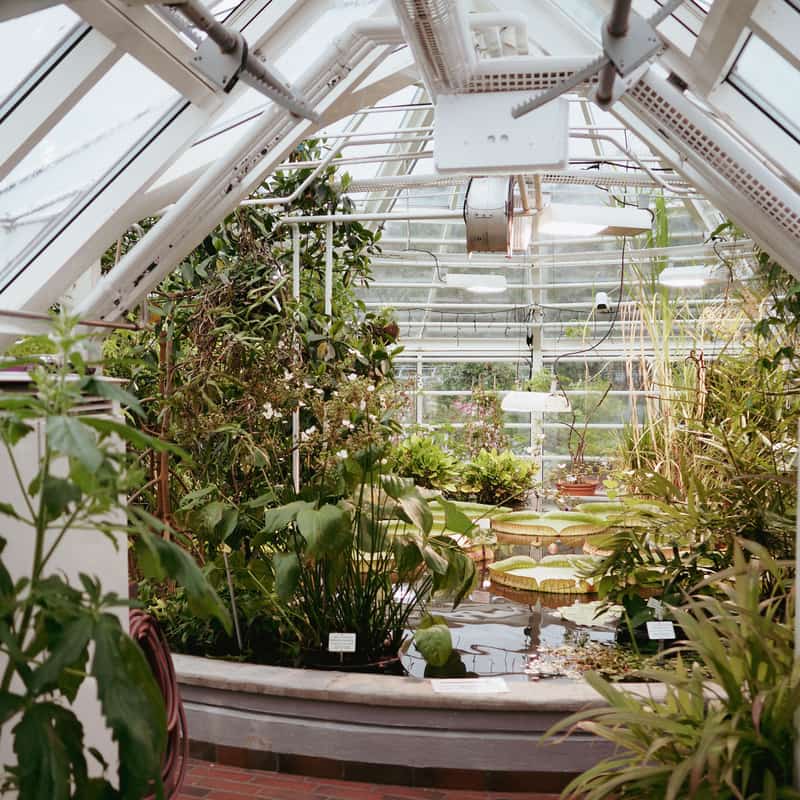 Palram Canopia Glory Greenhouse10 mm twin-wall polycarbonate throughout | Cold climates and winter growing | 8.9 | Check price on Amazon |
| 4 |  Quictent Portable Walk-In GreenhouseSteel tube frame with reinforced PE cover | The cheapest usable start | 7.8 | Check price on Amazon |
| 5 |  Ohuhu Mini Greenhouse with Shelves4-tier shelf frame with zip cover | Balconies and seedling trays | 7.5 | Check price on Amazon |
| 6 |  VIVOSUN Cold Frame Mini GreenhouseLow-profile frame with hinged clear lid | Extending the season over a bed | 8.0 | Check price on Amazon |
| 7 |  Min/Max Greenhouse ThermometerRecords the high and low since last reset | Knowing what actually happened overnight | 8.6 | Check price on Amazon |
#ad We may earn a commission - prices are shown by Amazon, not by us
Scores are our own editorial judgment, formed from published specifications and independent sources. They are not aggregated customer ratings, and they are not the result of hands-on testing, which we do not currently do. See how we choose.
What a greenhouse actually does
Three things: it starts the season earlier, ends it later, and gives heat-loving crops conditions your climate does not naturally provide. What an unheated one does not do is make winter go away -- it runs a few degrees above outside, which keeps hardy greens alive and will not grow a tomato in January.
Being clear about that in advance is the difference between a structure that earns its space and an expensive shed full of dead plants in February.
Ventilation is not an optional extra
A sealed greenhouse on a sunny spring day can reach temperatures that cook seedlings by lunchtime. Extension guidance on hobby greenhouses treats ventilation as a core design requirement, not an accessory, and notes it is most critical on days that are sunny but cool -- precisely the conditions of early spring.
Every kit worth buying has at least a roof vent. An automatic vent opener -- a wax cylinder that expands with heat, requiring no power -- is the single accessory that prevents the most common greenhouse disaster, which is a hot day when nobody was home.
Anchoring
A lightweight aluminum-framed kit is effectively a sail. Every story about a greenhouse ending up in a neighbor's yard starts with a kit that was not bolted down. Use the manufacturer's base rail and ground anchors, or bolt it to a prepared base. This is not a step to improvise.
Siting
- Maximum winter sun. An open southern aspect, away from the shadow of the house.
- Watch for deciduous trees. A bare branch in March becomes dense shade in May.
- Shelter from the prevailing wind, but not tight against a fence -- you need access all round to fit and clean panels.
- Level, drained ground. A greenhouse on soft or sloping ground racks out of square, and a racked frame does not seal.
- Within reach of water. Everything under cover depends entirely on you for water.
For sizing, see what size greenhouse do I need. For the glazing decision in detail, polycarbonate vs glass. And if the honest answer is that a cold frame would do, cold frames is the cheaper route.
The picks in full
Top pick
Palram Canopia Mythos Greenhouse
Palram Canopia
#ad We may earn a commission - prices are shown by Amazon, not by us
The sensible first greenhouse: an aluminum frame with twin-wall panels, sized to fit a normal backyard rather than a nursery.
Twin-wall polycarbonate is the thing that separates a greenhouse from a plastic tent. Two skins with an air gap between them insulate, and the panel diffuses light rather than throwing hard shadows, which suits seedlings better than clear glass does.
The Mythos sits at the point in the range where you get a proper aluminum frame, a roof vent and a lockable door without paying for the heavy-duty glazing. For starting seeds, hardening off, and stretching the tomato season at both ends, that is the right specification.
Two warnings from the manual that people ignore. Anchor it -- every lightweight greenhouse that ends up in a neighbor's yard was not anchored. And build it with a second person; the panels flex and the frame is not square until the last bolt.
What works
- Twin-wall panels diffuse light and insulate better than single-skin plastic
- Aluminum frame will not rust or need painting
- Lengths let you match the run to the space you have
- Roof vent included rather than sold as an extra
What does not
- 4 mm glazing is thin for real winter use
- Assembly is a long afternoon and genuinely needs two people
- Must be anchored -- an unanchored kit is a sail
Skip it if: you live somewhere with heavy snow load. 4 mm panels are a three-season specification; the thicker-glazed models exist for a reason.
| Frame | Rust-resistant aluminum |
|---|---|
| Glazing | 4 mm twin-wall polycarbonate |
| Sizes | 6 ft wide, several lengths including 6 x 8 and 6 x 10 |
| Ventilation | Roof vent, lockable door handle |
| Base | Integrated base rail, anchoring required |
Seeing in, and light diffusion
Palram Canopia Hybrid Greenhouse
Palram Canopia
#ad We may earn a commission - prices are shown by Amazon, not by us
Clear walls so you can see what is happening inside, with a diffusing twin-wall roof over the plants that need protection from hard overhead sun.
The Hybrid name refers to two glazing types in one kit: crystal-clear panels on the walls, twin-wall on the roof. In practice that means high light levels from the sides and diffused light from above, which is a good compromise in a northern or cloudy garden.
It also means you can see in. That sounds trivial until you have walked out in the rain three times a week to check whether anything needs water.
In a hot, south-facing, unshaded spot the clear walls become a liability. If that is your site, choose the fully diffused model or plan on shade cloth from midsummer.
What works
- You can see the plants without opening the door
- High light transmission through the clear walls
- Twin-wall roof still protects from midday sun
- Same aluminum frame as the rest of the range
What does not
- Clear walls run hotter than fully diffused glazing
- Shows dirt and algae sooner
- Needs shading in a hot, exposed spot
Skip it if: your site bakes in afternoon sun. Clear walls transmit far more light, and heat follows light.
| Frame | Rust-resistant aluminum |
|---|---|
| Glazing | Clear polycarbonate walls, twin-wall roof |
| Sizes | 6 ft wide, multiple lengths |
| Ventilation | Roof vent plus hinged door |
| Base | Integrated base, anchoring required |
Cold climates and winter growing
Palram Canopia Glory Greenhouse
Palram Canopia
#ad We may earn a commission - prices are shown by Amazon, not by us
The heavy-glazed model in the range, and the one to buy if the plan is to keep growing through a real winter.
Glazing thickness is the whole argument for this kit. A 10 mm twin-wall panel holds substantially more heat overnight than a 4 mm one, and overnight is when a winter greenhouse either works or does not.
It is also the model to look at if you get real snow. Thin panels and light frames are a three-season specification; if you are in the Cascades or anywhere with a genuine snow load, buy the heavier structure rather than hoping.
None of that makes it heated. A greenhouse without a heat source holds a few degrees over outside, which is the difference between hardy greens surviving and not -- it is not a tropical house in January.
What works
- 10 mm glazing holds heat far better than 4 mm
- Rated for harder weather than the lighter kits
- Wider footprint gives room for benches down both sides
- Better vent provision as standard
What does not
- Substantially more expensive
- Thicker panels cut light transmission a little
- Heavy enough that assembly is a two-person, whole-day job
Skip it if: you only want a spring seed-starting space. You are paying a large premium for insulation you will use for three months of the year.
| Frame | Heavy-gauge aluminum |
|---|---|
| Glazing | 10 mm twin-wall polycarbonate |
| Sizes | 8 ft wide, several lengths |
| Ventilation | Roof vents, and a screened side vent on some models |
| Base | Integrated base, anchoring required |
The cheapest usable start
Quictent Portable Walk-In Greenhouse
Quictent
#ad We may earn a commission - prices are shown by Amazon, not by us
A tunnel, not a building -- but the cheapest way to find out whether you will actually use a greenhouse before spending real money.
This is the honest entry point. A lot of people buy a greenhouse and discover they do not have the habit to use one, and finding that out cheaply is worth something.
It does real work in spring: hardening off seedlings, protecting young plants from a late frost, and giving you somewhere dry to pot up. Those are the jobs a first greenhouse actually does.
Treat the cover as a consumable and stake it properly. Every bad review of a tunnel greenhouse is a wind story, and almost all of them start with skipped guy ropes.
What works
- A fraction of the cost of a rigid kit
- Goes up in an hour with no special tools
- Packs away out of season
- Mesh windows give usable ventilation
What does not
- The cover degrades in UV and is a replaceable part
- Poor in wind unless properly staked and guyed
- Not a snow-load structure
Skip it if: you are in a windy or snowy spot. A covered frame is not a structure, and covers are a consumable.
| Frame | Powder-coated steel tube |
|---|---|
| Cover | Reinforced PE with mesh windows |
| Sizes | Several walk-in footprints |
| Ventilation | Roll-up door and mesh side windows |
| Anchoring | Ground stakes and guy ropes supplied |
Balconies and seedling trays
Ohuhu Mini Greenhouse with Shelves
Ohuhu
#ad We may earn a commission - prices are shown by Amazon, not by us
A shelved cover for seed trays rather than a greenhouse you walk into, and the right answer where there is no room for anything larger.
Calling this a greenhouse oversells it, which is why it disappoints people who expected one. What it actually is: a shelf unit with a cover, sized for standard seed trays, that fits on a balcony or against a wall.
For that job it is good. Seedlings started indoors need somewhere sheltered to harden off, and this gives them a few protected degrees and shelter from wind and heavy rain.
Tie it to something. An empty covered shelf unit is remarkably light and catches wind like a sail.
What works
- Holds several seed trays in almost no floor space
- Cheap enough to be a seasonal purchase
- Zip front rolls up for ventilation
- Folds flat for storage
What does not
- Blows over easily unless tied to something solid
- Very little thermal mass -- it buys a few degrees, not many
- Cover is the first thing to fail
Skip it if: you want to grow plants to maturity. This is a propagation space and a frost blanket, not a growing house.
| Frame | Steel tube shelving |
|---|---|
| Cover | Zip-front PE cover |
| Shelves | Typically 4 tiers |
| Footprint | Fits against a wall or balcony rail |
| Anchoring | Tie to a wall or rail -- essential |
Extending the season over a bed
VIVOSUN Cold Frame Mini Greenhouse
VIVOSUN
#ad We may earn a commission - prices are shown by Amazon, not by us
A lid for a corner of a raised bed: no assembly worth the name, and the cheapest few weeks of extra season you can buy.
A cold frame is the least glamorous and most cost-effective piece of season-extending equipment in the garden. It is a box with a transparent lid: sunlight in, wind off, a few degrees of overnight protection.
Used over the corner of a raised bed it will carry spinach, mache, and hardy lettuces through a cold spell, harden off seedlings before they go out, and start spring sowings a couple of weeks early.
The one discipline it demands is venting. A closed frame on a sunny March day can cook its contents by lunchtime. Prop the lid in the morning, close it in the late afternoon.
What works
- Cheapest real season extension there is
- Works over an existing raised bed with no site prep
- Good for hardening off and for overwintering hardy greens
- Stores flat out of season
What does not
- Overheats fast on a sunny day if you forget to vent it
- Small growing area
- No standing room at all
Skip it if: you need headroom. A cold frame is worked from above, kneeling, with the lid propped open.
| Type | Low cold frame with hinged lid |
|---|---|
| Glazing | Clear panel lid |
| Ventilation | Lid props open -- manual, and it matters |
| Footprint | Sits on a bed or on the ground |
| Assembly | Minimal |
Knowing what actually happened overnight
Min/Max Greenhouse Thermometer
Various
#ad We may earn a commission - prices are shown by Amazon, not by us
The cheapest accessory that changes decisions: it tells you the overnight low and the midday high, not the temperature at the moment you happened to look.
Every greenhouse decision -- when to sow, when to vent, whether you need a heater, whether the frost cloth is doing anything -- depends on a number most owners never measure: the overnight low inside the structure.
A min/max thermometer records the high and low since you last reset it, so a morning glance tells you what happened while you slept. That turns guessing into knowing, for the price of a bag of compost.
Hang it at plant height and out of direct sun. A thermometer in a sunbeam reports the sunbeam, not the greenhouse.
What works
- Shows the overnight low, which is the number that kills plants
- Cheap enough to put one in the greenhouse and one in the cold frame
- Tells you whether venting is working
- No installation
What does not
- Reads wrong if hung in direct sun
- Digital versions need a battery
- It measures, it does not fix anything
Skip it if: nothing. If you own a greenhouse and not one of these, you are guessing about the only variable that matters.
| Type | Min/max recording thermometer |
|---|---|
| Reading | Current, plus high and low since reset |
| Mounting | Hangs at plant height, out of direct sun |
| Power | Digital models take a single cell |
Common questions
What is the best greenhouse kit for a home garden?
An aluminum-framed kit with twin-wall polycarbonate glazing, 6 x 8 ft or larger. Twin-wall insulates, diffuses light so seedlings do not scorch, and does not shatter. Step up to 10 mm glazing if you get hard winters or real snow load.
Do greenhouses need ventilation?
Always. A sealed greenhouse on a sunny spring day can reach temperatures that kill seedlings within hours. Every kit worth buying has a roof vent, and an automatic vent opener -- a wax cylinder that needs no power -- is the accessory that prevents the most common disaster.
Can you use a greenhouse in winter without heating?
For hardy crops, yes -- spinach, mache, kale, winter lettuce and chard survive because the structure holds a few degrees over outside and keeps wind and rain off. Tomatoes, peppers and basil need warmth and light levels that winter does not supply.
Does a greenhouse need to be anchored?
Yes, without exception. A lightweight aluminum frame with panels is effectively a sail, and wind is the most common way greenhouses are destroyed. Use the manufacturer's base rail and ground anchors, or bolt the structure to a prepared base.
Sources
Factual claims on this page are backed by the published sources below, and product specifications are the manufacturers’ own. Where a figure is not published, we say so rather than estimating it.