Step 5 - Greenhouses
Greenhouse Accessories Worth Buying
Most greenhouse accessories are optional. Three of them prevent the failures that kill first-year crops.
Janet H. - the hands-on owner behind Janet Media Group.
Published
This page contains affiliate links. If you buy through them we may earn a commission at no cost to you, and it never decides what we recommend. How this site is funded.
Buy an automatic vent opener, a min/max thermometer and staging. In that order. Everything else in the accessory aisle is a refinement, and several items are solutions to problems a well-vented greenhouse does not have.
Quick picks
| # | Product | Best for | Score | Price |
|---|---|---|---|---|
| 1 | 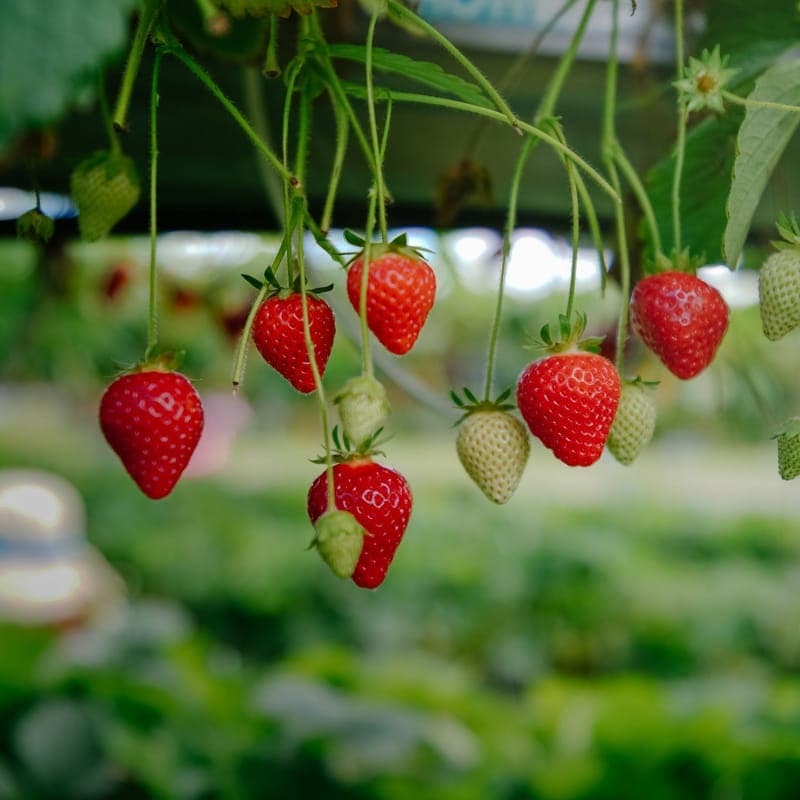 Top pickMin/Max Greenhouse ThermometerRecords the high and low since last reset | Knowing what actually happened overnight | 8.6 | Check price on Amazon |
| 2 | 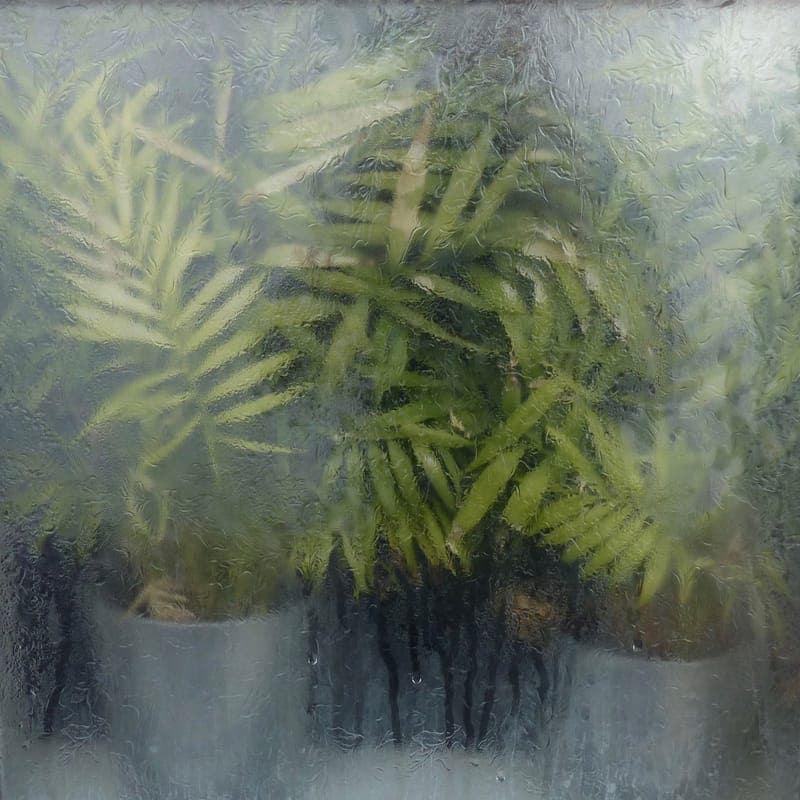 Greenhouse Staging and Shelving UnitTiered staging sized for standard trays | Doubling usable space | 8.2 | Check price on Amazon |
| 3 |  VIVOSUN Seedling Heat MatWaterproof mat sized for 1020 trays | Peppers, tomatoes and slow germinators | 8.8 | Check price on Amazon |
| 4 | 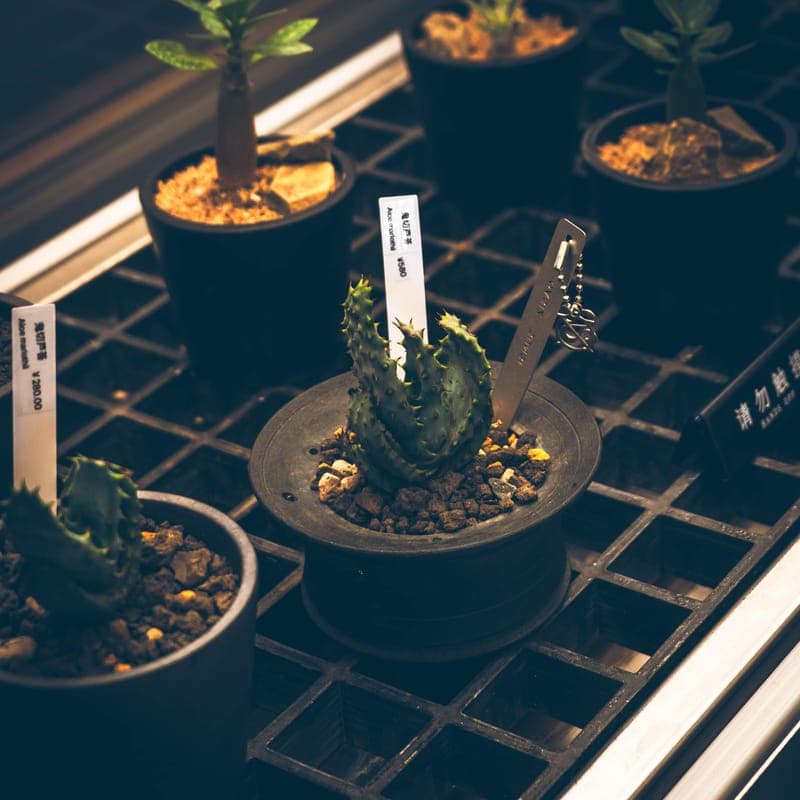 Barrina T5 Full-Spectrum LED Grow LightsLinkable LED strips, full spectrum | Stopping leggy seedlings | 9.0 | Check price on Amazon |
#ad We may earn a commission - prices are shown by Amazon, not by us
Scores are our own editorial judgment, formed from published specifications and independent sources. They are not aggregated customer ratings, and they are not the result of hands-on testing, which we do not currently do. See how we choose.
The three that matter
Automatic vent opener
A wax cylinder that expands as it warms and pushes the roof vent open, then closes as it cools. No power, no wiring, no attention. It prevents the single most common greenhouse disaster -- a sunny day when nobody was home to open the vent.
Extension guidance treats ventilation as a core requirement of hobby greenhouse design rather than an add-on, and this is the cheapest way to meet it reliably.
Min/max thermometer
It records the highest and lowest temperature since you last reset it, so a morning glance tells you what actually happened overnight. Every greenhouse decision -- when to sow, whether fleece is needed, whether the vent is opening early enough -- depends on that number. Hang it at plant height and out of direct sun.
Staging
A greenhouse is measured in shelf area, not floor area. Three tiers of trays in the floor space of one is the difference between a structure that holds a season's seedlings and one that is full by March. Choose slatted or mesh tops so water drains and air moves.
Worth it in specific cases
| Accessory | Buy it if |
|---|---|
| Shade cloth | Your greenhouse faces full afternoon sun in a hot climate |
| Heat mat | You start peppers, eggplants or tomatoes from seed |
| Grow light | You sow before the days are long enough -- light, not heat, is the winter limit |
| Small thermostatic heater | You want frost protection, not growing warmth |
| Water barrels for thermal mass | You want to flatten the day-night swing for free |
| Horticultural fleece | You need a few extra degrees on the coldest nights |
Skip, or at least deprioritize
- Bubble wrap insulation. It cuts light noticeably, and in a structure with thin glazing the light is usually worth more than the marginal warmth.
- Misting systems. Damping down a gravel floor with a hose does the same job for nothing.
- Elaborate propagators. A heat mat under standard trays with a dome does the same work for less.
- Decorative accessories generally. Spend on ventilation, then on staging, before anything else.
For the light side of the equation, see grow lights for seedlings. For running the greenhouse day to day, greenhouse gardening tips.
The picks in full
Top pick
Min/Max Greenhouse Thermometer
Various
#ad We may earn a commission - prices are shown by Amazon, not by us
The cheapest accessory that changes decisions: it tells you the overnight low and the midday high, not the temperature at the moment you happened to look.
Every greenhouse decision -- when to sow, when to vent, whether you need a heater, whether the frost cloth is doing anything -- depends on a number most owners never measure: the overnight low inside the structure.
A min/max thermometer records the high and low since you last reset it, so a morning glance tells you what happened while you slept. That turns guessing into knowing, for the price of a bag of compost.
Hang it at plant height and out of direct sun. A thermometer in a sunbeam reports the sunbeam, not the greenhouse.
What works
- Shows the overnight low, which is the number that kills plants
- Cheap enough to put one in the greenhouse and one in the cold frame
- Tells you whether venting is working
- No installation
What does not
- Reads wrong if hung in direct sun
- Digital versions need a battery
- It measures, it does not fix anything
Skip it if: nothing. If you own a greenhouse and not one of these, you are guessing about the only variable that matters.
| Type | Min/max recording thermometer |
|---|---|
| Reading | Current, plus high and low since reset |
| Mounting | Hangs at plant height, out of direct sun |
| Power | Digital models take a single cell |
Doubling usable space
Greenhouse Staging and Shelving Unit
Various
#ad We may earn a commission - prices are shown by Amazon, not by us
A greenhouse is measured in shelf area, not floor area, and staging is the cheapest way to double what you have.
The first thing most new greenhouse owners discover is that a 6 x 8 footprint is smaller than it looked in the listing. Staging is the fix: three tiers of trays in the floor space of one.
Look for slatted or mesh tops rather than solid ones. Water has to drain and air has to move, or the trays on the shelf become the place fungus gnats and damping-off start.
Plan for the seasonal switch. Staging is right in February and March when the greenhouse is full of seed trays, and comes out in May when tall crops go in and the shelves would only shade them.
What works
- Turns one growing surface into three
- Keeps trays off a cold floor
- Slatted tops let water drain and air move
- Comes down and stores when you switch to tall crops
What does not
- Upper shelves shade the lower ones
- Lightweight units flex under a full tray of wet compost
- Competes for space with in-ground planting
Skip it if: you are growing tall crops to maturity in the ground inside. Staging and mature tomatoes compete for the same light.
| Type | Tiered staging or shelving |
|---|---|
| Sizing | Depths made to take standard 1020 trays |
| Material | Powder-coated steel or aluminum |
| Assembly | Bolt-together or slot-together |
Peppers, tomatoes and slow germinators
VIVOSUN Seedling Heat Mat
VIVOSUN
#ad We may earn a commission - prices are shown by Amazon, not by us
Germination is driven by soil temperature, not air temperature -- and a heat mat is the difference between peppers in ten days and peppers in four weeks.
Seeds respond to the temperature of the medium they are in, not the room. Peppers and eggplants want soil in the 80s Fahrenheit to germinate briskly, and a 68-degree house gives them soil in the low 60s -- which is why they sit there for weeks.
A mat under the tray fixes that. Pair it with a thermostat probe if you can: without one the mat simply runs at its own output, which can be too warm for some seeds and is impossible to tune.
Take the tray off the mat once germination is done. Bottom heat after that encourages soft, stretched growth, and it dries the tray faster than you will remember to water it.
What works
- Dramatically faster germination for warm-season crops
- Waterproof, so spills are not a hazard
- Sized to standard trays
- Cheap to run
What does not
- Without a thermostat it just runs warm, with no target
- Dries trays out faster -- watering needs watching
- Should come off once seedlings are up
Skip it if: you only start cool-season crops. Lettuce, brassicas and peas germinate fine at room temperature and can actually be inhibited by heat.
| Type | Seedling heat mat |
|---|---|
| Sizing | Made to fit one or two standard 1020 trays |
| Construction | Waterproof |
| Thermostat | Sold separately on most models |
Stopping leggy seedlings
Barrina T5 Full-Spectrum LED Grow Lights
Barrina
#ad We may earn a commission - prices are shown by Amazon, not by us
The fix for the most common seed-starting failure. A windowsill grows pale, stretched seedlings; a strip light 3 inches above them does not.
A seedling stretches toward light. On a windowsill in February the light comes from one side and there is not enough of it, so the stem elongates, the plant gets pale and floppy, and it never fully recovers. That is the single most common seed-starting failure and it is entirely a light problem.
LED strips fix it because they can sit 2 to 4 inches above the leaves without cooking them. Distance is what matters more than wattage: the same light at 18 inches does very little.
Run them about 14 to 16 hours a day on a timer and raise them as the seedlings grow. Linkable strips mean a whole shelving rack runs from one outlet.
What works
- Directly fixes stretched, leggy seedlings
- Linkable, so one outlet runs a whole shelf
- Very low heat, so it can sit close to the leaves
- Cheap to run
What does not
- Needs to be within a few inches of the seedlings to work
- Height must be adjusted as plants grow
- White light is unflattering in a living space
Skip it if: you have a genuinely bright greenhouse and are sowing in season. Then you are buying light you already have.
| Type | Linkable LED strip lights |
|---|---|
| Spectrum | Full spectrum, commonly 5000K white |
| Lengths | 1 ft, 2 ft and 4 ft strips |
| Mounting | Clips, hanging kit or double-sided tape |
| Linking | Strips daisy-chain from one outlet |
Common questions
What accessories does a greenhouse need?
An automatic vent opener, a min/max thermometer and staging, in that order. The vent opener prevents overheating when you are not there, the thermometer tells you what actually happened overnight, and staging triples the usable growing area.
How does an automatic greenhouse vent opener work?
A sealed cylinder of wax expands as it warms and pushes the vent open, then contracts and closes it as temperatures fall. It needs no electricity or wiring, which is what makes it practical on a greenhouse at the end of a garden.
Is bubble wrap insulation worth it in a greenhouse?
Usually not. It cuts light transmission noticeably, and in winter -- when light is already the limiting factor for growth -- that usually costs more than the marginal warmth gains. Thermal mass such as water barrels is a better free alternative.
Do I need a heater in my greenhouse?
Only for frost protection, and only if you are trying to carry tender plants through. A small thermostatic heater set just above freezing is the usual approach. Heating an uninsulated structure to growing temperatures through winter is rarely economic for vegetables.
Sources
Factual claims on this page are backed by the published sources below, and product specifications are the manufacturers’ own. Where a figure is not published, we say so rather than estimating it.