Step four of five. A raised bed settles every year and wants topping up. Compost is how you do that without buying it.
Best compost bin
FCMP Outdoor IM4000 Tumbling Composter
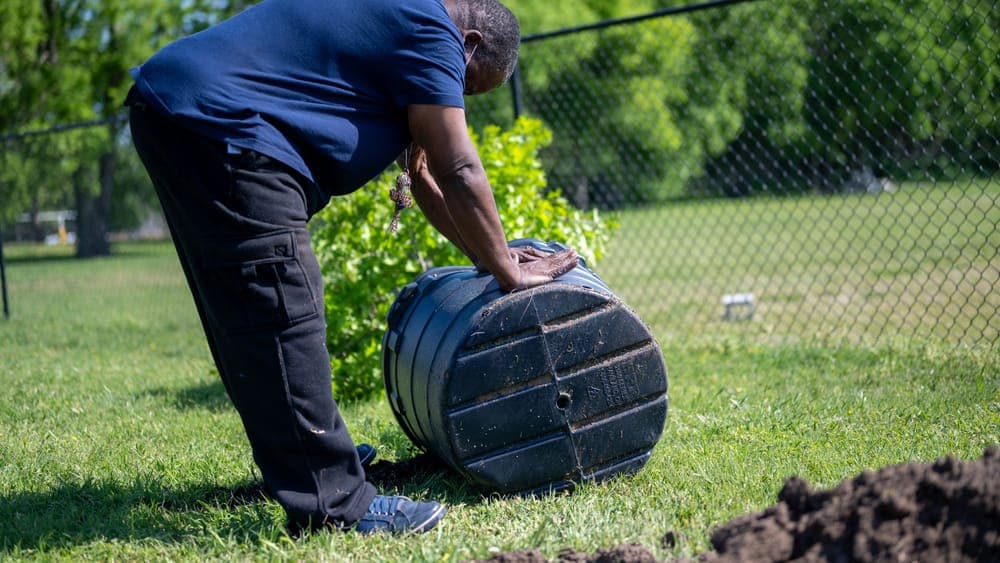
Two chambers is the whole point: you keep adding to one side while the other finishes, so you get a batch out instead of a bin that is never quite ready.
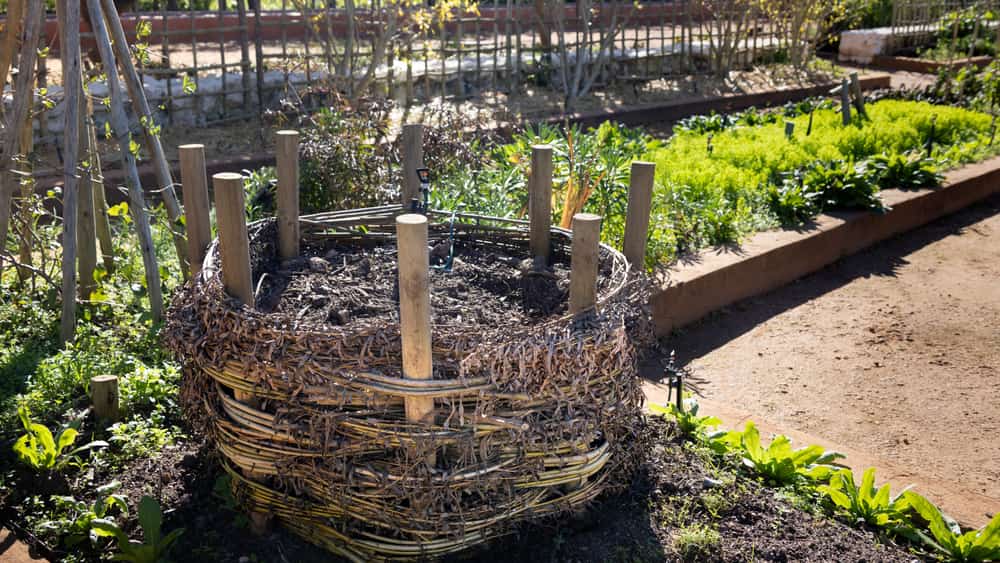
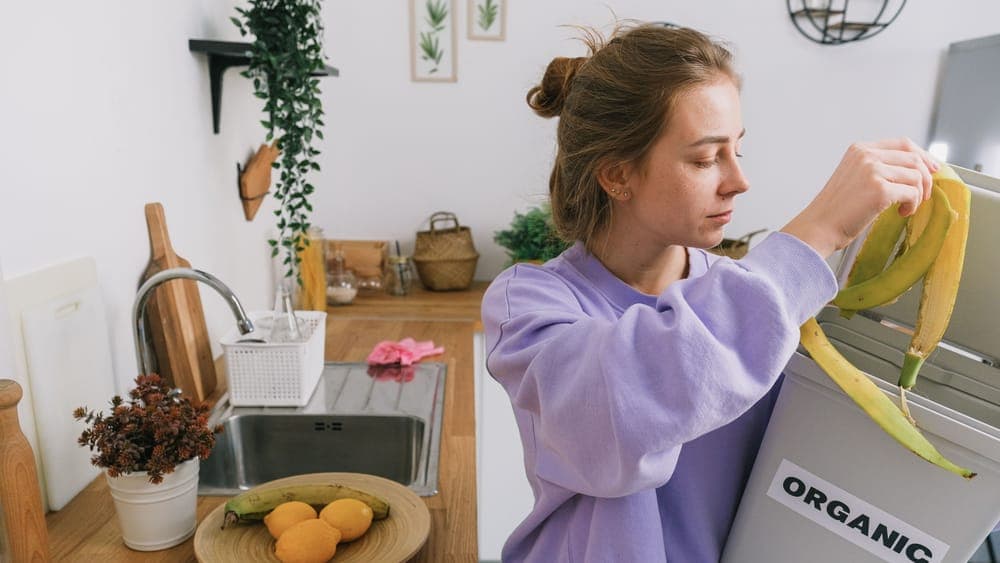
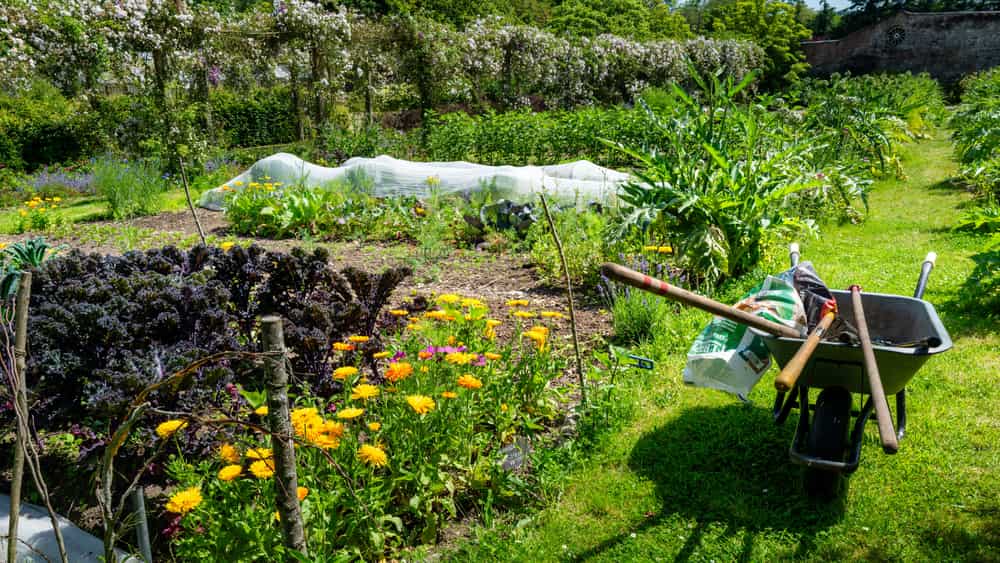
Composting is the step that turns a garden from a series of purchases into a loop. A raised bed settles a few inches every year as organic matter breaks down, and it wants topping up each spring. You can buy that material forever, or you can make it out of what you were already throwing away.
The reason most first attempts stall is not technique. It is choosing a system that does not match the waste you actually produce. A kitchen-scraps household and a household with a big lawn and mature trees need genuinely different equipment.
Grinds and dries scraps in hours -- pre-compost, not finished compost
The only rule that really matters
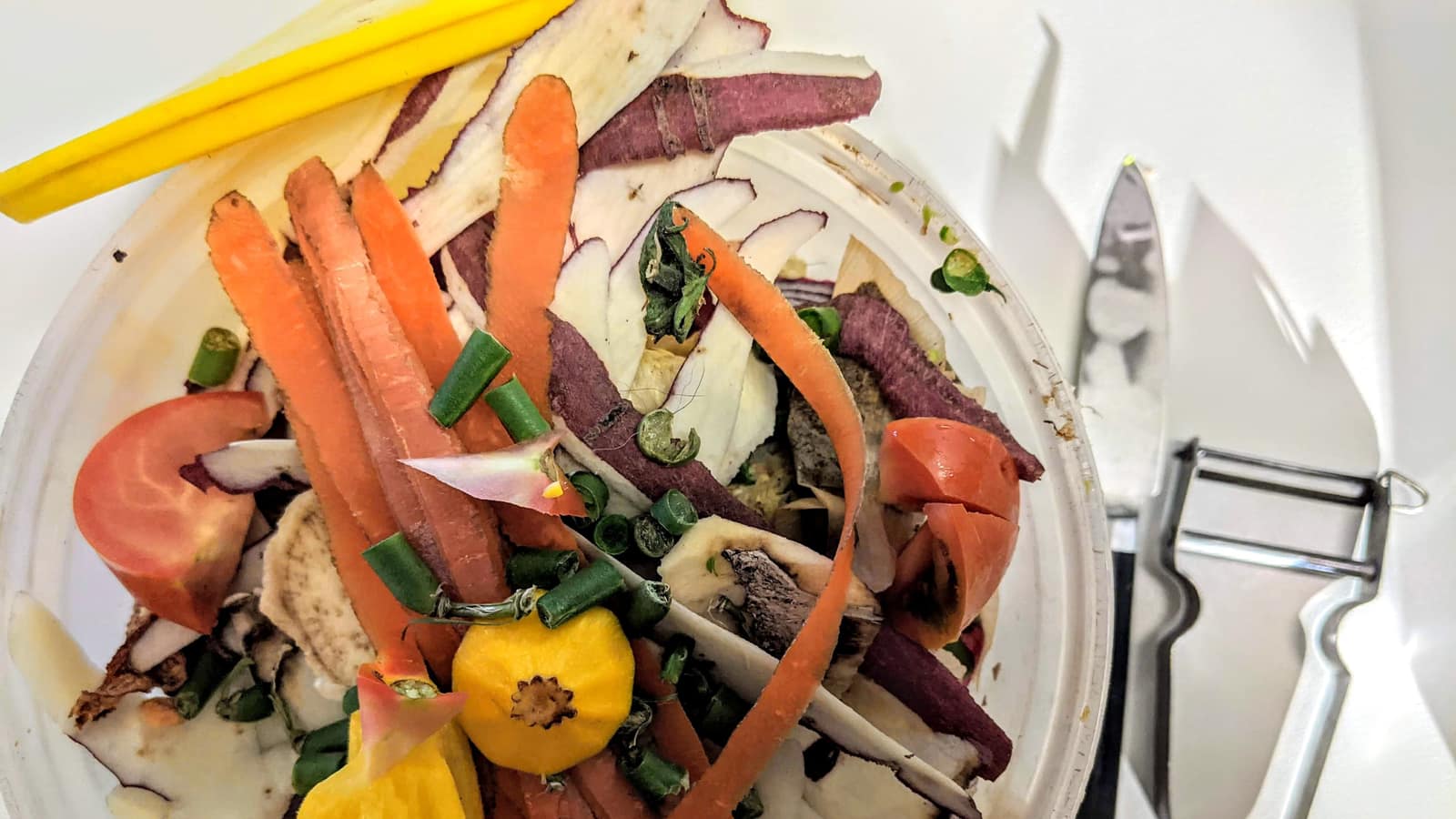
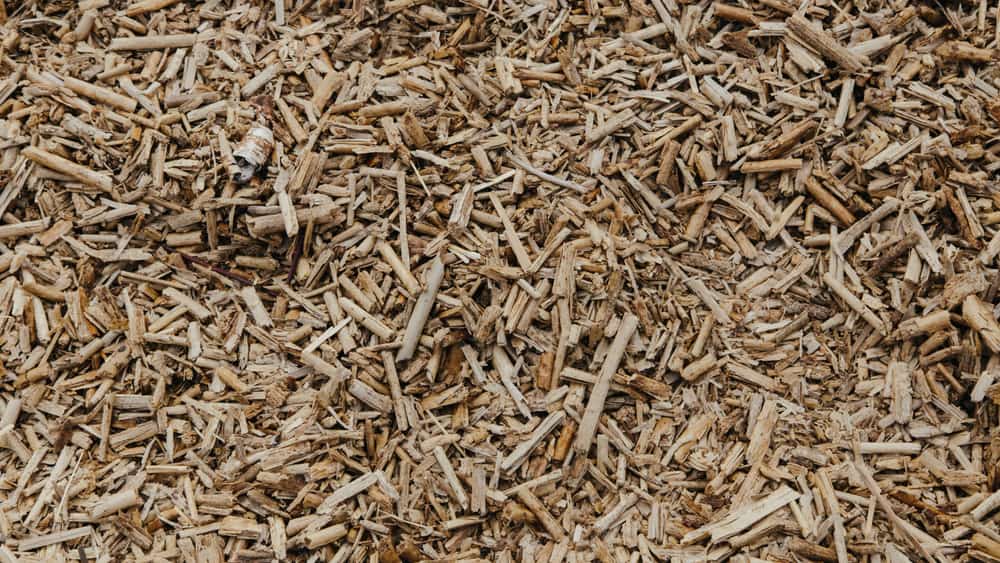
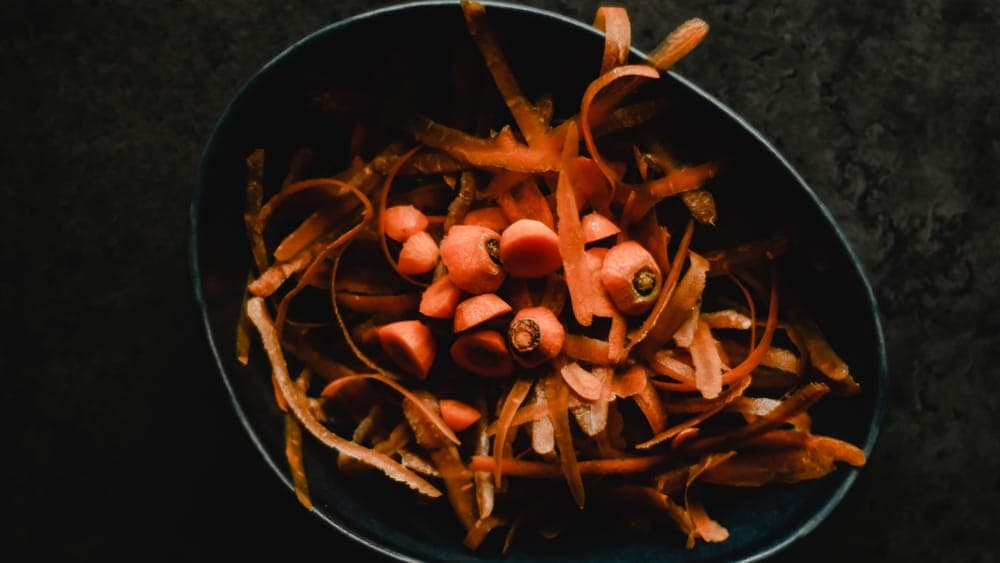
Composting is a ratio problem. Greens -- kitchen scraps, grass clippings, coffee grounds -- are nitrogen-rich and wet. Browns -- dry leaves, cardboard, straw, shredded paper -- are carbon-rich and dry. A pile that is mostly greens goes slimy and sour. A pile that is mostly browns just sits there.
Aim for roughly two to three parts browns to one part greens by volume, and keep the whole thing about as damp as a wrung-out sponge. If it smells bad, add browns and turn it. If nothing is happening, add greens and water. That is genuinely most of the skill.
What not to put in
Home compost piles do not get hot enough, for long enough, to deal with meat, fish, dairy, oils or cooked food. Those attract rodents and go rancid. Leave them out of any open or static bin. A sealed tumbler is more forgiving, but the advice still holds for anything greasy.
Also leave out pet waste from cats and dogs, diseased plant material, and weeds that have gone to seed unless your pile genuinely heats -- most home piles do not, and you will be planting those weeds back into your bed next spring. The full list is in what to put in a compost bin.
How long it takes
An actively turned tumbler with a good ratio can produce usable compost in a few weeks in warm weather. A static bin you never turn takes six months to a year. A worm bin produces castings continuously once established, at a slower rate but higher quality. None of these is wrong -- they are different amounts of effort for different amounts of speed.
How much a bed actually needs
One to two inches across the surface of each bed, once a year in spring. On a 4 x 8 ft bed an inch is about 2.7 cubic feet and two inches is about 5.3 -- so a household with two beds needs somewhere around 10 cubic feet a year.
That is a useful number because it sets the size of the system you need. A dual-chamber tumbler producing a couple of batches over a warm season covers two beds comfortably. It also explains why a tumbler alone will not keep up if you are also trying to process a lawn's clippings and a tree's worth of autumn leaves -- that is a volume problem, and it wants an open bin.
Where to put the bin
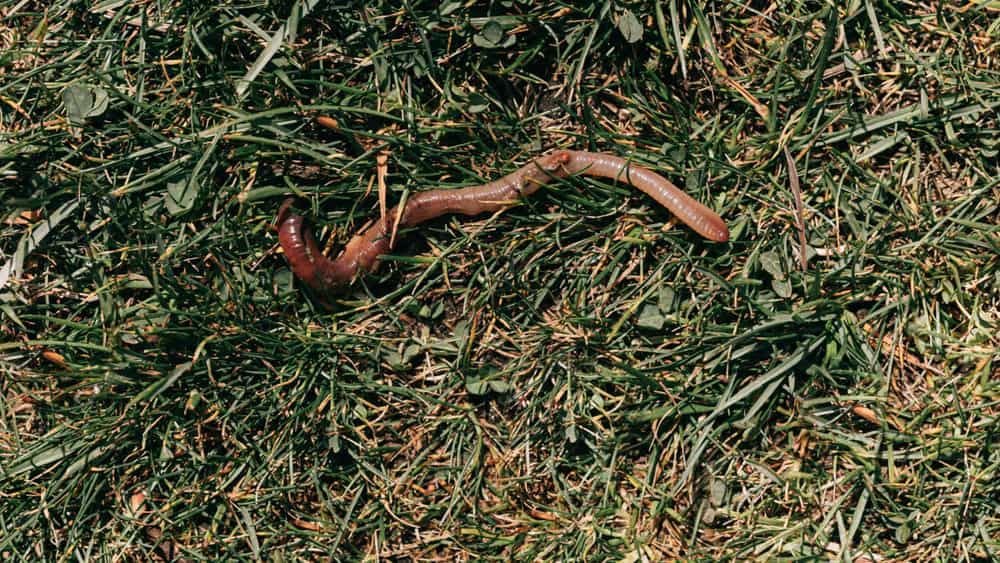
On soil rather than paving, where possible. Ground contact lets worms and soil organisms move into the pile, which speeds everything up considerably.
In partial shade. Full sun dries a pile out; deep shade keeps it cold and wet.
Level and reachable in bad weather. You will visit it with a bucket in the rain, and later with a wheelbarrow.
Not tight against the house, and not under a window. Any bin gets opened on a warm day.
Within wheelbarrow distance of the beds, because that is where the finished compost is going.
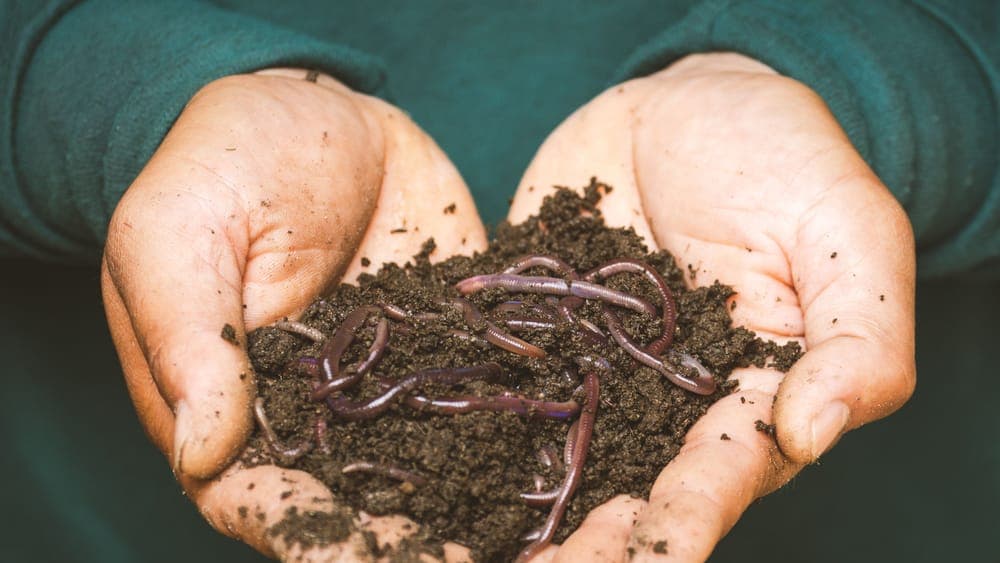
Red wigglers versus garden worms, starting quantities, feeding, and keeping them alive.
Common questions
What is the ratio of greens to browns in compost?+
Roughly two to three parts browns to one part greens by volume. Browns are dry carbon-rich material -- leaves, cardboard, straw. Greens are wet nitrogen-rich material -- kitchen scraps, grass clippings, coffee grounds. A smelly pile needs more browns; a pile that is doing nothing needs more greens and water.
Why does my compost bin smell bad?+
Almost always too many greens and not enough air. Wet, nitrogen-rich material packs down, oxygen runs out, and anaerobic bacteria take over -- that is the sour smell. Add a generous amount of dry browns, mix or turn thoroughly, and it usually recovers within a few days.
Can I compost in winter?+
An outdoor pile slows dramatically or stops when it gets cold, but it does not spoil -- it restarts in spring. If you want year-round composting, a worm bin kept indoors keeps working at room temperature, which is the main reason people run one alongside an outdoor bin.
How do I know when compost is ready?+
Finished compost is dark, crumbly, and smells of earth rather than of the things you put in. You should not be able to identify the original ingredients apart from the odd twig or eggshell. If it still smells sour or you can recognize food in it, give it longer.
Not sure this is the right step for you yet? Start here walks the whole sequence in order, from the first bed to the last pane of glass.