The whole sequence, in order
Start Here: The Buying Order for a First Food Garden
Five purchases, in the order that makes each one work. Most people buy them in a different order and spend more for less food.
Janet H. - the hands-on owner behind Janet Media Group.
Published - last updated
This page contains affiliate links. If you buy through them we may earn a commission at no cost to you, and it never decides what we recommend. How this site is funded.
Almost every first-garden problem is a sequencing problem. Someone buys three beds and cannot afford to fill them. Someone fills a bed with bagged potting soil and spends more on the fill than on the bed. Someone buys a greenhouse before they own a bed to plant out into.
The order below fixes that. Each step makes the next one cheaper or easier, and you can stop at any point and still have a working garden. Steps one and two are the only ones you genuinely need in year one.
The order, at a glance
| Step | What you buy | Why it comes here | Skip it if |
|---|---|---|---|
| 1. Bed | A raised bed kit | It decides depth, soil volume and what you can grow | Your existing soil is genuinely good |
| 2. Soil | Fill, in layers | The bed is a container; this is the part that grows food | Never -- this is the one step you cannot skip |
| 3. Seeds | Transplants, or seed-starting gear | Cheaper than transplants and far more variety | It is your first year -- buy transplants instead |
| 4. Compost | A compost bin | The bed settles every year and wants topping up, forever | You have nowhere to put it at all |
| 5. Greenhouse | A greenhouse or cold frame | Extends the season at both ends | A cold frame would do the jobs you actually want |
Step 1 of 5
Raised Beds
Step one of five. The bed decides everything after it: how much soil you buy, what you can grow, and how long the whole thing lasts.
Metal, cedar and elevated kits compared, with the depth and footprint that suit a first food garden.
Bought the bed? The next bill is the soil, and it is usually bigger. Work out exactly how many cubic feet your footprint needs before you go shopping.
Everything about raised beds - or go straight to the best raised bed kits for a first vegetable garden.
Step 2 of 5
Soil & Fill
Step two of five. A bed is just a container; the soil is the part that grows food. This is also where first-time budgets go wrong.
The soil math, the layered fill that keeps the cost sane, and which bagged mixes are worth buying.
Bed filled? Now decide whether you are buying transplants or starting your own seeds -- which is where the real variety, and the real savings, are.
Everything about soil & fill - or go straight to the best soil for raised garden beds.
Step 3 of 5
Seed Starting
Step three of five. Buying transplants is fine. Starting your own costs a fraction as much and opens up varieties no garden center stocks.
Mix, trays, light and bottom heat -- the four things that decide whether a tray of seedlings works.
Seedlings in? Start a compost bin now and by the time the bed needs topping up next spring, the material will be ready and free.
Everything about seed starting - or go straight to the best seed starting kits.
Step 4 of 5
Composting
Step four of five. A raised bed settles every year and wants topping up. Compost is how you do that without buying it.
Tumblers, static bins, worm farms and kitchen caddies -- matched to the space and waste you actually have.
With the bed, the soil and the compost loop sorted, the last purchase that meaningfully increases what you grow is a greenhouse or a cold frame.
Everything about composting - or go straight to the best compost bins.
Step 5 of 5
Greenhouses
Step five of five. The last purchase that genuinely increases what you grow -- and the one most likely to be bigger than you need.
Kits sized for backyards, glazing matched to climate, and the cold frames that do most of the job for far less.
That is the sequence. If you arrived here first, the start-here guide walks the whole thing in order, from the first bed to the last pane.
Everything about greenhouses - or go straight to the best greenhouse kits.
What a realistic first year looks like
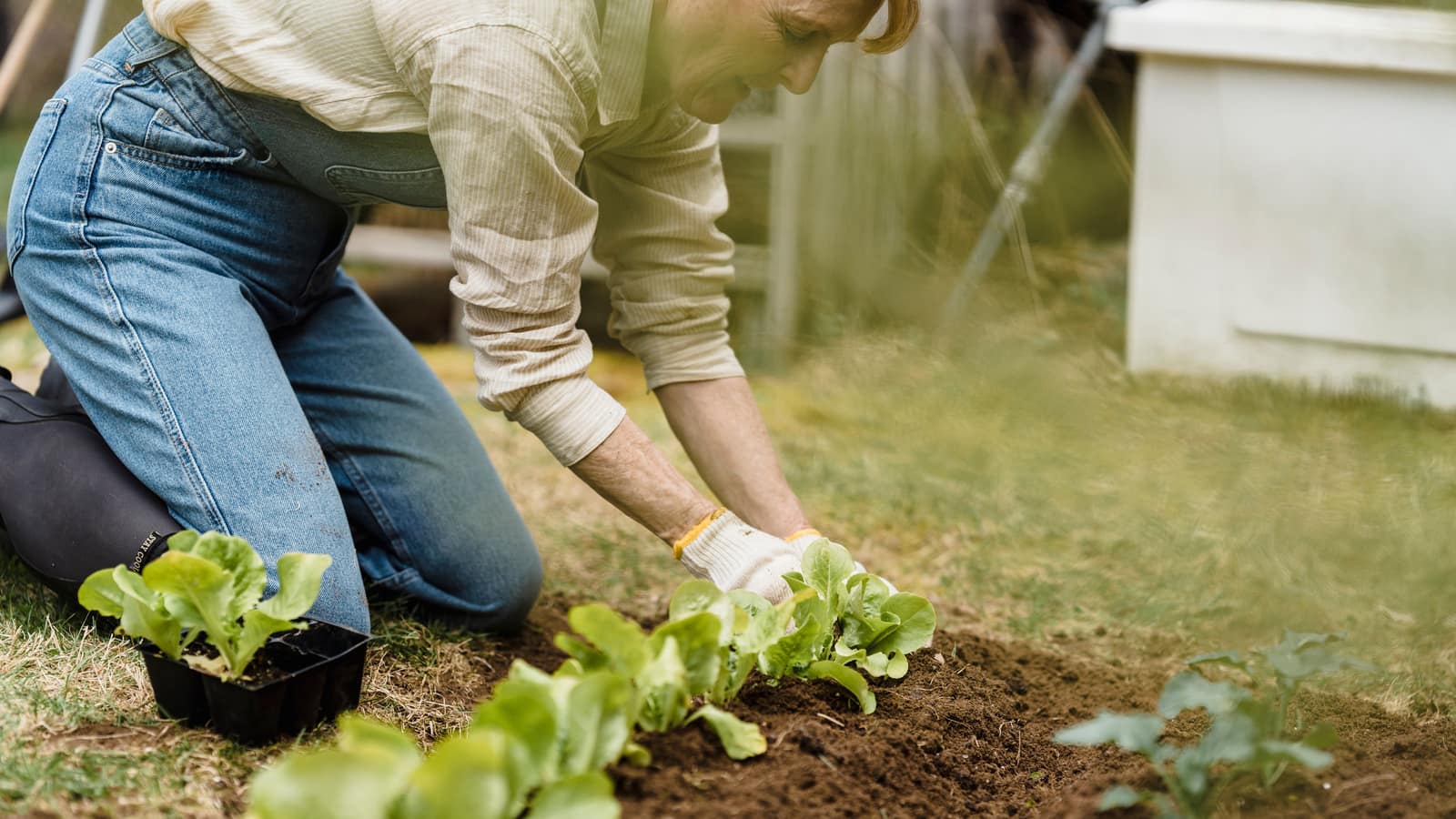
One 4 x 8 ft bed at 12 to 17 inches deep, in the sunniest spot you have. Filled in layers, with good growing mix in the top foot. Planted with transplants of things that are hard to fail at and expensive to buy: bush beans, lettuce, chard, zucchini, radishes, and one or two tomato plants. Mulched. Watered deeply twice a week.
That is a garden that produces food, and it costs a fraction of the setup most people imagine. Add a compost bin in the first summer so the material is ready when the bed settles next spring, and consider a cold frame before you consider a greenhouse.
Everything past that is refinement. Start with the bed, then work out the fill.
Common questions
What do I need to start a vegetable garden?
A bed in a spot with six hours of sun, enough soil to fill it properly, and plants or seeds. Everything else -- compost bin, greenhouse, seed-starting gear -- is an upgrade you add later. Buying in that order avoids the most common first-year mistake, which is spreading a budget too thin to fill anything properly.
How much does it cost to start a raised bed garden?
Budget in two parts: the bed kit, and the fill. The fill is usually the larger number and it is the one people forget -- a 4 x 8 ft bed at 12 inches takes about 32 cubic feet. Filling the bottom of a deep bed with free material cuts that substantially.
Should I buy plants or start from seed in my first year?
Buy transplants in year one. Starting seeds well needs a grow light, a heat mat for warm-season crops and the right timing, and learning that at the same time as learning your garden is a lot. Try seeds in year two, when you know the site.
Do I need a greenhouse for a vegetable garden?
No. A greenhouse is step five for a reason -- it extends the season and helps heat-loving crops, but it does nothing the first four steps have not already done for you. A cold frame does most of the same jobs for a fraction of the cost.
What is the biggest mistake first-time gardeners make?
Building more beds than they can fill. Three half-filled beds of poor soil produce less than one properly filled one, and they are three times as discouraging by July. Build one bed, fill it well, and add beds once you know you will use them.