Step 5 - Greenhouses
The Best Small Greenhouse Kits
At small sizes a greenhouse is measured in shelf area, not floor area. That changes what you should buy.
Janet H. - the hands-on owner behind Janet Media Group.
Published - last updated
This page contains affiliate links. If you buy through them we may earn a commission at no cost to you, and it never decides what we recommend. How this site is funded.
In a small greenhouse, buy staging on day one. Three tiers of shelves in the floor space of one is the only way a 6 x 6 footprint holds a useful number of seed trays, and it is the difference between a structure that earns its space and one that is full by March.
Quick picks
| # | Product | Best for | Score | Price |
|---|---|---|---|---|
| 1 |  Top pickPalram Canopia Mythos GreenhouseAluminum frame, 4 mm twin-wall polycarbonate | A first real greenhouse | 9.0 | Check price on Amazon |
| 2 | 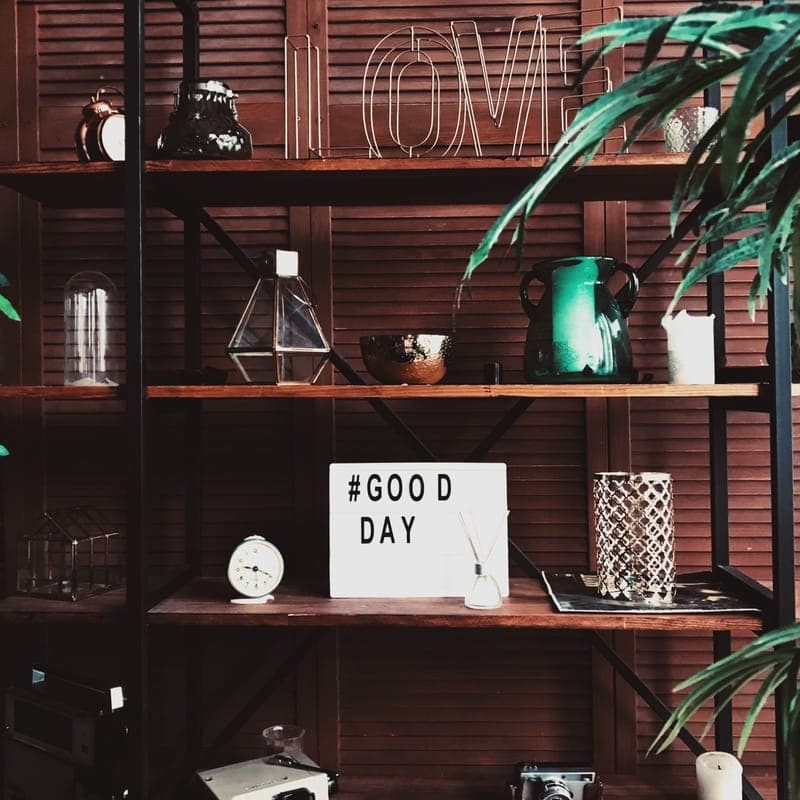 Ohuhu Mini Greenhouse with Shelves4-tier shelf frame with zip cover | Balconies and seedling trays | 7.5 | Check price on Amazon |
| 3 |  Quictent Portable Walk-In GreenhouseSteel tube frame with reinforced PE cover | The cheapest usable start | 7.8 | Check price on Amazon |
| 4 |  Greenhouse Staging and Shelving UnitTiered staging sized for standard trays | Doubling usable space | 8.2 | Check price on Amazon |
| 5 |  VIVOSUN Cold Frame Mini GreenhouseLow-profile frame with hinged clear lid | Extending the season over a bed | 8.0 | Check price on Amazon |
#ad We may earn a commission - prices are shown by Amazon, not by us
Scores are our own editorial judgment, formed from published specifications and independent sources. They are not aggregated customer ratings, and they are not the result of hands-on testing, which we do not currently do. See how we choose.
What a small greenhouse actually holds
| Size | Floor area | With three-tier staging down one side |
|---|---|---|
| Mini shelf unit | Under 1 sq ft of ground | 4 to 8 standard trays |
| 4 x 6 ft | 24 sq ft | Roughly 18 to 24 trays, or trays plus a few pots |
| 6 x 6 ft | 36 sq ft | Trays down one side, working space and tall crops on the other |
| 6 x 8 ft | 48 sq ft | Staging one side, three or four mature plants the other |
Those numbers assume you use the vertical space. Without staging, a 6 x 6 greenhouse is a shed you can see through.
The seasonal switch
Small greenhouses work best when the layout changes through the year. In February and March, fill them with staging and seed trays. In May, take the staging down on one side and plant tall crops -- tomatoes, cucumbers -- where they will not be shaded by shelves.
Trying to do both at once is what makes a small greenhouse frustrating: staging shades the crops, and crops crowd the trays.
Small structures overheat faster
Less air volume means less thermal buffer, so a small greenhouse heats and cools faster than a large one. That makes ventilation more critical, not less, and it makes an automatic vent opener close to essential -- a small structure can go from comfortable to lethal in an hour of spring sun.
It also cools faster overnight, which limits what a small unheated greenhouse holds through a cold snap.
Mini shelf greenhouses
The zip-cover shelf units are not greenhouses in any meaningful sense -- they are covered shelving for seed trays. For a balcony, or for hardening off, they do a real job cheaply. They also blow over readily, so tie them to a wall or a rail.
If the goal is hardening off and a few extra weeks at each end of the season, compare them honestly against a cold frame, which is sturdier and holds heat better for similar money.
For sizing guidance generally, see what size greenhouse do I need. For what to put in it, what to grow in a greenhouse.
The picks in full
Top pick
Palram Canopia Mythos Greenhouse
Palram Canopia
#ad We may earn a commission - prices are shown by Amazon, not by us
The sensible first greenhouse: an aluminum frame with twin-wall panels, sized to fit a normal backyard rather than a nursery.
Twin-wall polycarbonate is the thing that separates a greenhouse from a plastic tent. Two skins with an air gap between them insulate, and the panel diffuses light rather than throwing hard shadows, which suits seedlings better than clear glass does.
The Mythos sits at the point in the range where you get a proper aluminum frame, a roof vent and a lockable door without paying for the heavy-duty glazing. For starting seeds, hardening off, and stretching the tomato season at both ends, that is the right specification.
Two warnings from the manual that people ignore. Anchor it -- every lightweight greenhouse that ends up in a neighbor's yard was not anchored. And build it with a second person; the panels flex and the frame is not square until the last bolt.
What works
- Twin-wall panels diffuse light and insulate better than single-skin plastic
- Aluminum frame will not rust or need painting
- Lengths let you match the run to the space you have
- Roof vent included rather than sold as an extra
What does not
- 4 mm glazing is thin for real winter use
- Assembly is a long afternoon and genuinely needs two people
- Must be anchored -- an unanchored kit is a sail
Skip it if: you live somewhere with heavy snow load. 4 mm panels are a three-season specification; the thicker-glazed models exist for a reason.
| Frame | Rust-resistant aluminum |
|---|---|
| Glazing | 4 mm twin-wall polycarbonate |
| Sizes | 6 ft wide, several lengths including 6 x 8 and 6 x 10 |
| Ventilation | Roof vent, lockable door handle |
| Base | Integrated base rail, anchoring required |
Balconies and seedling trays
Ohuhu Mini Greenhouse with Shelves
Ohuhu
#ad We may earn a commission - prices are shown by Amazon, not by us
A shelved cover for seed trays rather than a greenhouse you walk into, and the right answer where there is no room for anything larger.
Calling this a greenhouse oversells it, which is why it disappoints people who expected one. What it actually is: a shelf unit with a cover, sized for standard seed trays, that fits on a balcony or against a wall.
For that job it is good. Seedlings started indoors need somewhere sheltered to harden off, and this gives them a few protected degrees and shelter from wind and heavy rain.
Tie it to something. An empty covered shelf unit is remarkably light and catches wind like a sail.
What works
- Holds several seed trays in almost no floor space
- Cheap enough to be a seasonal purchase
- Zip front rolls up for ventilation
- Folds flat for storage
What does not
- Blows over easily unless tied to something solid
- Very little thermal mass -- it buys a few degrees, not many
- Cover is the first thing to fail
Skip it if: you want to grow plants to maturity. This is a propagation space and a frost blanket, not a growing house.
| Frame | Steel tube shelving |
|---|---|
| Cover | Zip-front PE cover |
| Shelves | Typically 4 tiers |
| Footprint | Fits against a wall or balcony rail |
| Anchoring | Tie to a wall or rail -- essential |
The cheapest usable start
Quictent Portable Walk-In Greenhouse
Quictent
#ad We may earn a commission - prices are shown by Amazon, not by us
A tunnel, not a building -- but the cheapest way to find out whether you will actually use a greenhouse before spending real money.
This is the honest entry point. A lot of people buy a greenhouse and discover they do not have the habit to use one, and finding that out cheaply is worth something.
It does real work in spring: hardening off seedlings, protecting young plants from a late frost, and giving you somewhere dry to pot up. Those are the jobs a first greenhouse actually does.
Treat the cover as a consumable and stake it properly. Every bad review of a tunnel greenhouse is a wind story, and almost all of them start with skipped guy ropes.
What works
- A fraction of the cost of a rigid kit
- Goes up in an hour with no special tools
- Packs away out of season
- Mesh windows give usable ventilation
What does not
- The cover degrades in UV and is a replaceable part
- Poor in wind unless properly staked and guyed
- Not a snow-load structure
Skip it if: you are in a windy or snowy spot. A covered frame is not a structure, and covers are a consumable.
| Frame | Powder-coated steel tube |
|---|---|
| Cover | Reinforced PE with mesh windows |
| Sizes | Several walk-in footprints |
| Ventilation | Roll-up door and mesh side windows |
| Anchoring | Ground stakes and guy ropes supplied |
Doubling usable space
Greenhouse Staging and Shelving Unit
Various
#ad We may earn a commission - prices are shown by Amazon, not by us
A greenhouse is measured in shelf area, not floor area, and staging is the cheapest way to double what you have.
The first thing most new greenhouse owners discover is that a 6 x 8 footprint is smaller than it looked in the listing. Staging is the fix: three tiers of trays in the floor space of one.
Look for slatted or mesh tops rather than solid ones. Water has to drain and air has to move, or the trays on the shelf become the place fungus gnats and damping-off start.
Plan for the seasonal switch. Staging is right in February and March when the greenhouse is full of seed trays, and comes out in May when tall crops go in and the shelves would only shade them.
What works
- Turns one growing surface into three
- Keeps trays off a cold floor
- Slatted tops let water drain and air move
- Comes down and stores when you switch to tall crops
What does not
- Upper shelves shade the lower ones
- Lightweight units flex under a full tray of wet compost
- Competes for space with in-ground planting
Skip it if: you are growing tall crops to maturity in the ground inside. Staging and mature tomatoes compete for the same light.
| Type | Tiered staging or shelving |
|---|---|
| Sizing | Depths made to take standard 1020 trays |
| Material | Powder-coated steel or aluminum |
| Assembly | Bolt-together or slot-together |
Extending the season over a bed
VIVOSUN Cold Frame Mini Greenhouse
VIVOSUN
#ad We may earn a commission - prices are shown by Amazon, not by us
A lid for a corner of a raised bed: no assembly worth the name, and the cheapest few weeks of extra season you can buy.
A cold frame is the least glamorous and most cost-effective piece of season-extending equipment in the garden. It is a box with a transparent lid: sunlight in, wind off, a few degrees of overnight protection.
Used over the corner of a raised bed it will carry spinach, mache, and hardy lettuces through a cold spell, harden off seedlings before they go out, and start spring sowings a couple of weeks early.
The one discipline it demands is venting. A closed frame on a sunny March day can cook its contents by lunchtime. Prop the lid in the morning, close it in the late afternoon.
What works
- Cheapest real season extension there is
- Works over an existing raised bed with no site prep
- Good for hardening off and for overwintering hardy greens
- Stores flat out of season
What does not
- Overheats fast on a sunny day if you forget to vent it
- Small growing area
- No standing room at all
Skip it if: you need headroom. A cold frame is worked from above, kneeling, with the lid propped open.
| Type | Low cold frame with hinged lid |
|---|---|
| Glazing | Clear panel lid |
| Ventilation | Lid props open -- manual, and it matters |
| Footprint | Sits on a bed or on the ground |
| Assembly | Minimal |
Common questions
What is the smallest useful greenhouse size?
A 6 x 6 ft kit is the smallest size most people find genuinely useful for both seed starting and growing crops to maturity. Below that you are buying a propagation space rather than a greenhouse, which a cold frame does more cheaply and more robustly.
Are mini greenhouses with shelves any good?
For holding seed trays on a balcony and for hardening off, yes. They are covered shelving rather than greenhouses -- very little thermal mass and a cover that is the first thing to fail. Tie them to a wall or rail, because empty ones blow over easily.
Do small greenhouses overheat?
Faster than large ones, because less air volume means less thermal buffer. A small structure can go from comfortable to dangerous within an hour of spring sun, which makes ventilation more critical and an automatic vent opener close to essential.
How many seed trays fit in a 6x6 greenhouse?
With three-tier staging down one side, roughly 18 to 24 standard 1020 trays, leaving the other side for working space or tall crops. Without staging the same greenhouse holds a fraction of that -- vertical space is what makes small kits work.
Sources
Factual claims on this page are backed by the published sources below, and product specifications are the manufacturers’ own. Where a figure is not published, we say so rather than estimating it.