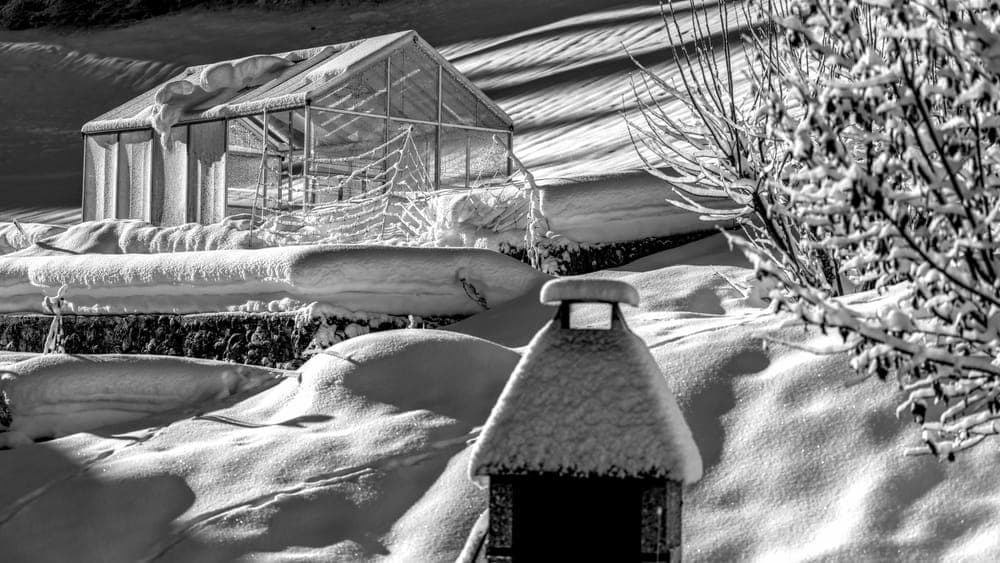
A greenhouse does three specific things: it starts your season earlier, it ends it later, and it gives heat-loving crops the conditions they want in a climate that does not naturally provide them. What it does not do, unheated, is make winter go away. A greenhouse with no heat source runs a few degrees above outside -- enough to keep hardy greens alive, not enough to grow tomatoes in January.
Being clear about that up front is the difference between a kit that earns its space and an expensive shed full of dead plants in February.
Greenhouse glazing compared| Glazing | Light | Insulation | Best for |
|---|
| 4 mm twin-wall polycarbonate | Diffused, good | Moderate | Three-season use, seed starting, mild climates |
|---|
| 10 mm twin-wall polycarbonate | Diffused, slightly less | Much better | Cold climates, snow load, winter growing |
|---|
| Clear single-skin polycarbonate | Highest | Lowest | Northern light-limited gardens, with shading in summer |
|---|
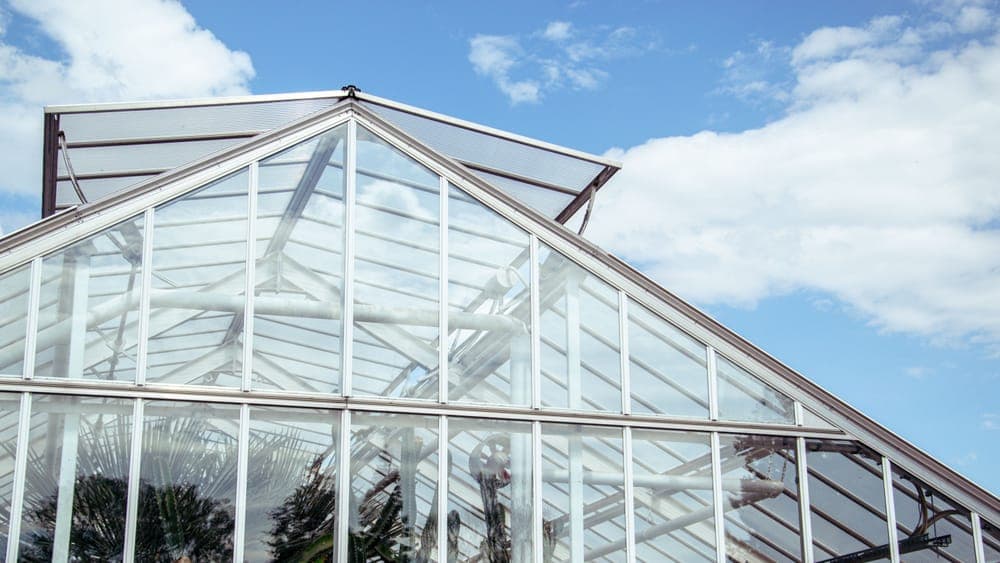
| Glass | Highest, undiffused | Poor unless double-glazed | Looks, longevity, sheltered sites |
|---|
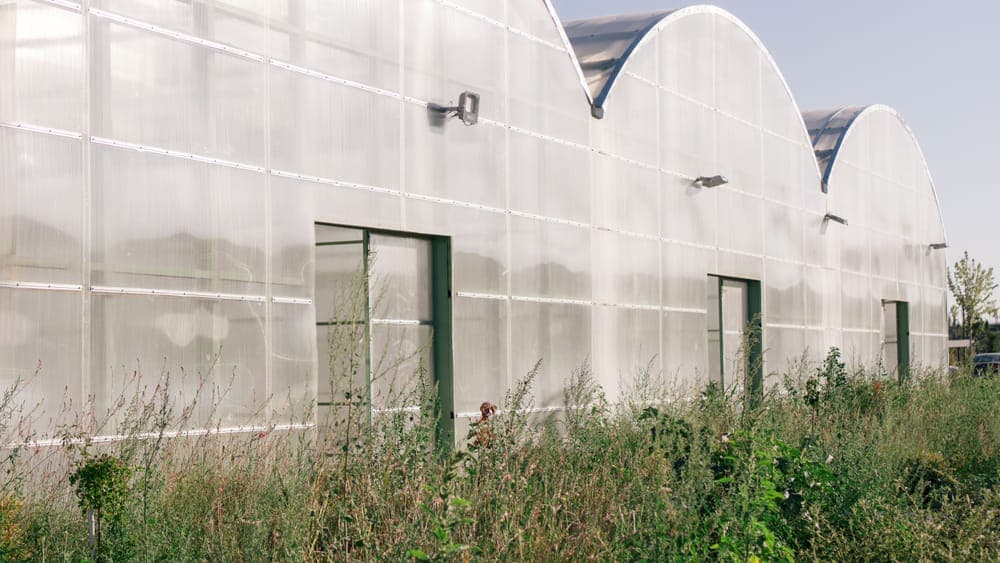
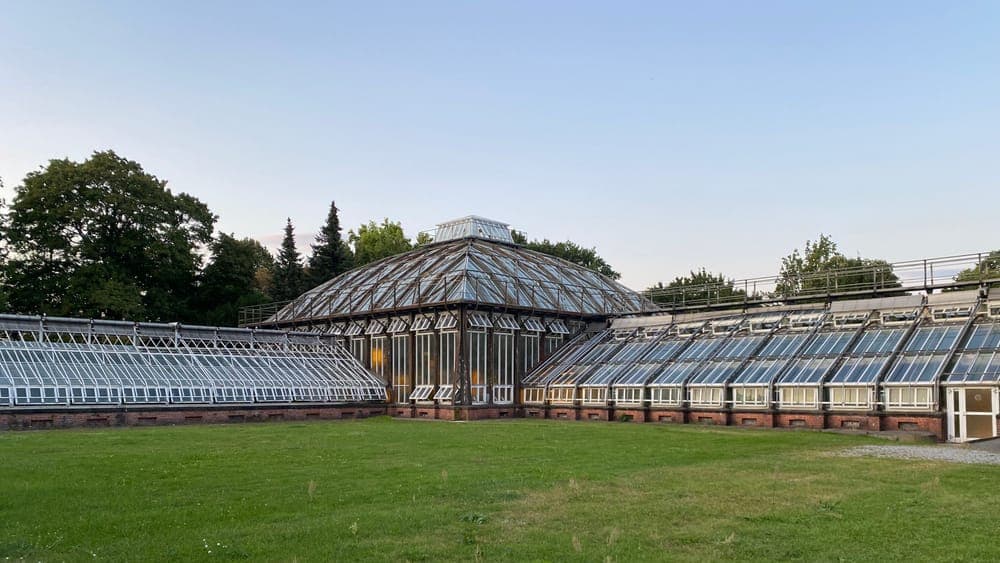
Twin-wall polycarbonate is the sensible default for a first greenhouse. Two skins with an air gap insulate, the panel diffuses light so seedlings do not scorch, and unlike glass it does not shatter when a branch comes down. The thickness choice is essentially a climate choice -- see polycarbonate vs glass.
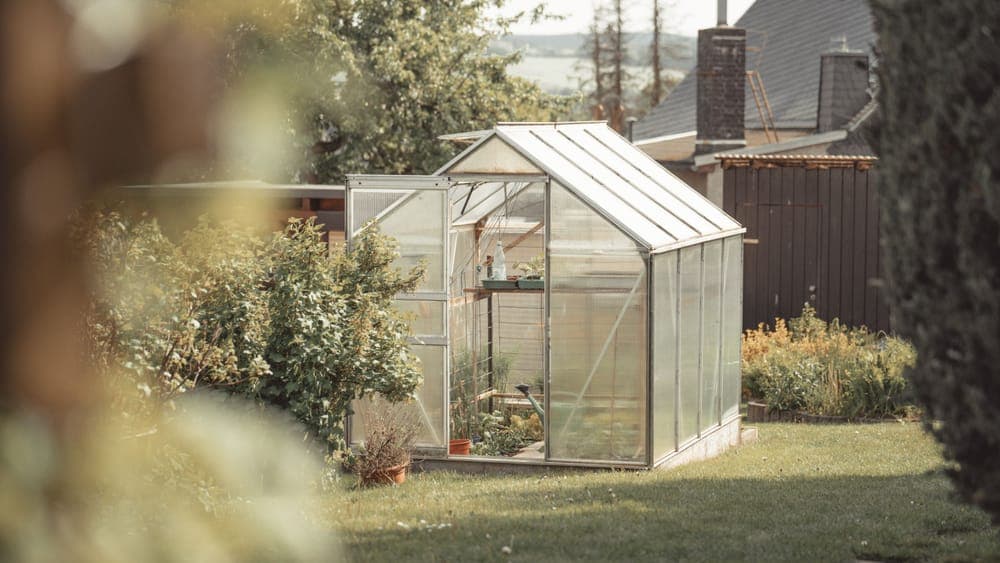
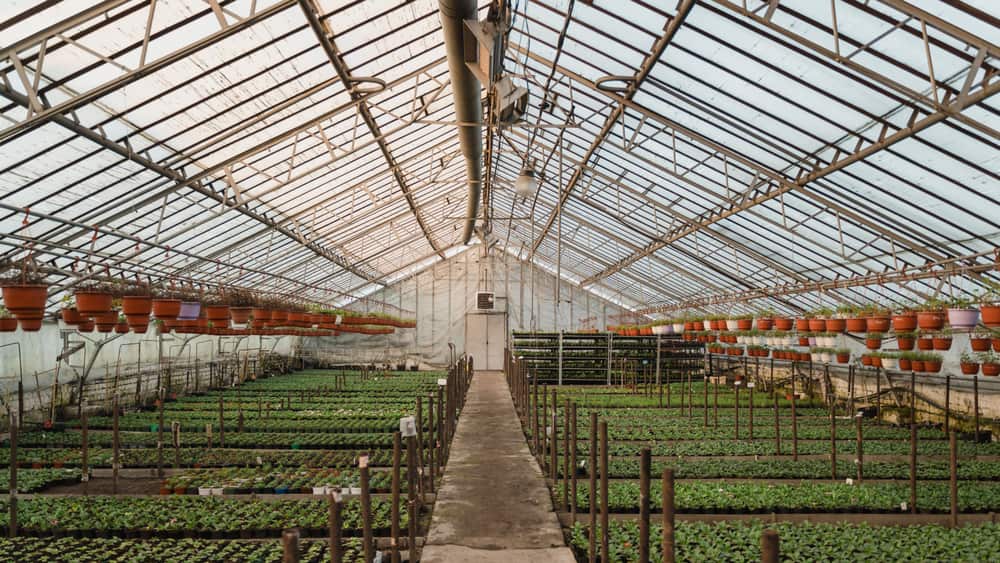
The most common regret in this category is buying too small. A 6 x 8 footprint sounds generous and fills up with seed trays in a single March. Staging helps -- a greenhouse is measured in shelf area, not floor area -- but if you are choosing between two sizes and can fit the larger, take it.
Siting matters just as much. You want the maximum winter sun, which means an open southern aspect and away from the shadow of the house and any deciduous tree that will leaf out in May. You also want it anchored: every story about a greenhouse ending up in a neighbor's yard starts with a kit that was not bolted down. What size greenhouse do I need works through the sizing properly.
If the jobs you want done are hardening off seedlings, starting spring sowings a few weeks early, and carrying hardy greens through a cold spell, a cold frame does all three for a small fraction of the cost. It is a box with a clear lid that sits on a bed. It has no standing room and no heat, and for many first gardens that is genuinely enough.
The case for a full greenhouse is when you want to stand up in it, work in it in bad weather, and grow crops to maturity under cover. Those are real benefits; they are just not the same benefits.
A sealed greenhouse on a sunny spring day can reach temperatures that cook seedlings by lunchtime. Every kit worth buying has at least a roof vent, and an automatic vent opener -- a wax cylinder that expands with heat and needs no power -- is the accessory that prevents the single most common greenhouse disaster.
Alongside it, hang a min/max thermometer at plant height. Knowing the actual overnight low inside the structure is what turns greenhouse decisions from guesswork into planning.
This is the thing most first-time owners have backwards. People assume a greenhouse fails in winter because it gets cold, and reach for a heater. In midwinter the binding constraint is day length: even a warm greenhouse grows almost nothing when there are eight hours of weak daylight, because there is not enough light to drive growth.
Which is why the realistic winter model is harvesting rather than growing. Plants established in autumn sit through the dark months and are picked from; sowing in January mostly produces seedlings that wait until February to do anything. Understanding that saves both the heating bill and the disappointment.
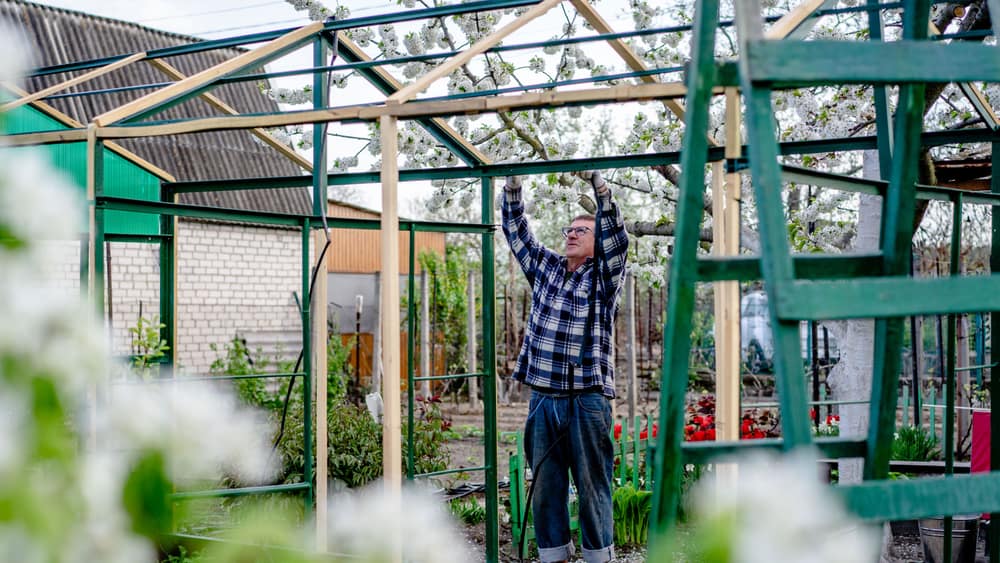
The kit price is the smallest part of the decision. Budget for a base -- leveled ground with the manufacturer's rail at minimum, or a timber frame on gravel -- plus ground anchors, and then for staging, which is what makes a small footprint usable. An automatic vent opener and a thermometer are the two accessories that actually prevent losses.
Running costs are near zero if you stay unheated, which most home greenhouses should. The recurring jobs are cleaning the glazing between seasons, replacing the occasional cracked panel, and clearing snow off the roof in a hard winter. Greenhouse gardening tips covers the running of one, and the best greenhouse kits covers the buying.