Step 5 - Greenhouses
Greenhouse Gardening Tips
Owning a greenhouse is easy. Running one well is three habits, repeated -- and the first one is opening the vent.
Janet H. - the hands-on owner behind Janet Media Group.
Published - last updated
This page contains affiliate links. If you buy through them we may earn a commission at no cost to you, and it never decides what we recommend. How this site is funded.
Ventilate more than you think, water the soil and not the leaves, and clean the structure between seasons. Those three habits account for most of the difference between a greenhouse that produces and one that becomes a pest and disease problem.
Ventilation
Extension guidance treats ventilation as core to greenhouse design, and notes it is most critical on days that are sunny but cool -- exactly the days when the outside temperature tempts you to leave the vent shut.
- Open in the morning, close in the late afternoon. In spring and autumn that rhythm matters more than the absolute temperature.
- Fit an automatic vent opener. A wax cylinder that needs no power removes the risk of a hot day when nobody is home.
- Use the door as well on hot days, and prop it so it cannot slam.
- Air movement matters even when cool. Still, humid air is what fungal disease needs. A small fan helps in a closed structure.
Watering
Water the soil, not the plant. Wet leaves in a humid structure are the starting condition for botrytis, mildew and leaf spot, and a greenhouse concentrates humidity by design.
Water in the morning so any splash dries during the day. Water deeply and less often rather than a little every day -- shallow watering keeps roots near the surface where they dry out fastest. Damping down the floor on hot days raises humidity around the crop and cools the structure, which also discourages red spider mite.
Hygiene
A greenhouse is a sheltered, frost-free environment, which is as attractive to pests as it is to plants. Aphids, whitefly and red spider mite all overwinter happily in one.
- Clear out old plants promptly at the end of a crop rather than leaving them to die back in place.
- Wash the glazing between seasons. Light transmission falls noticeably with a season's algae and dust, and the crevices are where pests shelter.
- Clean benches, trays and pots. Damping-off spreads between seasons on dirty trays more than anything else.
- Check new plants before they come in. A single infested plant seeds a whole greenhouse.
Shading
In high summer a greenhouse can be too bright and too hot even with the vents open. Shade cloth or a shade paint on the sunward side brings the temperature down and prevents scorch. Take it off in early autumn -- light becomes the limiting factor again quickly.
Seasonal routine
| Season | Jobs |
|---|---|
| Late winter | Clean glazing, set up staging and lights, start seeds |
| Spring | Harden off, pot on, ventilate daily, watch overnight lows |
| Summer | Shade, damp down, water daily, ventilate hard, watch for pests |
| Autumn | Clear summer crops, clean thoroughly, plant winter greens |
| Winter | Harvest hardy crops, vent on mild days, check for damp and mold |
For the accessories that make this routine easier, see greenhouse accessories. For what to plant through the year, what to grow in a greenhouse.
What to buy
The products that fit the advice above, chosen by the process on our how we choose page. We have not hands-on tested them; specifications are the manufacturers’ own.
Quick picks
| # | Product | Best for | Score | Price |
|---|---|---|---|---|
| 1 | 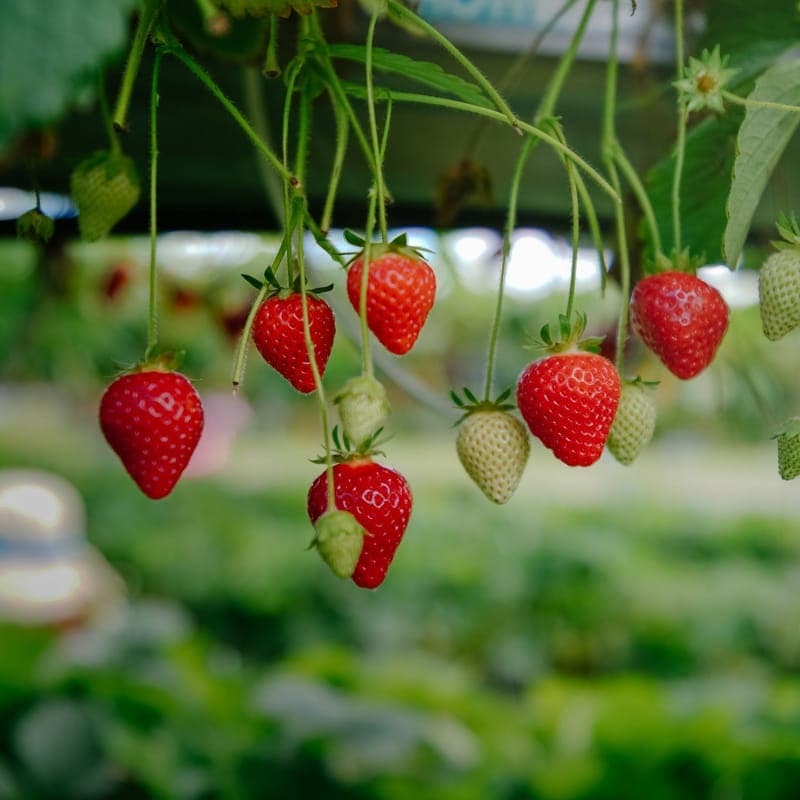 Top pickMin/Max Greenhouse ThermometerRecords the high and low since last reset | Knowing what actually happened overnight | 8.6 | Check price on Amazon |
| 2 | 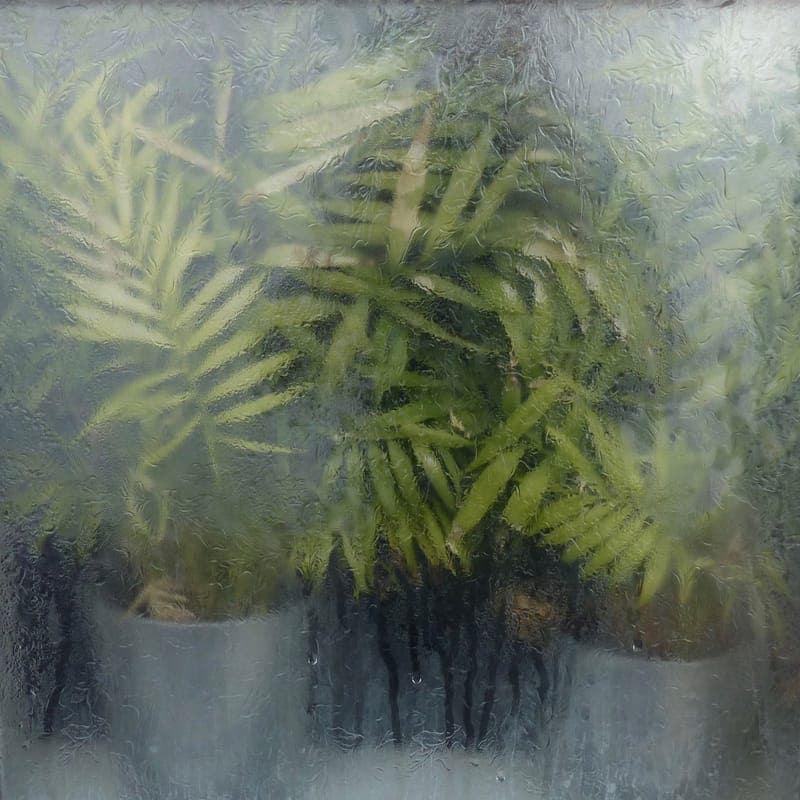 Greenhouse Staging and Shelving UnitTiered staging sized for standard trays | Doubling usable space | 8.2 | Check price on Amazon |
| 3 |  Palram Canopia Mythos GreenhouseAluminum frame, 4 mm twin-wall polycarbonate | A first real greenhouse | 9.0 | Check price on Amazon |
| 4 | 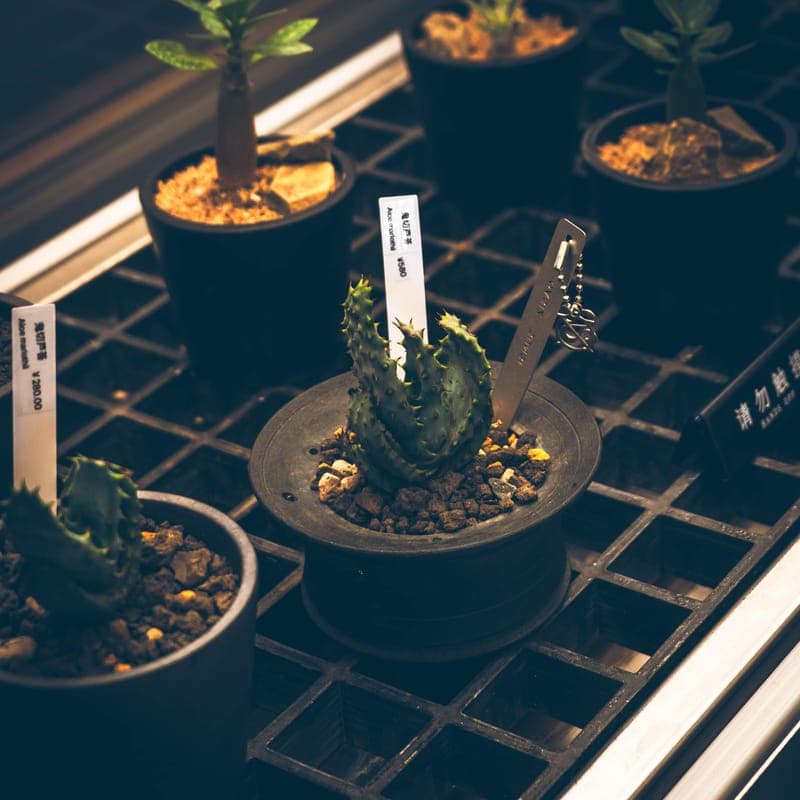 Barrina T5 Full-Spectrum LED Grow LightsLinkable LED strips, full spectrum | Stopping leggy seedlings | 9.0 | Check price on Amazon |
#ad We may earn a commission - prices are shown by Amazon, not by us
Scores are our own editorial judgment, formed from published specifications and independent sources. They are not aggregated customer ratings, and they are not the result of hands-on testing, which we do not currently do. See how we choose.
Common questions
How often should you ventilate a greenhouse?
Daily from early spring through autumn, opening in the morning and closing in the late afternoon. Ventilation is most critical on days that are sunny but cool, which are exactly the days the outside temperature tempts you to leave the vent shut.
Should you water greenhouse plants in the morning or evening?
Morning. Any splash on the foliage dries during the day, whereas evening watering leaves wet leaves overnight in a humid structure -- the starting condition for botrytis, mildew and leaf spot. Water the soil rather than the plant either way.
How do you stop pests in a greenhouse?
Hygiene first: clear old plants promptly, wash the glazing and benches between seasons, clean trays and pots, and inspect new plants before bringing them in. A greenhouse is frost-free and sheltered, which is as attractive to aphids and whitefly as it is to crops.
Do I need to shade a greenhouse in summer?
In most climates, yes, on the sunward side. Shade cloth or shade paint brings the temperature down and prevents scorch in high summer. Remove it in early autumn, because light quickly becomes the limiting factor again as days shorten.
Sources
Factual claims on this page are backed by the published sources below, and product specifications are the manufacturers’ own. Where a figure is not published, we say so rather than estimating it.