Step 4 - Composting
The Best Worm Composting Bins
The answer to no outdoor space and to winter. Run properly a worm bin lives under a sink and never smells.
Janet H. - the hands-on owner behind Janet Media Group.
Published - last updated
This page contains affiliate links. If you buy through them we may earn a commission at no cost to you, and it never decides what we recommend. How this site is funded.
Buy a stacking-tray bin and half a pound or so of red wigglers to start it. Keep the bedding as damp as a wrung-out sponge, feed small amounts, and it will run indoors year-round without smelling of anything but earth.
Quick picks
| # | Product | Best for | Score | Price |
|---|---|---|---|---|
| 1 | 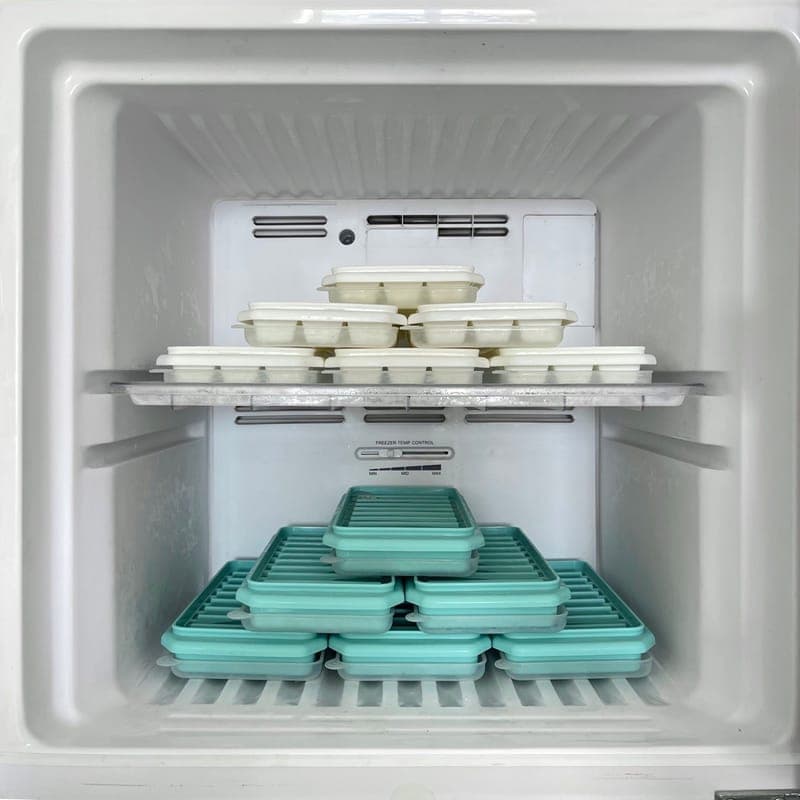 Top pickVermiHut Plus 5-Tray Worm Composter5 stacking trays with moisture and odor boards | Indoor composting, no yard | 8.6 | Check price on Amazon |
| 2 |  Red Wiggler Composting WormsLive red wigglers, sold by count | Stocking a worm bin | 8.5 | Check price on Amazon |
| 3 | 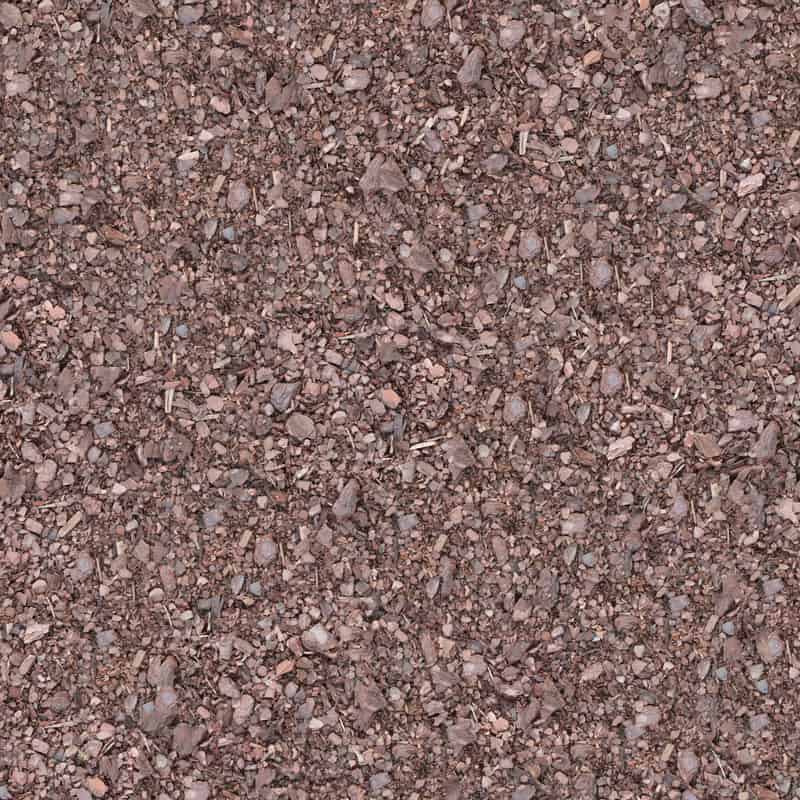 Wiggle Worm Pure Earthworm CastingsPure castings, used at low rates | Topping up a tired bed | 8.8 | Check price on Amazon |
| 4 |  Lomi Electric Kitchen ComposterCountertop grinder-dehydrator, cycle in hours | Apartments with no outdoor option | 7.4 | Check price on Amazon |
#ad We may earn a commission - prices are shown by Amazon, not by us
Scores are our own editorial judgment, formed from published specifications and independent sources. They are not aggregated customer ratings, and they are not the result of hands-on testing, which we do not currently do. See how we choose.
The species matters
Red wigglers -- Eisenia fetida -- are the composting worm. They live in decaying organic matter near the surface, which is exactly what a worm bin is. Extension guidance notes they stay within the top few inches rather than burrowing deep, which is why a shallow tray system suits them.
The nightcrawlers you dig up in the yard are soil-dwelling burrowers. Put them in a bin and they will try to leave, or die. This is the most common beginner mistake in vermicomposting and it is entirely avoidable.
Why stacking trays work
Worms finish a tray and migrate upward toward fresh food in the tray above, leaving finished castings behind. That means harvesting is mostly self-sorting: lift off the finished tray rather than picking worms out of compost by hand.
A single-container bin works too and is cheaper, but harvesting means the side-to-side method -- push everything to one side, put fresh bedding and food in the empty half, and wait a couple of weeks for the worms to move across.
Running one without smell
- Feed small amounts. Overfeeding is the cause of nearly every smelly bin. Food the worms cannot process in a few days rots instead.
- Keep bedding damp, not wet. Shredded newsprint or cardboard, soaked and wrung out. Extension guidance describes the target as about as moist as a damp sponge.
- Bury the food. Tuck scraps under the bedding rather than leaving them on top, which is also how you avoid fruit flies.
- Keep it out of extremes. Worms are comfortable at the temperatures a house stays at. A garage that freezes or bakes will kill them.
- Drain the liquid. Most bins have a tap. Diluted heavily, the drainage is a usable plant feed; left to accumulate, it drowns the lower tray.
What worms will and will not eat
| Feed | Avoid |
|---|---|
| Fruit and vegetable scraps | Meat, fish, dairy, oils |
| Coffee grounds and paper filters | Citrus and onion in quantity -- both are hard on them |
| Crushed eggshells | Spicy foods and anything heavily salted |
| Shredded paper and cardboard bedding | Glossy or heavily inked paper |
| Tea leaves | Large amounts of anything at once |
Why the castings are worth it
Worm castings are more concentrated than ordinary compost and gentle enough to use directly around seedlings, where fresh manure would scorch. A handful in a planting hole or raked into the top few inches of a bed does real work.
If you already buy bagged castings for your beds, a worm bin is the purchase that ends that expense -- see the best compost for raised beds for how they are used.
The picks in full
Top pick
VermiHut Plus 5-Tray Worm Composter
VermiHut
#ad We may earn a commission - prices are shown by Amazon, not by us
A worm bin that works indoors year-round, which is the only real option for an apartment -- and worm castings are better than compost anyway.
Vermicomposting is the answer to two problems at once: no outdoor space, and winter. A worm bin lives under a sink or in a garage and keeps working at room temperature when an outdoor pile has gone cold and dormant.
The stacking system does the sorting for you. Worms finish a tray and migrate up toward the fresh food in the tray above, leaving finished castings behind to lift off.
Two habits make the difference between an odor-free bin and a bad experience: feed small amounts, and keep the bedding damp rather than wet. Smell is almost always overfeeding.
What works
- Genuinely odor-free when run correctly
- Works indoors through winter, when outdoor piles stall
- Castings are a stronger soil amendment than ordinary compost
- Worms migrate upward, so harvesting is mostly self-sorting
What does not
- Worms are a separate purchase and a living thing to look after
- Cannot take onion, citrus or large amounts at once
- Small throughput compared with an outdoor bin
Skip it if: the idea of keeping worms in the house is a hard no. It works, it does not smell, and it is still not for everyone.
| Type | Stacking-tray vermicomposter |
|---|---|
| Trays | 5 |
| Features | Airflow board and moisture-control board |
| Liquid | Tap at the base for drainage |
| Worms | Not included -- buy red wigglers separately |
Stocking a worm bin
Red Wiggler Composting Worms
Uncle Jim's Worm Farm
#ad We may earn a commission - prices are shown by Amazon, not by us
A worm bin without worms is a plastic box. Red wigglers are the composting species -- garden earthworms will not do this job.
The species matters and beginners often get this wrong. Red wigglers live in decaying organic matter at the surface, which is exactly what a worm bin is. The nightcrawlers you dig up in the yard live in soil burrows and will try to escape a bin, or die in it.
Start with a modest quantity and let them multiply. Worm populations track their food supply, so a starter batch in a well-run bin grows to fill it within a season.
Order for a mild week. They ship as live animals in a box, and a heat wave or a hard freeze in transit is the main reason a delivery arrives dead.
What works
- The correct species for a worm bin -- they live in decaying material, not soil
- Population self-regulates to the food supply
- Produces castings, the strongest common soil amendment
- A starter quantity multiplies over a season
What does not
- Living animals, so shipping heat and cold are real risks
- Will die if the bin dries out or floods
- Not the same as the earthworms in your yard
Skip it if: your bin will live somewhere that freezes or bakes. Worms are livestock and they die in both directions.
| Species | Eisenia fetida (red wiggler) |
|---|---|
| Sold by | Count, commonly 250 to 2,000 |
| Shipping | Live, so delivery timing matters |
| Temperature | Comfortable in the range a house stays at |
Topping up a tired bed
Wiggle Worm Pure Earthworm Castings
Wiggle Worm
#ad We may earn a commission - prices are shown by Amazon, not by us
The concentrate: a small amount worked into the root zone does more than a much larger volume of ordinary compost.
Castings are what a worm bin produces, and they are the most concentrated common soil amendment available in a bag. The useful property is that they are gentle -- unlike fresh manure, castings will not scorch a seedling.
Use them where roots will find them: a handful in each planting hole, or a thin layer raked into the top few inches before planting. Spreading them thinly across an entire bed is largely wasted.
If this becomes a regular purchase, that is the argument for a worm bin. You would be making the same material at home from material you currently throw away.
What works
- Very effective at small application rates
- Will not burn seedlings the way raw manure can
- Improves structure as well as feeding
- Stores well between seasons
What does not
- Expensive by volume
- Too dense to use as a bulk fill
- Easy to overuse and waste
Skip it if: you are trying to add volume. Castings are an amendment, not a fill -- a bed of pure castings is both wasteful and too dense.
| Type | Pure earthworm castings |
|---|---|
| Use rate | Worked in at low rates, not used as a bulk fill |
| Texture | Fine, dark, uniform |
| Bag size | Commonly 15 and 30 lb |
Apartments with no outdoor option
Lomi Electric Kitchen Composter
Pela
#ad We may earn a commission - prices are shown by Amazon, not by us
It is a grinder and dehydrator, not a composter -- but if the alternative is food waste going in the trash, the output still improves your soil.
Be clear about what this machine does, because the marketing is not. It grinds and dries food waste. Composting is a biological process that takes weeks; this is a mechanical one that takes hours. The output is pre-compost -- a soil amendment that still needs to finish breaking down in soil or a bin.
That does not make it useless. Food waste in landfill breaks down without oxygen and produces methane; the same scraps dried, ground and dug into a bed do not. For an apartment with no balcony, that is a real improvement over the trash.
It is the most expensive way to process a kitchen's worth of scraps, both to buy and to run. If you have a yard, put the money into a tumbler and a bag of worms instead.
What works
- Turns food scraps into something usable overnight
- No smell, no worms, no outdoor space needed
- Reduces waste volume dramatically
- Quiet enough to run at night
What does not
- Expensive to buy and it uses electricity every cycle
- Output is dried ground food, not finished compost -- it still needs to break down
- Filters are an ongoing cost
Skip it if: you have any outdoor space at all. A $30 bin outdoors makes better compost than a several-hundred-dollar appliance makes on a counter.
| Type | Electric food-waste recycler |
|---|---|
| Cycle | Several hours depending on mode |
| Output | Dried, ground material -- pre-compost, not finished compost |
| Consumables | Carbon filters need periodic replacement |
| Power | Standard outlet |
Common questions
What worms do you use for a worm composting bin?
Red wigglers, Eisenia fetida. They live in decaying organic matter near the surface, which is what a bin provides. Garden earthworms and nightcrawlers are soil burrowers -- they will try to escape a bin or die in it, and swapping them in is the classic beginner error.
Do worm bins smell?
Not when run correctly -- a healthy bin smells of earth. Smell means overfeeding, too much moisture, or food left on the surface instead of buried. Feed small amounts, keep bedding as damp as a wrung-out sponge, and bury the scraps.
How many worms do I need to start a worm bin?
Around half a pound is a common starting quantity for a standard household bin. Populations regulate themselves to the food supply, so a starter batch multiplies to fill the bin over a season rather than needing to be topped up.
Can you keep a worm bin indoors?
Yes, and that is the main reason to have one -- it keeps working at room temperature through winter, when an outdoor pile has gone cold. Under a sink, in a utility room or in a heated garage all work. Avoid anywhere that freezes or overheats.
Sources
Factual claims on this page are backed by the published sources below, and product specifications are the manufacturers’ own. Where a figure is not published, we say so rather than estimating it.