Step 4 - Composting
Composting Worms
The species is not a detail. Put the wrong worm in a bin and it will leave, or die.
Janet H. - the hands-on owner behind Janet Media Group.
Published - last updated
This page contains affiliate links. If you buy through them we may earn a commission at no cost to you, and it never decides what we recommend. How this site is funded.
Use red wigglers, Eisenia fetida. Start with around half a pound for a standard household bin, feed small amounts, keep the bedding as damp as a wrung-out sponge, and the population will grow to match the food you give it.
Quick picks
| # | Product | Best for | Score | Price |
|---|---|---|---|---|
| 1 | 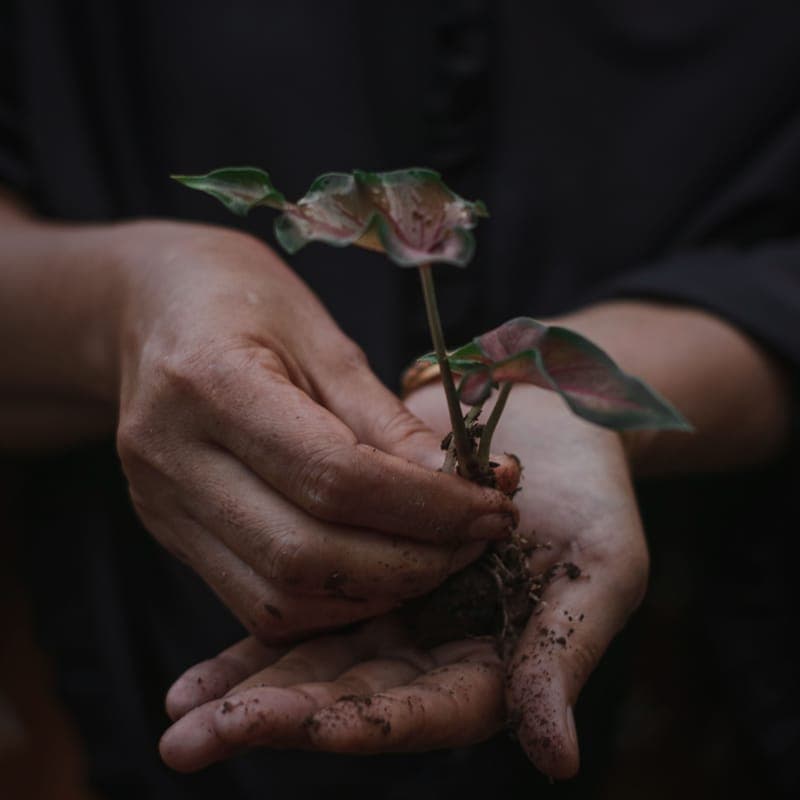 Top pickRed Wiggler Composting WormsLive red wigglers, sold by count | Stocking a worm bin | 8.5 | Check price on Amazon |
| 2 |  VermiHut Plus 5-Tray Worm Composter5 stacking trays with moisture and odor boards | Indoor composting, no yard | 8.6 | Check price on Amazon |
| 3 |  Wiggle Worm Pure Earthworm CastingsPure castings, used at low rates | Topping up a tired bed | 8.8 | Check price on Amazon |
#ad We may earn a commission - prices are shown by Amazon, not by us
Scores are our own editorial judgment, formed from published specifications and independent sources. They are not aggregated customer ratings, and they are not the result of hands-on testing, which we do not currently do. See how we choose.
Red wigglers, not nightcrawlers
Red wigglers live in decaying organic matter at the surface -- extension guidance describes them burrowing only a few inches down. That is precisely the environment a worm bin creates, which is why they thrive in one.
Nightcrawlers and the earthworms in your yard are soil-dwelling burrowers that need deep, cool, undisturbed soil. In a shallow bin of food scraps they try to escape, and if they cannot, they die. Collecting worms from the garden to stock a bin is the single most common way a first worm bin fails.
How many to start with
Around half a pound suits a standard household bin. Worms can process something like half their body weight a day under good conditions, so half a pound handles a modest daily amount of scraps to begin with.
The population self-regulates. Feed more and, given space and conditions, they multiply; feed less and numbers settle back. You do not need to buy more later unless something has gone badly wrong.
Bedding
Shredded newsprint -- black-and-white pages only -- or torn cardboard. Soak it and squeeze it out until it is about as damp as a wrung-out sponge, fluff it up, and fill the bottom portion of the bin. That bedding is both habitat and carbon source.
Top the bedding up as it gets consumed. A bin that is all food and no bedding goes wet and sour quickly.
Feeding
| Feed | Avoid |
|---|---|
| Fruit and vegetable scraps, chopped small | Meat, fish, dairy, oils |
| Coffee grounds and paper filters | Citrus and onion in quantity |
| Crushed eggshells | Spicy or heavily salted food |
| Tea leaves | Large amounts of anything at once |
| Soft, damp cardboard | Glossy or heavily inked paper |
Bury food under the bedding rather than leaving it on the surface. That is what keeps fruit flies away and encourages the worms to work through it.
Keeping them alive
- Temperature. They are comfortable in the range a house stays at. A garage that freezes or a shed that bakes will kill them.
- Moisture. Damp, never saturated. Too wet and they drown; too dry and they desiccate.
- Do not overfeed. Uneaten food rots, the bin goes acidic and smelly, and the worms suffer. Feed less and more often.
- Drain the liquid. Most bins have a tap. Left to accumulate, drainage floods the bottom tray.
Harvesting
In a stacking-tray bin, worms migrate upward toward fresh food and you lift off the finished tray beneath. In a single container, the side-to-side method works: push everything to one side, add fresh bedding and food to the empty half, and wait a couple of weeks for the worms to move across before removing the castings.
Extension guidance suggests three to five months before a bin is ready for its first harvest. After that it is continuous. For what to do with the castings, see the best compost for raised beds.
Common questions
What worms are best for composting?
Red wigglers, Eisenia fetida. They live in decaying organic matter near the surface, which is exactly what a worm bin provides. Garden earthworms and nightcrawlers are deep-soil burrowers and will either escape a bin or die in it.
How many worms do I need for a compost bin?
Around half a pound for a standard household bin. Worms process roughly half their body weight a day in good conditions, and the population multiplies to match the food supply -- so a starter quantity grows into a full bin over a season.
Can I use worms from my garden in a worm bin?
No. Garden earthworms are soil burrowers that need deep, cool, undisturbed soil. In a shallow bin of food scraps they attempt to escape and often die. Buy red wigglers, which are the species adapted to exactly this environment.
How long until a worm bin produces castings?
Three to five months for a first harvest, according to extension guidance, after which production is continuous. Stacking-tray bins largely sort themselves -- worms migrate up toward fresh food, leaving finished castings in the tray below.
Sources
Factual claims on this page are backed by the published sources below, and product specifications are the manufacturers’ own. Where a figure is not published, we say so rather than estimating it.