Step 5 - Greenhouses
Palram Canopia Greenhouses Review
The default answer in this category. The interesting question is which model, not whether.
Janet H. - the hands-on owner behind Janet Media Group.
Published - last updated
This page contains affiliate links. If you buy through them we may earn a commission at no cost to you, and it never decides what we recommend. How this site is funded.
Palram Canopia is the most widely available home greenhouse brand, and the range is genuinely differentiated: Mythos for general use, Hybrid for light, Glory for cold climates. Choose by climate and by what you plan to grow rather than by price.
Quick picks
| # | Product | Best for | Score | Price |
|---|---|---|---|---|
| 1 | 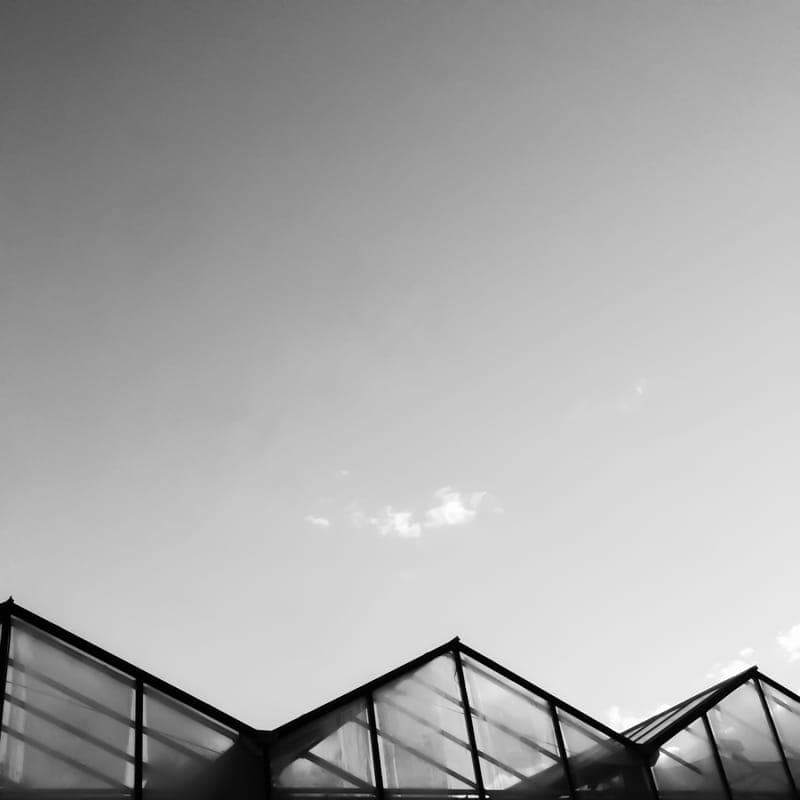 Top pickPalram Canopia Mythos GreenhouseAluminum frame, 4 mm twin-wall polycarbonate | A first real greenhouse | 9.0 | Check price on Amazon |
| 2 | 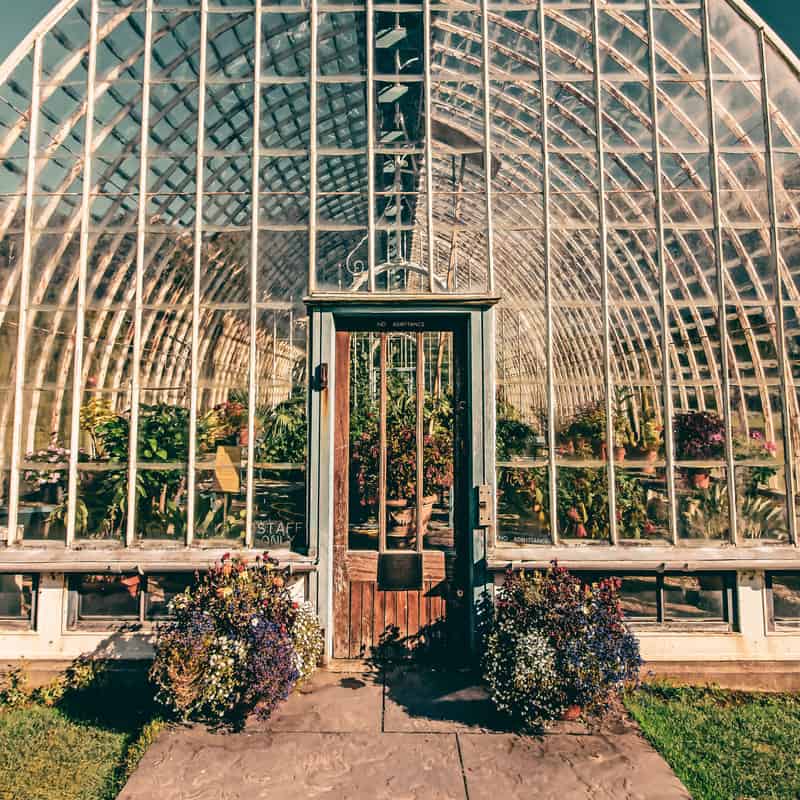 Palram Canopia Hybrid GreenhouseClear side panels, twin-wall roof | Seeing in, and light diffusion | 8.8 | Check price on Amazon |
| 3 | 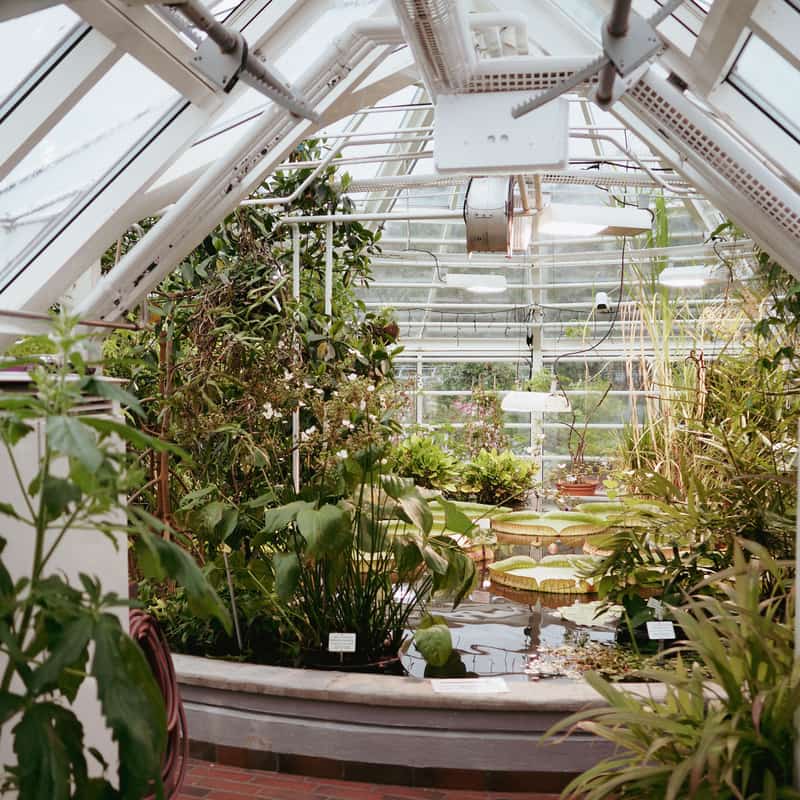 Palram Canopia Glory Greenhouse10 mm twin-wall polycarbonate throughout | Cold climates and winter growing | 8.9 | Check price on Amazon |
#ad We may earn a commission - prices are shown by Amazon, not by us
Scores are our own editorial judgment, formed from published specifications and independent sources. They are not aggregated customer ratings, and they are not the result of hands-on testing, which we do not currently do. See how we choose.
How the models differ
| Model | Glazing | Best for |
|---|---|---|
| Mythos | 4 mm twin-wall throughout | General three-season use in a temperate climate |
| Hybrid | Clear walls, twin-wall roof | Northern or light-limited gardens; you can see in |
| Glory | 10 mm twin-wall throughout | Cold climates, snow load, winter growing |
The frames are aluminum across the range -- rust-free, no painting, and light enough that anchoring is mandatory rather than advisory.
What the brand gets right
- Availability and spares. Widely stocked, and replacement panels are obtainable -- which matters over a decade of hail and branches.
- Roof vents as standard rather than sold separately, which is not universal at these prices.
- Several lengths per width, so you can match the run to the space rather than the other way round.
- Sensible door hardware -- lockable handles and magnetic catches on most models.
Where it falls short
- Assembly is long. Budget a full day and a second person. The frame is not rigid until the last bolt, and panels flex while you work.
- Panels can pop out in high wind if the structure is not properly square and anchored. Most reports of this trace back to assembly or anchoring.
- One roof vent is thin provision on the larger models. Adding a second, or a side vent, is worth considering.
- Thin glazing on the entry models is genuinely three-season. Do not buy a 4 mm kit expecting winter performance.
Which to buy
In a temperate climate with three-season use in mind, Mythos at 6 x 8 ft or larger. In a northern or shaded garden where light is short, Hybrid. Where winters are hard or snow is a factor, Glory -- the extra glazing is the entire point and the price difference buys exactly that.
Whichever you choose, add an automatic vent opener. See greenhouse accessories, and polycarbonate vs glass for the glazing reasoning in full.
The picks in full
Top pick
Palram Canopia Mythos Greenhouse
Palram Canopia
#ad We may earn a commission - prices are shown by Amazon, not by us
The sensible first greenhouse: an aluminum frame with twin-wall panels, sized to fit a normal backyard rather than a nursery.
Twin-wall polycarbonate is the thing that separates a greenhouse from a plastic tent. Two skins with an air gap between them insulate, and the panel diffuses light rather than throwing hard shadows, which suits seedlings better than clear glass does.
The Mythos sits at the point in the range where you get a proper aluminum frame, a roof vent and a lockable door without paying for the heavy-duty glazing. For starting seeds, hardening off, and stretching the tomato season at both ends, that is the right specification.
Two warnings from the manual that people ignore. Anchor it -- every lightweight greenhouse that ends up in a neighbor's yard was not anchored. And build it with a second person; the panels flex and the frame is not square until the last bolt.
What works
- Twin-wall panels diffuse light and insulate better than single-skin plastic
- Aluminum frame will not rust or need painting
- Lengths let you match the run to the space you have
- Roof vent included rather than sold as an extra
What does not
- 4 mm glazing is thin for real winter use
- Assembly is a long afternoon and genuinely needs two people
- Must be anchored -- an unanchored kit is a sail
Skip it if: you live somewhere with heavy snow load. 4 mm panels are a three-season specification; the thicker-glazed models exist for a reason.
| Frame | Rust-resistant aluminum |
|---|---|
| Glazing | 4 mm twin-wall polycarbonate |
| Sizes | 6 ft wide, several lengths including 6 x 8 and 6 x 10 |
| Ventilation | Roof vent, lockable door handle |
| Base | Integrated base rail, anchoring required |
Seeing in, and light diffusion
Palram Canopia Hybrid Greenhouse
Palram Canopia
#ad We may earn a commission - prices are shown by Amazon, not by us
Clear walls so you can see what is happening inside, with a diffusing twin-wall roof over the plants that need protection from hard overhead sun.
The Hybrid name refers to two glazing types in one kit: crystal-clear panels on the walls, twin-wall on the roof. In practice that means high light levels from the sides and diffused light from above, which is a good compromise in a northern or cloudy garden.
It also means you can see in. That sounds trivial until you have walked out in the rain three times a week to check whether anything needs water.
In a hot, south-facing, unshaded spot the clear walls become a liability. If that is your site, choose the fully diffused model or plan on shade cloth from midsummer.
What works
- You can see the plants without opening the door
- High light transmission through the clear walls
- Twin-wall roof still protects from midday sun
- Same aluminum frame as the rest of the range
What does not
- Clear walls run hotter than fully diffused glazing
- Shows dirt and algae sooner
- Needs shading in a hot, exposed spot
Skip it if: your site bakes in afternoon sun. Clear walls transmit far more light, and heat follows light.
| Frame | Rust-resistant aluminum |
|---|---|
| Glazing | Clear polycarbonate walls, twin-wall roof |
| Sizes | 6 ft wide, multiple lengths |
| Ventilation | Roof vent plus hinged door |
| Base | Integrated base, anchoring required |
Cold climates and winter growing
Palram Canopia Glory Greenhouse
Palram Canopia
#ad We may earn a commission - prices are shown by Amazon, not by us
The heavy-glazed model in the range, and the one to buy if the plan is to keep growing through a real winter.
Glazing thickness is the whole argument for this kit. A 10 mm twin-wall panel holds substantially more heat overnight than a 4 mm one, and overnight is when a winter greenhouse either works or does not.
It is also the model to look at if you get real snow. Thin panels and light frames are a three-season specification; if you are in the Cascades or anywhere with a genuine snow load, buy the heavier structure rather than hoping.
None of that makes it heated. A greenhouse without a heat source holds a few degrees over outside, which is the difference between hardy greens surviving and not -- it is not a tropical house in January.
What works
- 10 mm glazing holds heat far better than 4 mm
- Rated for harder weather than the lighter kits
- Wider footprint gives room for benches down both sides
- Better vent provision as standard
What does not
- Substantially more expensive
- Thicker panels cut light transmission a little
- Heavy enough that assembly is a two-person, whole-day job
Skip it if: you only want a spring seed-starting space. You are paying a large premium for insulation you will use for three months of the year.
| Frame | Heavy-gauge aluminum |
|---|---|
| Glazing | 10 mm twin-wall polycarbonate |
| Sizes | 8 ft wide, several lengths |
| Ventilation | Roof vents, and a screened side vent on some models |
| Base | Integrated base, anchoring required |
Common questions
Are Palram Canopia greenhouses any good?
They are the most widely available home greenhouse brand and the range is genuinely differentiated by glazing. The aluminum frames do not rust, roof vents are standard, and spare panels are obtainable. The main caveats are long assembly and thin glazing on the entry models.
What is the difference between Palram Mythos, Hybrid and Glory?
Mythos has 4 mm twin-wall glazing throughout for general three-season use. Hybrid has clear walls and a twin-wall roof for higher light transmission. Glory has 10 mm twin-wall throughout, which holds heat far better and suits cold climates and snow load.
Do Palram greenhouse panels blow out in wind?
It happens, and it almost always traces back to a frame that was not assembled square or not properly anchored. Use every supplied ground anchor, leave bolts slightly loose until the structure is square, then tighten, and check the panel clips after the first storm.
How long does a Palram greenhouse take to assemble?
Budget a full day with two people. The frame is not rigid until the final bolts go in, the panels flex while you handle them, and small hardware is easy to lose. Sorting the fasteners before you start saves more time than anything else.
Sources
Factual claims on this page are backed by the published sources below, and product specifications are the manufacturers’ own. Where a figure is not published, we say so rather than estimating it.