Step 4 - Composting
Compost vs Mulch
Two different jobs that people routinely confuse. One goes into the soil, the other sits on top of it.
Janet H. - the hands-on owner behind Janet Media Group.
Published - last updated
This page contains affiliate links. If you buy through them we may earn a commission at no cost to you, and it never decides what we recommend. How this site is funded.
Compost is a soil amendment: it adds organic matter, nutrition and biology to the soil itself. Mulch is a surface covering: it suppresses weeds, holds moisture and moderates temperature. Compost can be used as a mulch; bark and wood chips should not be dug in.
| Compost | Mulch | |
|---|---|---|
| Where it goes | Into the soil, or as a surface layer | On the surface only |
| Main job | Feed the soil and add organic matter | Suppress weeds, hold moisture, moderate temperature |
| Typical depth | 1 to 2 in | 2 to 4 in |
| Common materials | Finished compost, leaf mold, well-rotted manure | Straw, wood chips, bark, shredded leaves, grass clippings |
| Nutrition supplied | Yes | Slowly, as it breaks down |
| Can do the other job? | Yes -- compost makes a decent mulch | Only once fully broken down |
Quick picks
| # | Product | Best for | Score | Price |
|---|---|---|---|---|
| 1 |  Top pickCharlie's CompostComposted poultry litter with mineral additions | A compost boost, not a fill | 8.4 | Check price on Amazon |
| 2 | 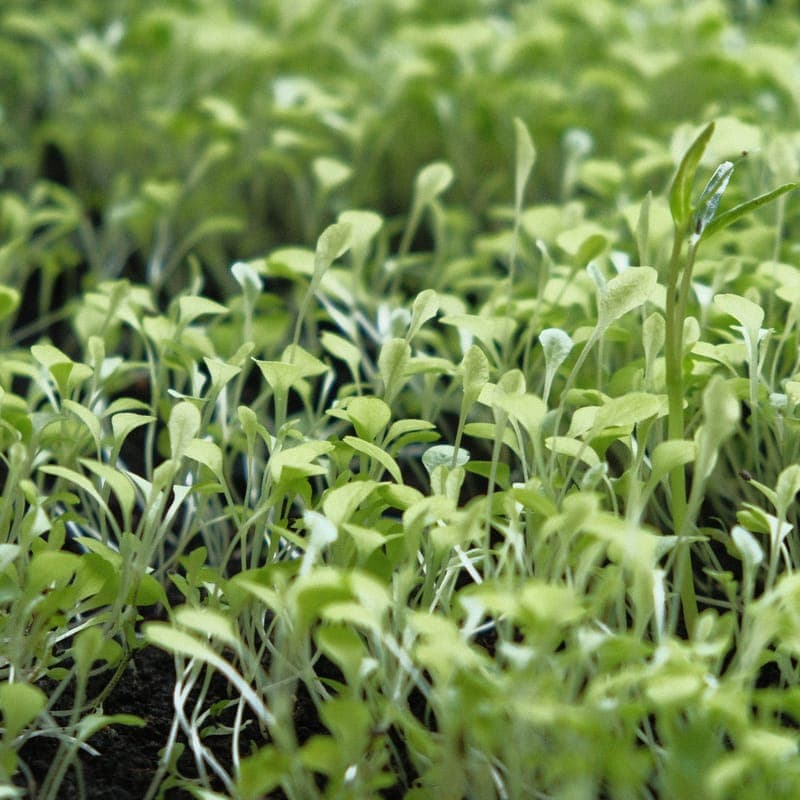 Coast of Maine Castine Blend Raised Bed MixCompost-rich blend with castings, kelp and biochar | A bed you fill once and feed | 9.0 | Check price on Amazon |
| 3 | 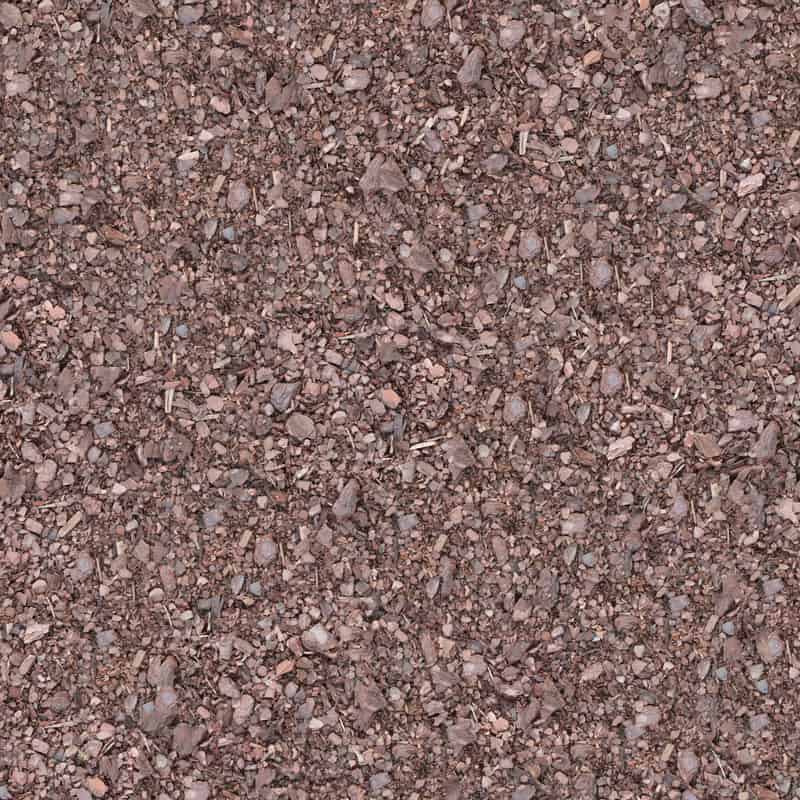 Wiggle Worm Pure Earthworm CastingsPure castings, used at low rates | Topping up a tired bed | 8.8 | Check price on Amazon |
#ad We may earn a commission - prices are shown by Amazon, not by us
Scores are our own editorial judgment, formed from published specifications and independent sources. They are not aggregated customer ratings, and they are not the result of hands-on testing, which we do not currently do. See how we choose.
What mulch actually does
Extension guidance is consistent on three benefits: weed suppression, moisture retention and temperature moderation. The moisture figure is the striking one -- mulching is credited with cutting irrigation need substantially by reducing evaporation from the surface.
In a raised bed, which dries faster than surrounding ground, that matters more than in open soil. Mulch also acts as a barrier between fruit and soil, which is why straw under strawberries reduces the rots that come from soil contact.
Depths, and the one that matters
Two to four inches is the usual mulch depth in a bed. Too little and weeds come through; too much and air and water struggle to reach the roots. In paths between beds, 3 to 4 inches of wood chips is standard and also prevents foot-traffic compaction.
For compost as an annual top-up, 1 to 2 inches across the surface each spring is what a bed wants. Spread it on top rather than digging it in -- there is no need to disturb the structure.
The wood chip rule
Wood chips are excellent on the surface and bad dug into the growing layer. Decomposing wood consumes nitrogen at the wood-soil interface, so chips mixed into the top few inches leave plants pale and stunted, while the same chips sitting on top cause no such problem.
This is the same principle that governs hugelkultur: wood is fine as long as it is not in the root zone.
Grass clippings, carefully
Clippings make a good free mulch in thin layers -- extension guidance suggests applying no more than about a quarter inch at a time and letting each layer dry before adding more. Piled on thick and wet, they mat into an airless slimy layer that sheds water rather than letting it through.
Avoid clippings from a lawn treated with a broadleaf herbicide, which can persist and damage vegetables.
If compost is the material you keep buying, the best compost bins is how you stop. For the amounts a bed actually needs, the best compost for raised beds.
The picks in full
Top pick
Charlie's Compost
Charlie's Compost
#ad We may earn a commission - prices are shown by Amazon, not by us
A strong, genuinely composted amendment for beds that have been growing hard -- potent enough that the application rate matters.
There is a real difference between bulk compost, which you use by the cubic foot to build soil volume, and a concentrated composted amendment, which you use by the handful to feed one. This is the second kind.
The best use is a bed going into its second or third season, where the original fill has been cropped hard and has slumped. Blend a modest amount into the top few inches before planting rather than spreading it on top.
Follow the rate on the bag. More is not better with a concentrated amendment, and an over-fed bed grows leaf at the expense of fruit.
What works
- Noticeably potent compared with generic bagged compost
- Fully composted, so it can be used at planting time
- Small bag goes a long way
- Good for restarting a bed that has been cropped hard
What does not
- Concentrated enough that over-application is a real mistake
- Priced as an amendment, not a fill
- Has a distinct smell when first opened
Skip it if: you want bulk volume. This is a concentrated amendment and using it like bulk compost is expensive and unnecessary.
| Type | Composted amendment |
|---|---|
| Listed inputs | Composted poultry litter, forest products, clay, mineral additions |
| Use | Blended into the root zone at modest rates |
| Bag size | Commonly 10 lb |
A bed you fill once and feed
Coast of Maine Castine Blend Raised Bed Mix
Coast of Maine
#ad We may earn a commission - prices are shown by Amazon, not by us
The premium bagged mix: a genuinely complex blend rather than peat with a handful of fertilizer, and it shows in the second season.
Bagged raised bed mixes vary enormously, and the ingredient list is how you tell them apart. A cheap mix is mostly peat or bark fines with a starter fertilizer. This one lists compost, worm castings, kelp, biochar and crustacean meal, which is a different product doing a different job.
The practical difference shows up in year two. Simple mixes slump and compact; a compost-rich, biologically active blend keeps its structure and keeps releasing nutrients.
Use it where it counts. Vegetable roots mostly live in the top 10 to 12 inches, so put the good mix there and use cheaper bulk material below. Filling a 17-inch bed entirely with premium bagged mix is how people end up spending more on soil than on the bed.
What works
- Genuinely diverse ingredient list, not a peat-and-fertilizer mix
- Holds structure rather than compacting over a season
- Biologically active, so it keeps improving
- Works straight from the bag with no amending
What does not
- Among the most expensive options per cubic foot
- Regional availability varies
- Overkill as bulk fill for a deep bed
Skip it if: you are filling a large bed from empty. At premium prices per cubic foot, a full fill costs more than the bed did.
| Type | Ready-to-use raised bed mix |
|---|---|
| Listed inputs | Compost, worm castings, kelp, biochar, greensand, crustacean meal |
| Use | Fill the top layer, or top up each spring |
| Bag size | Commonly 1 and 2 cu ft |
Topping up a tired bed
Wiggle Worm Pure Earthworm Castings
Wiggle Worm
#ad We may earn a commission - prices are shown by Amazon, not by us
The concentrate: a small amount worked into the root zone does more than a much larger volume of ordinary compost.
Castings are what a worm bin produces, and they are the most concentrated common soil amendment available in a bag. The useful property is that they are gentle -- unlike fresh manure, castings will not scorch a seedling.
Use them where roots will find them: a handful in each planting hole, or a thin layer raked into the top few inches before planting. Spreading them thinly across an entire bed is largely wasted.
If this becomes a regular purchase, that is the argument for a worm bin. You would be making the same material at home from material you currently throw away.
What works
- Very effective at small application rates
- Will not burn seedlings the way raw manure can
- Improves structure as well as feeding
- Stores well between seasons
What does not
- Expensive by volume
- Too dense to use as a bulk fill
- Easy to overuse and waste
Skip it if: you are trying to add volume. Castings are an amendment, not a fill -- a bed of pure castings is both wasteful and too dense.
| Type | Pure earthworm castings |
|---|---|
| Use rate | Worked in at low rates, not used as a bulk fill |
| Texture | Fine, dark, uniform |
| Bag size | Commonly 15 and 30 lb |
Common questions
Can you use compost as mulch?
Yes. A one to two inch layer of finished compost on the surface suppresses weeds, holds moisture and feeds the soil as it works in. It is the one material that genuinely does both jobs well, which is why it is the standard annual top-up for a raised bed.
Can you dig wood chips into a garden bed?
Avoid it. Decomposing wood consumes nitrogen at the wood-soil interface, so chips mixed into the growing layer leave plants pale and stunted. On the surface as mulch they cause no such problem -- the interface is simply not where the roots are.
How deep should mulch be in a raised bed?
Two to four inches. Less than that and weeds push through; more and air and water have trouble reaching the roots. In paths between beds, three to four inches of wood chips also prevents compaction from foot traffic.
Are grass clippings good mulch?
In thin layers, yes -- apply no more than about a quarter inch at a time and let each layer dry before adding more. Piled on thick and wet they mat into a slimy airless layer. Avoid clippings from lawns treated with broadleaf herbicide.
Sources
Factual claims on this page are backed by the published sources below, and product specifications are the manufacturers’ own. Where a figure is not published, we say so rather than estimating it.