Step 2 - Soil & Fill
Compost vs Manure for a Vegetable Garden
They are not alternatives so much as different stages of the same process -- and only one of them is safe to put on a salad bed in spring.
Janet H. - the hands-on owner behind Janet Media Group.
Published
This page contains affiliate links. If you buy through them we may earn a commission at no cost to you, and it never decides what we recommend. How this site is funded.
For a raised vegetable bed, finished compost is the default and raw manure is not a substitute for it. Compost is a stable soil conditioner: it adds organic matter, improves structure and water holding, and releases a modest, balanced amount of nutrition slowly. Manure is a fertility input that is high in nitrogen and, when fresh, both strong enough to burn roots and a genuine food-safety risk. Composted manure -- manure that has been through a hot composting process -- combines most of the benefits of both and is what you actually want on a vegetable bed.
What each one is doing in the soil
| Finished compost | Raw manure | Composted manure | |
|---|---|---|---|
| Main job | Soil conditioner and organic matter | Nitrogen-rich fertility input | Both, at moderate strength |
| Nutrient level | Low and balanced | High, especially nitrogen | Moderate |
| Release speed | Slow | Fast, and can be too fast | Slow to moderate |
| Burn risk | Essentially none | Real, especially poultry manure | Low |
| Pathogen risk | Low if hot composted | Real -- E. coli, salmonella | Low if properly composted |
| Weed seed | Low if hot composted | High | Low |
| Smell | Earthy | Strong | Earthy |
| Apply when | Any time, including at planting | Fall, months before harvest | Any time |
| Use rate | 1 to 2 in over the bed | Thin, and worked in well ahead | 1 to 2 in over the bed |
The row that decides most arguments is release speed. A bed amended with compost is being improved; a bed amended with fresh manure is being fed, hard. Those are different interventions, and a raised bed built on a compost-rich mix rarely needs the second one.
The food-safety rule, which is not optional
Raw animal manure can carry human pathogens, and the ones that matter -- E. coli O157:H7, salmonella, listeria -- survive in soil for months. The standard guidance for home gardeners applies raw manure well ahead of harvest, not before it.
- Leave at least 120 days between applying raw manure and harvesting any crop whose edible part touches the soil: carrots, beets, radishes, potatoes, lettuce, spinach, strawberries.
- Leave at least 90 days for crops whose edible part is well clear of the soil: staked tomatoes, peppers, sweet corn, trellised beans.
- In practice that means fall application. Spread raw manure after the season ends and let winter do the work; do not spread it in April and plant in May.
- Never use dog, cat or pig manure on a food garden at all. The parasite risk is different in kind, and composting at home will not reliably deal with it.
- Composted manure is exempt from the waiting period because the composting process is what removes the pathogens -- but only if it was genuinely hot composted, which a bagged product states and a neighbor's pile often cannot.
Which manure, if you use manure
| Manure | Strength | Notes |
|---|---|---|
| Poultry | Highest nitrogen | Burns easily when fresh. Excellent once composted; use at modest rates |
| Horse | Moderate | Bulky and often full of weed seed and bedding. The main herbicide-carryover risk |
| Cattle | Moderate to low | Mild and bulky; widely available composted in bags |
| Sheep and goat | Moderate | Dry pelleted form, easy to spread, relatively low odor |
| Rabbit | Moderate | Often described as usable fresh; still treat it as raw manure |
| Dog, cat, pig | Not applicable | Never on a food garden |
Worm castings sit slightly outside this table. They are technically a manure -- the worms' -- but they are produced in a controlled system from plant material, they are stable, and they are used at low rates as a concentrated amendment rather than as a bulk input.
What to actually buy for a raised bed
For a bed in its second year or later, one to two inches of finished compost each spring is the whole program. A bagged composted-manure product is a reasonable boost for a bed growing heavy feeders, used at the rate on the bag rather than spread like compost. Castings are a top-up for a tired bed, worked in at low rates.
Quick picks
| # | Product | Best for | Score | Price |
|---|---|---|---|---|
| 1 | 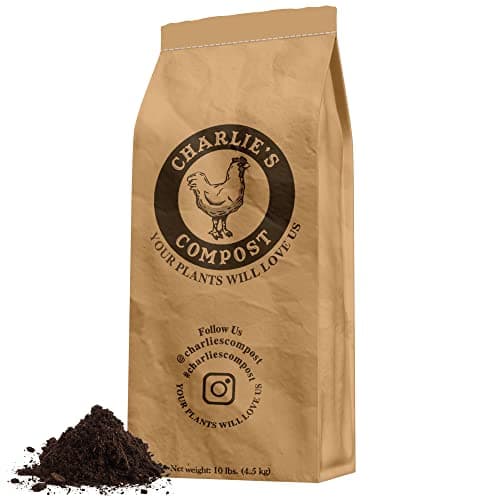 Top pickCharlie's CompostComposted poultry litter with mineral additions | A compost boost, not a fill | 8.4 | $26.99 - View on Amazon |
| 2 | 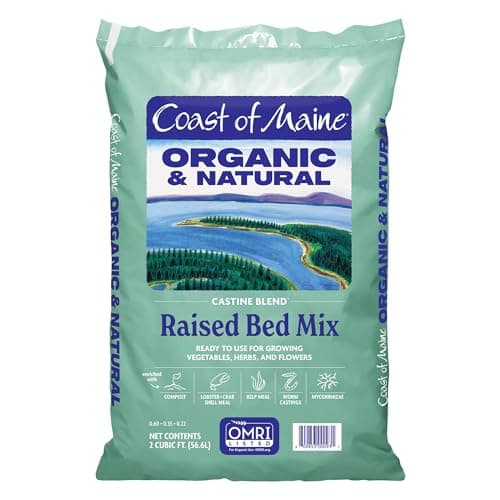 Coast of Maine Castine Blend Raised Bed MixCompost-rich blend with castings, kelp and biochar | A bed you fill once and feed | 9.0 | $43.69 - View on Amazon |
| 3 | 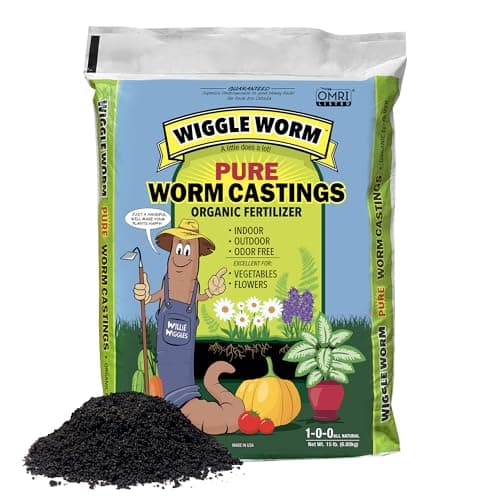 Wiggle Worm Pure Earthworm CastingsPure castings, used at low rates | Topping up a tired bed | 8.8 | $26.75 - View on Amazon |
#ad We may earn a commission - Price as of October 17, 2026
Scores are our own editorial judgment, formed from published specifications and independent sources. They are not aggregated customer ratings, and they are not the result of hands-on testing, which we do not currently do. See how we choose.
If you are choosing between bagged compost products rather than between compost and manure, the best compost for raised beds compares them directly. And if the real question is whether the bed needs feeding at all, do you need to fertilize raised beds? answers it before you spend anything.
Making your own, which changes the economics
The cheapest compost is the one you make. A bed that needs five cubic feet of compost a year is a bed that a single backyard bin can nearly supply, and the input -- kitchen scraps and yard waste -- is otherwise going in a bag to landfill. That is the argument for a bin rather than a bag, and composting for beginners is the starting point.
Hot composting matters here for a specific reason: a pile that reaches and holds high internal temperatures kills weed seed and pathogens, and a cold pile does not. If you intend to compost manure or bedding at home and then use it on salad crops, hot composting is the process you need, not a heap in the corner.
The picks in full
Top pick
Charlie's Compost
Charlie's Compost
A strong, genuinely composted amendment for beds that have been growing hard -- potent enough that the application rate matters.
There is a real difference between bulk compost, which you use by the cubic foot to build soil volume, and a concentrated composted amendment, which you use by the handful to feed one. This is the second kind.
The best use is a bed going into its second or third season, where the original fill has been cropped hard and has slumped. Blend a modest amount into the top few inches before planting rather than spreading it on top.
Follow the rate on the bag. More is not better with a concentrated amendment, and an over-fed bed grows leaf at the expense of fruit.
What works
- Noticeably potent compared with generic bagged compost
- Fully composted, so it can be used at planting time
- Small bag goes a long way
- Good for restarting a bed that has been cropped hard
What does not
- Concentrated enough that over-application is a real mistake
- Priced as an amendment, not a fill
- Has a distinct smell when first opened
Skip it if: you want bulk volume. This is a concentrated amendment and using it like bulk compost is expensive and unnecessary.
| Type | Composted amendment |
|---|---|
| Listed inputs | Composted poultry litter, forest products, clay, mineral additions |
| Use | Blended into the root zone at modest rates |
| Bag size | Commonly 10 lb |
A bed you fill once and feed
Coast of Maine Castine Blend Raised Bed Mix
Coast of Maine
The premium bagged mix: a genuinely complex blend rather than peat with a handful of fertilizer, and it shows in the second season.
Bagged raised bed mixes vary enormously, and the ingredient list is how you tell them apart. A cheap mix is mostly peat or bark fines with a starter fertilizer. This one lists compost, worm castings, kelp, biochar and crustacean meal, which is a different product doing a different job.
The practical difference shows up in year two. Simple mixes slump and compact; a compost-rich, biologically active blend keeps its structure and keeps releasing nutrients.
Use it where it counts. Vegetable roots mostly live in the top 10 to 12 inches, so put the good mix there and use cheaper bulk material below. Filling a 17-inch bed entirely with premium bagged mix is how people end up spending more on soil than on the bed.
What works
- Genuinely diverse ingredient list, not a peat-and-fertilizer mix
- Holds structure rather than compacting over a season
- Biologically active, so it keeps improving
- Works straight from the bag with no amending
What does not
- Among the most expensive options per cubic foot
- Regional availability varies
- Overkill as bulk fill for a deep bed
Skip it if: you are filling a large bed from empty. At premium prices per cubic foot, a full fill costs more than the bed did.
| Type | Ready-to-use raised bed mix |
|---|---|
| Listed inputs | Compost, worm castings, kelp, biochar, greensand, crustacean meal |
| Use | Fill the top layer, or top up each spring |
| Bag size | Commonly 1 and 2 cu ft |
Topping up a tired bed
Wiggle Worm Pure Earthworm Castings
Wiggle Worm
The concentrate: a small amount worked into the root zone does more than a much larger volume of ordinary compost.
Castings are what a worm bin produces, and they are the most concentrated common soil amendment available in a bag. The useful property is that they are gentle -- unlike fresh manure, castings will not scorch a seedling.
Use them where roots will find them: a handful in each planting hole, or a thin layer raked into the top few inches before planting. Spreading them thinly across an entire bed is largely wasted.
If this becomes a regular purchase, that is the argument for a worm bin. You would be making the same material at home from material you currently throw away.
What works
- Very effective at small application rates
- Will not burn seedlings the way raw manure can
- Improves structure as well as feeding
- Stores well between seasons
What does not
- Expensive by volume
- Too dense to use as a bulk fill
- Easy to overuse and waste
Skip it if: you are trying to add volume. Castings are an amendment, not a fill -- a bed of pure castings is both wasteful and too dense.
| Type | Pure earthworm castings |
|---|---|
| Use rate | Worked in at low rates, not used as a bulk fill |
| Texture | Fine, dark, uniform |
| Bag size | Commonly 15 and 30 lb |
Common questions
Is compost or manure better for a vegetable garden?
Compost, for most raised beds. It adds organic matter and improves structure while releasing a modest, balanced amount of nutrition. Manure is a strong nitrogen input that needs careful timing and carries a pathogen risk when raw. Composted manure is the middle ground and is safe to use at planting.
How long after adding manure can I plant vegetables?
For raw manure, allow at least 120 days before harvesting crops whose edible parts touch the soil -- lettuce, carrots, potatoes, strawberries -- and at least 90 days for crops held clear of it, such as staked tomatoes or sweet corn. In practice this means applying raw manure in fall. Composted manure has no waiting period.
Can I put fresh manure in a raised bed?
Only in fall, well ahead of planting, and never on a bed you will harvest salad from within four months. Fresh manure is high enough in ammonia to burn roots, carries weed seed, and can carry human pathogens that survive in soil for months. Composted manure avoids all three problems.
Is composted manure the same as compost?
Not quite. Compost is typically plant-based and is a soil conditioner first. Composted manure has been through the same hot process but starts from animal manure, so it is richer in nitrogen and works as both a conditioner and a feed. Use it at the rate on the bag rather than spreading it like compost.
Which manure is best for vegetables?
Composted cattle or poultry manure from a bag is the safest and most predictable. Poultry is the strongest and needs modest rates; cattle is milder and bulkier. Avoid uncomposted horse manure unless you know the pasture was not sprayed with persistent broadleaf herbicides, and never use dog, cat or pig manure.
Sources
Factual claims on this page are backed by the published sources below, and product specifications are the manufacturers’ own. Where a figure is not published, we say so rather than estimating it.