Step 2 - Soil & Fill
Do You Need to Fertilize Raised Beds?
A new bed filled with a good mix usually does not. A third-year bed growing heavy feeders usually does. Here is how to tell which you have.
Janet H. - the hands-on owner behind Janet Media Group.
Published
This page contains affiliate links. If you buy through them we may earn a commission at no cost to you, and it never decides what we recommend. How this site is funded.
A raised bed filled with a good compost-rich mix does not need fertilizer in its first season -- the mix already contains more nutrition than a single crop will use. From the second or third season onward it does need feeding, and for most gardens an annual inch or two of compost topped up in spring is the whole answer. Reach for a bagged fertilizer when you are growing heavy feeders, when growth is visibly poor, or when a soil test tells you something specific is short.
Why a new bed does not need it
A purpose-made raised bed mix is largely compost, and compost is both a nutrient source and a slow-release one. Adding fertilizer on top of a fresh compost-rich fill is, at best, money spent on nutrients the plants cannot use this year. At worst it pushes excess nitrogen, which gives you large leafy plants that flower and fruit poorly -- the classic all-leaves-no-tomatoes result.
This is the single commonest first-year mistake in raised beds, and it comes from applying in-ground gardening habits to a container of manufactured soil. If you filled the bed properly, you have already fertilized it. The raised bed soil mix recipe sets out what a good fill actually contains.
Why a third-year bed does
Three things happen over the first few seasons. The organic matter decomposes and the bed level drops, typically an inch or two a year. Crops remove nutrients and you carry them away in the harvest. And rainfall and watering leach the soluble nutrients -- nitrogen especially -- down and out through the base, which happens faster in a raised bed than in the ground precisely because the drainage is better.
So a bed left alone gets gradually less productive, and the decline is slow enough that people blame the weather or the seed. The fix is routine rather than rescue.
Quick picks
| # | Product | Best for | Score | Price |
|---|---|---|---|---|
| 1 | 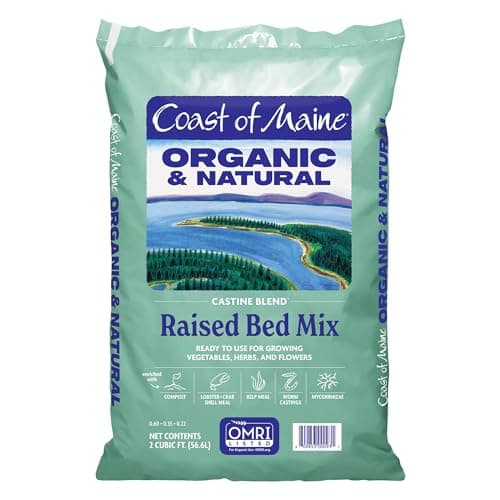 Top pickCoast of Maine Castine Blend Raised Bed MixCompost-rich blend with castings, kelp and biochar | A bed you fill once and feed | 9.0 | $43.28 - View on Amazon |
| 2 | 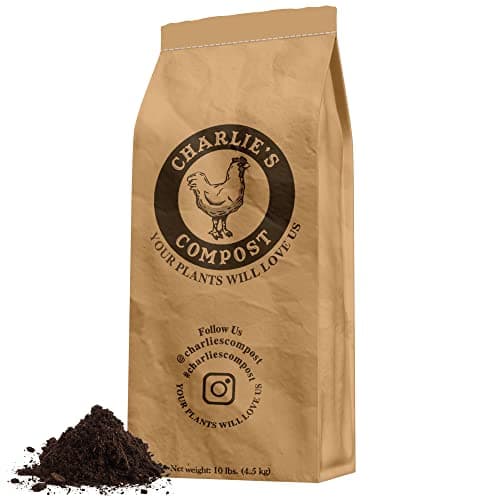 Charlie's CompostComposted poultry litter with mineral additions | A compost boost, not a fill | 8.4 | $26.99 - View on Amazon |
| 3 | 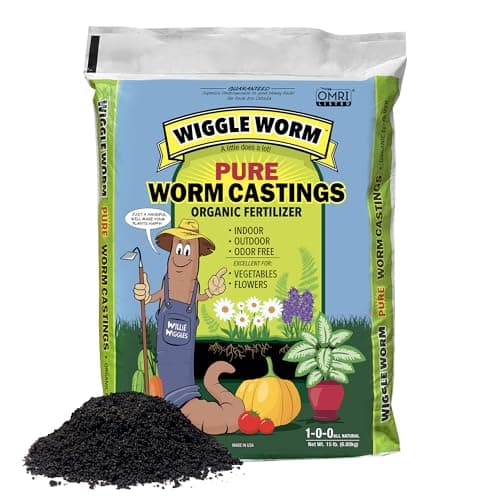 Wiggle Worm Pure Earthworm CastingsPure castings, used at low rates | Topping up a tired bed | 8.8 | $26.75 - View on Amazon |
| 4 | 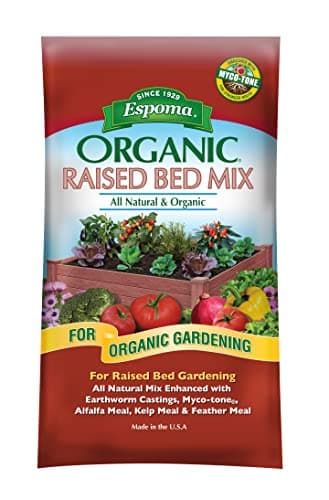 Espoma Organic Raised Bed MixPurpose-made raised bed mix, widely stocked | The simple bagged default | 8.7 | $29.61 - View on Amazon |
#ad We may earn a commission - Price as of October 10, 2026
Scores are our own editorial judgment, formed from published specifications and independent sources. They are not aggregated customer ratings, and they are not the result of hands-on testing, which we do not currently do. See how we choose.
The annual routine
- 1
Top up with compost each spring
An inch or two spread over the surface. This replaces the volume that decomposed and most of the fertility that went with it. For the great majority of beds, this is all that is needed.
- 2
Do not dig it in
Spread it on top and let worms and water take it down. Digging destroys the structure the bed has been building and brings weed seed to the surface.
- 3
Add a balanced organic feed only for heavy feeders
Tomatoes, peppers, squash, sweetcorn, brassicas. Applied at planting, following the product's own rate -- not by eye.
- 4
Side-dress mid-season if growth stalls
A light application alongside the plants, watered in. This is the response to a visible problem, not a scheduled step.
- 5
Test the soil every few years
A lab test through your state extension service is inexpensive and is the only way to know about pH, phosphorus and potassium rather than guessing.
Which crops actually need feeding
| Crop group | Needs | What to do |
|---|---|---|
| Tomatoes, peppers, eggplant | Heavy, and they want potassium once fruiting | Compost plus a balanced feed at planting |
| Squash, pumpkins, sweetcorn, cucumbers | Heavy | Compost plus a balanced feed at planting |
| Brassicas | Heavy, nitrogen in particular | Compost plus a feed, and a mid-season side-dress |
| Leafy greens, lettuce, spinach, chard | Moderate; respond to nitrogen | Compost is usually enough |
| Root crops -- carrots, parsnips, beets | Low, and excess nitrogen is harmful | Compost only. Nitrogen gives forked, leafy, hairy roots |
| Peas and beans | Low -- they fix their own nitrogen | Compost only. Do not add nitrogen |
| Mediterranean herbs | Very low | Nothing. Rich soil gives soft, less aromatic growth |
Two rows there matter more than the rest. Root crops and legumes are actively harmed by generous feeding, and they are the crops people most often feed out of habit.
Compost or fertilizer: they do different jobs
Compost adds organic matter, improves structure and water holding, feeds soil organisms, and supplies a broad range of nutrients slowly. It is the thing a raised bed needs annually and forever, because the bed level literally drops without it.
Fertilizer supplies specific nutrients, usually faster and in a concentrated form. It does nothing for structure, nothing for water holding and nothing for soil life. It is a targeted tool for a specific shortfall or a specific hungry crop.
They are not substitutes, and the mistake runs both ways: feeding a bed that needs organic matter does not fix it, and topping a bed with compost does not quickly correct a real potassium deficiency. The best compost for raised beds covers the amendment side, and the best soil for raised garden beds covers the fill.
Making your own, which closes the loop
A raised bed wants an inch or two of compost every year, forever. That is a recurring bill if you buy it bagged, and it is free if you make it -- which is why composting is step four of five in our buying order rather than an optional extra for enthusiasts.
Home compost is not identical to bagged: it is more variable and generally lower in available nitrogen than a fortified bagged product. For the annual top-up that does not matter at all, which is the job it is best at. The best compost bin for beginners covers getting started.
Reading the plants
- Pale, uniformly yellowing older leaves with slow growth -- the classic nitrogen shortage. A side-dress and a watering in is the response.
- Lots of leaf, few flowers or fruit -- too much nitrogen. Stop feeding and wait; it corrects itself.
- Purple tinting on leaves and stems early in the season -- often cold soil rather than phosphorus. Wait for warmth before concluding anything.
- Yellowing between the veins on younger leaves -- possible micronutrient issue or a pH problem, which is a case for a soil test rather than a guess.
- Everything slightly smaller each year -- the normal raised bed decline. Compost, annually.
Diagnosing from leaves is genuinely unreliable, because drought, waterlogging, cold and root damage all produce similar symptoms. If a bed is consistently underperforming, a lab soil test through your extension service answers in one go what months of guessing will not.
And check the obvious first: more raised bed problems are watering problems than nutrient problems. A bed that dries out between waterings cannot take up nutrients that are sitting there in dry soil.
Common questions
Do raised garden beds need fertilizer?
Not in the first season, if the bed was filled with a good compost-rich mix -- that already contains more nutrition than one crop will use. From the second or third season onward it does, and for most gardens an annual inch or two of compost spread on the surface in spring is enough.
How often should you fertilize a raised bed?
Top up with compost once a year, every year. Add a balanced organic fertilizer at planting only for heavy feeders -- tomatoes, peppers, squash, sweetcorn and brassicas -- and side-dress mid-season only if growth visibly stalls. Root crops, peas and beans should not be fed.
Is compost enough, or do I need fertilizer too?
Compost is enough for leafy greens, roots, legumes and herbs, and it is the thing a bed needs annually regardless. Heavy feeders benefit from a balanced feed as well. They do different jobs: compost builds structure and soil life, fertilizer supplies specific nutrients quickly.
Can you over-fertilize a raised bed?
Yes, and more easily than open ground, because there is a fixed volume of soil with nowhere for the excess to disperse. Too much nitrogen gives leafy plants that flower and fruit poorly, and repeated heavy feeding can build up salts that damage roots. Measure the area and use the label rate.
Why is my raised bed less productive than last year?
Normal decline. The organic matter decomposes so the level drops, crops remove nutrients that leave in the harvest, and good drainage leaches soluble nitrogen out through the base faster than in open ground. An annual inch or two of compost on the surface is the routine fix.
Should I dig compost into a raised bed or leave it on top?
Leave it on top and let worms and water take it down. Digging breaks up the soil structure the bed has been building, disturbs fungal networks and brings weed seed to the surface. Surface application is less work and gives a better result.
Sources
Factual claims on this page are backed by the published sources below, and product specifications are the manufacturers’ own. Where a figure is not published, we say so rather than estimating it.