Step 3 - Seed Starting
Damping Off in Seedlings, and How to Stop It
Healthy seedlings on Monday, flat on the tray by Wednesday. It is a fungal problem, and it is almost entirely preventable.
Janet H. - the hands-on owner behind Janet Media Group.
Published
This page contains affiliate links. If you buy through them we may earn a commission at no cost to you, and it never decides what we recommend. How this site is funded.
Damping off is a fungal disease of seeds and young seedlings, caused by soil organisms including Pythium, Rhizoctonia and Fusarium. The classic sign is a seedling that was fine yesterday lying flat today with a thin, dark, water-soaked pinch at soil level. There is no cure once a seedling has collapsed -- the stem is destroyed -- so the whole of the answer is prevention: clean containers, a sterile seed starting mix, warmth to speed germination, good air movement, bottom watering, and taking the humidity dome off the moment seedlings emerge.
What it looks like, and what it is not
| Symptom | Damping off | Something else |
|---|---|---|
| Seedling flat, stem pinched and dark at soil level | Yes -- this is the signature | - |
| Seeds never came up at all | Possible: pre-emergence damping off rots the seed | Also old seed, sown too deep, or soil too cold |
| Whole seedling wilted but stem firm | No | Dry mix, or roots cooked on a heat mat left on too long |
| Lower leaves yellowing, growth slow, stem fine | No | Nutrient exhaustion after the first true leaves |
| Long pale stems, seedlings upright | No | Not enough light intensity -- legginess, not disease |
| White fuzzy growth on the mix surface | Not itself damping off | Harmless saprophytic mold, but it signals the conditions that cause it |
That last row is the useful early warning. Fuzzy white growth on the surface of a tray is not the pathogen, but it tells you the tray is too wet, too still and too warm -- which is exactly the combination damping off needs. Improve the airflow and ease off the watering before anything collapses.
The conditions it needs
- Persistently wet medium. Not damp -- wet. The pathogens are water molds; they move through films of water in the mix.
- Still, saturated air. A humidity dome left on after germination is the single most common cause.
- Cool soil and slow germination. The longer a seed sits in the mix before emerging, the longer it is vulnerable. Warmth shortens that window.
- Contaminated containers or medium. Garden soil, reused unwashed trays, last year's mix left open in the shed.
- Overcrowded sowing. Dense seedlings hold moisture between them and block airflow at the base.
- Too little light. Weak, slow-growing seedlings stay susceptible for longer than vigorous ones.
Preventing it
- 1
Start with a clean, sterile seed starting mix
A bagged seed mix is processed and clean. Garden compost and garden soil both carry the pathogens, and a tray of seedlings is the most vulnerable thing in the garden to them.
- 2
Wash reused trays
Hot soapy water and a scrub, then a rinse, before each season. If a tray had damping off last year, wash it properly or do not reuse it.
- 3
Sow thinly and at the right depth
Crowded seedlings trap moisture at the base. Sowing too deep extends the time underground, which is exactly the vulnerable window.
- 4
Use bottom heat to get them up fast
A heat mat does not prevent the fungus directly; it shortens germination time, which is one of the few variables you fully control. Take the tray off the mat once seedlings are up.
- 5
Take the dome off the moment seedlings emerge
The dome is for germination only. Left on, it holds the still, saturated air the fungus needs, and a tray can collapse overnight.
- 6
Water from below, and let the surface dry
Bottom watering keeps the medium evenly damp and the surface drier, which is the opposite of what the pathogen wants. Empty any standing water from the tray afterwards.
- 7
Run a small fan on low
Gentle constant air movement dries the surface, strengthens stems and is probably the highest-value single change most people can make.
When a tray is already going
You cannot save a collapsed seedling. What you can do is stop it spreading through the rest of the tray, and that is worth acting on the same day you see it.
- Remove the affected seedlings and the mix immediately around them, and throw them out rather than composting them.
- Take the dome off permanently and move the tray somewhere with better air movement.
- Stop watering until the surface is genuinely dry. Seedlings tolerate a dry surface far better than they tolerate the fungus.
- Separate the tray from your other trays. Splash and shared water carry it.
- If more than a third of the tray has gone, re-sow. Survivors from a badly affected tray are usually checked enough that a fresh sowing catches them up.
- Sterilize the tray before reusing it, and start the new sowing in fresh mix.
Cinnamon and chamomile tea are widely recommended as home remedies. Evidence for them is thin, and neither addresses the water-and-air conditions that caused the problem. Fix the conditions first; anything else is at best a small extra.
The setup that avoids it
In practice, a tray that never gets damping off has a fairly specific setup: clean heavy-gauge trays, a bagged seed starting mix, bottom heat until emergence, a dome removed the day seedlings appear, a light close over the canopy, a fan on low, and water from below rather than above. That is not a long list, and nothing on it is expensive.
The one thing that is easy to get wrong afterwards is feeding. Seedlings exhaust the seed's reserves once the first true leaves appear, and a stalled, hungry seedling stays vulnerable for longer. The best seed starting mix covers the handover from starting mix to a richer medium.
What to buy
The products that fit the advice above, chosen by the process on our how we choose page. We have not hands-on tested them; specifications are the manufacturers’ own.
Quick picks
| # | Product | Best for | Score | Price |
|---|---|---|---|---|
| 1 | 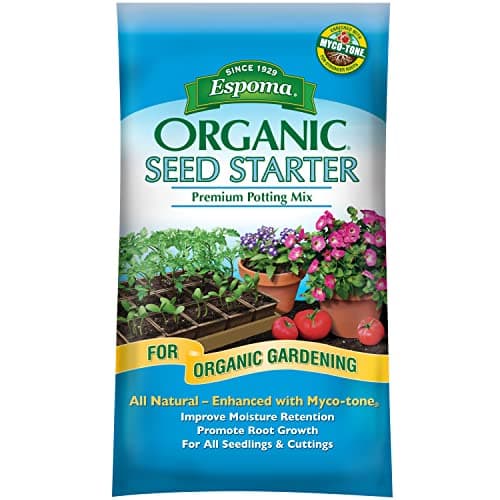 Top pickEspoma Organic Seed Starter MixFine, low-nutrient starting medium | Most seed trays | 8.9 | $23.16 - View on Amazon |
| 2 | 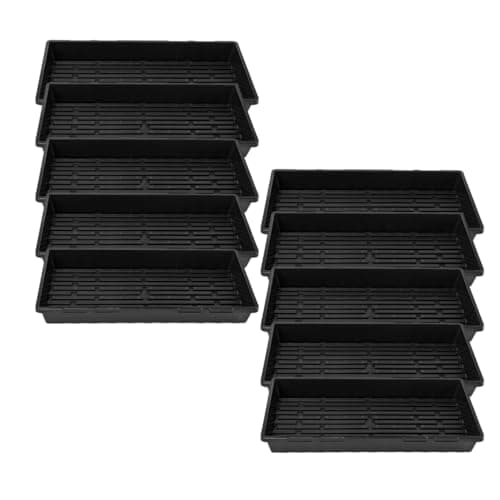 Bootstrap Farmer 1020 Seed TraysHeavy-gauge 1020 trays, reusable for years | Trays that last more than one season | 8.5 | $66.49 - View on Amazon |
| 3 | 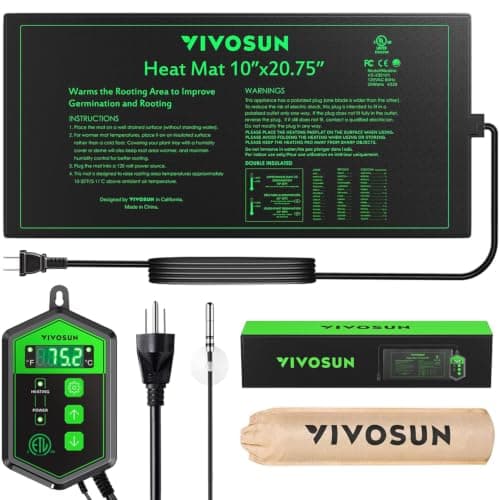 VIVOSUN Seedling Heat MatWaterproof mat sized for 1020 trays | Peppers, tomatoes and slow germinators | 8.8 | $30.99 - View on Amazon |
#ad We may earn a commission - Price as of October 17, 2026
Scores are our own editorial judgment, formed from published specifications and independent sources. They are not aggregated customer ratings, and they are not the result of hands-on testing, which we do not currently do. See how we choose.
Common questions
What is damping off?
A fungal disease of seeds and young seedlings caused by soil-borne organisms including Pythium, Rhizoctonia and Fusarium. It rots the stem at soil level, so the seedling topples over with a thin, dark, water-soaked pinch at the base. It can also kill seeds before they emerge, which looks like poor germination.
Can seedlings recover from damping off?
No. Once the stem has been destroyed at soil level the seedling cannot be saved. What you can do is remove affected seedlings and the mix around them immediately, improve airflow, stop watering until the surface dries, and keep the tray away from your others so it does not spread.
How do I prevent damping off?
Use a clean bagged seed starting mix rather than garden soil, wash reused trays, sow thinly, use bottom heat so seeds emerge quickly, remove the humidity dome the moment seedlings appear, water from below and let the surface dry, and run a small fan on low for constant gentle air movement.
Is the white fuzzy mold on my seed tray damping off?
Not usually -- surface mold is typically a harmless saprophytic fungus. But it is a reliable warning sign, because it means the tray is too wet, too still and too warm, which is exactly the combination damping off needs. Improve the airflow and ease off watering before seedlings start collapsing.
Does cinnamon stop damping off?
Evidence for cinnamon and similar home remedies is thin, and none of them changes the conditions that caused the problem. Air movement, bottom watering, a clean sterile mix and removing the humidity dome on time are what actually prevent it. Treat any home remedy as an extra, not a substitute.
Should I use a heat mat to prevent damping off?
Indirectly, yes. Bottom heat speeds germination, and the time a seed spends in the mix before emerging is the window in which it is most vulnerable. Take the tray off the mat once the seedlings are up -- continued heat under a damp tray works against you from that point on.
Sources
Factual claims on this page are backed by the published sources below, and product specifications are the manufacturers’ own. Where a figure is not published, we say so rather than estimating it.