Step 5 - Greenhouses
Where to Put a Greenhouse in Your Yard
Six hours of winter sun, out of the prevailing wind, within reach of a hose. Everything else is negotiable.
Janet H. - the hands-on owner behind Janet Media Group.
Published
This page contains affiliate links. If you buy through them we may earn a commission at no cost to you, and it never decides what we recommend. How this site is funded.
Put a greenhouse where it gets the most winter sun -- an open, south-facing position with at least six hours of direct light in midwinter -- sheltered from the prevailing wind, on level ground that does not collect water, and close enough to the house that a hose reaches it and you will walk out in February. Sun is the first criterion and it is not close: a sheltered, convenient, beautifully leveled greenhouse in shade will not grow anything in the months you bought it for.
The criteria, in priority order
- Winter sun. Summer light is abundant everywhere. What distinguishes a good site is light in November through February, when the sun is low and every fence, hedge and roofline throws a long shadow.
- Shelter from wind. Wind destroys more hobby greenhouses than snow does, and it also strips heat out of a structure faster than anything else. A site with a windbreak at a distance is worth several degrees.
- Drainage and level ground. A greenhouse in a hollow collects cold air and standing water. Both are serious; both are hard to fix afterward.
- Water within reach. Watering under cover is a daily job in summer. A hose that reaches, or a water barrel on a downpipe at the greenhouse, is the difference between use and neglect.
- Access and proximity. Wide enough to get a barrow in, close enough that you check it on a cold night. Greenhouses at the far end of long gardens get used in May and forgotten in January.
- Power, if you will ever heat it. Running a safe outdoor circuit later is far more expensive than siting near an existing one now.
Orientation: the part that is overthought
For a freestanding hobby greenhouse, orientation matters much less than people expect, and the honest answer is that the open position matters more than the compass. The conventional advice is to run the ridge east to west, so one long side faces south and catches the low winter sun across its full length. That is marginally better for winter growing, and it is the right default if you have a genuinely free choice.
A north-south ridge gives more even light along both sides through the growing season and slightly less winter gain. Either works. What does not work is a site where a building or a conifer hedge sits to the south, and no orientation decision rescues that.
Lean-to and against-the-wall structures are the one case where orientation is decisive: a south-facing wall is excellent, east and west are workable, and north is not worth building against.
| Site | The problem | Can it be fixed? |
|---|---|---|
| North side of the house or a tall fence | In shadow for most of the winter | No. Move the greenhouse |
| Under or near large trees | Shade, sap, leaf litter, falling branches, root competition | Only by removing the tree |
| A dip or the bottom of a slope | Cold air pools there; water collects | Partly, with drainage and a raised base |
| An exposed corner or a gap between buildings | Wind funnels and accelerates through gaps | Partly, with a permeable windbreak |
| Right against a solid fence or wall on the windward side | Turbulence and eddies on the lee side stress the glazing | Yes -- leave a gap, or move |
| Over a septic field, soakaway or buried service | You will eventually need to dig there | No. Check before you build |
Quick picks
| # | Product | Best for | Score | Price |
|---|---|---|---|---|
| 1 | 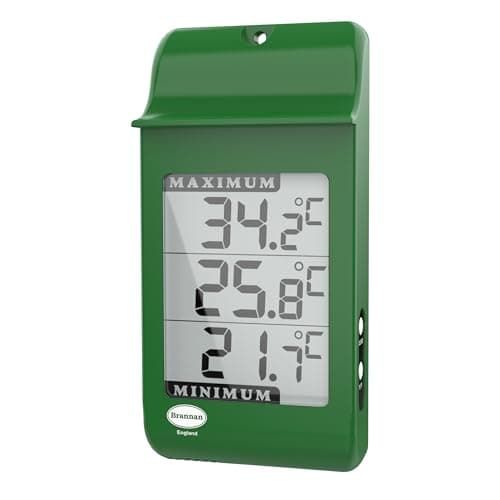 Top pickMin/Max Greenhouse ThermometerRecords the high and low since last reset | Knowing what actually happened overnight | 8.6 | $13.95 - View on Amazon |
| 2 | 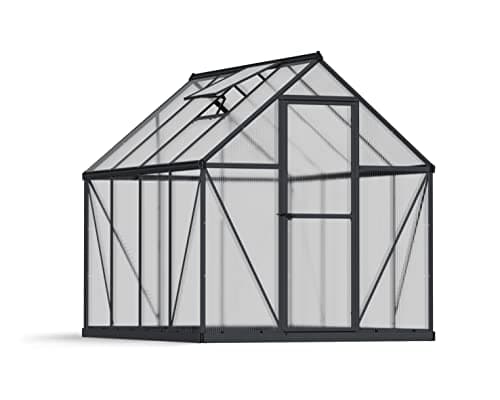 Palram Canopia Mythos GreenhouseAluminum frame, 4 mm twin-wall polycarbonate | A first real greenhouse | 9.0 | Check price on Amazon |
| 3 | 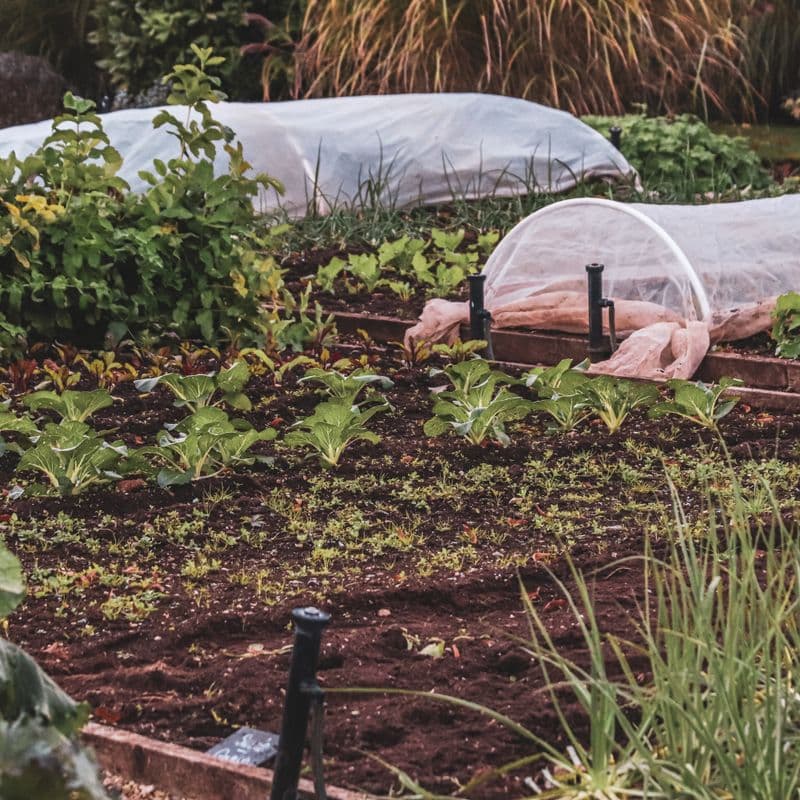 Agribon AG-19 Floating Row Cover0.55 oz/sq yd fabric, about 85% light transmission | A few degrees for almost no money | 8.4 | Check price on Amazon |
#ad We may earn a commission - Price as of October 11, 2026
Scores are our own editorial judgment, formed from published specifications and independent sources. They are not aggregated customer ratings, and they are not the result of hands-on testing, which we do not currently do. See how we choose.
Checking the sun properly, before you build
Do this in winter if you possibly can, because a site assessed in June is not the site you are buying. Stand in the proposed spot mid-morning, midday and mid-afternoon on a clear winter day and note what is in shadow. If you are planning in summer, remember that the sun will be considerably lower and further south in December -- shadows from anything to the south will be two or three times longer.
Six hours of direct winter sun is the working target. Four will grow hardy salads and overwinter plants but will not do much for early sowings. Under about three hours and you have a storage shed with transparent walls.
Wind, and what a windbreak should look like
A solid barrier close to a greenhouse is worse than no barrier at all. Wind hitting a solid fence lifts over it and comes down in turbulent eddies on the other side, and those eddies -- rather than steady wind -- are what pop glazing panels out of their clips. A permeable windbreak, such as a hedge, slatted fence or netting, filters the wind instead of deflecting it and protects a distance of several times its own height downwind.
Leave a gap between the greenhouse and any wall or fence -- enough to walk through if you can, because you will need to reach the far side to clean glazing and clear gutters. On a genuinely exposed site the structure choice itself changes, and the best greenhouse for high winds covers frame gauge, glazing retention and anchoring for those conditions.
What you are standing it on
- Bare soil, leveled: cheapest, lets you plant directly into borders, and the soil moderates temperature. Needs a base frame or anchors, and weeds come up inside.
- Paving slabs or pavers: tidy, stable, easy to clean and hose down. Slightly colder underfoot and you grow in containers and beds rather than the ground.
- A gravel pad over membrane: good drainage, good value, forgiving of a slightly uneven site. Our default recommendation for a kit greenhouse.
- A perimeter of slabs with soil in the middle: the best of both -- firm footing and an anchorable edge, with growing soil inside.
- A full concrete slab: permanent, dead level, and the most expensive. Overkill for a hobby kit unless you are building something substantial.
- Decking or timber: avoid. It moves, it rots, and anchoring into it is not secure.
Whatever the base, the structure has to be anchored to it -- a kit greenhouse is light, and an unanchored one is a kite. Most kits sell a base frame as an accessory and it is worth having, because it gives you a square, rigid, anchorable perimeter rather than bolting an aluminum frame straight into gravel. Complete greenhouse kits is honest about which kits include a base and which leave you to buy one.
Space around it, which gets forgotten
Leave at least 18 inches on every side, and more if you can. You need access to clean the outside of the glazing, which makes a real difference to winter light, to replace a panel, to clear gutters and to get at the vents. A greenhouse wedged into a corner with 4 inches behind it is a greenhouse whose back wall will never be cleaned.
Think about the door opening too -- a hinged door needs swing room and a sliding door needs clearance alongside. And plan the path: a soft lawn route becomes a mud track by March, and getting a full barrow of bagged mix to the door is a job you will do more than once. The footprint question is covered in what size greenhouse do I need?, which is the page to read before you measure the gap.
If the perfect site does not exist
Most gardens do not have one. Prioritize sun and accept a compromise on everything else: a slightly awkward walk, a less-than-ideal orientation, or a windbreak you have to plant. The one compromise not to make is shade, and the second is a site that floods.
If there genuinely is no sunny spot big enough, a smaller structure in the one sunny corner beats a large one in shade -- small greenhouse kits covers that end of the range, and greenhouse vs cold frame is worth reading before you assume you need a walk-in building at all.
Common questions
Where is the best place to put a greenhouse in a yard?
An open, south-facing position with at least six hours of direct winter sun, sheltered from the prevailing wind by a permeable windbreak at a distance, on level well-drained ground, and close enough to the house that a hose reaches it. Sun is the first criterion and the others are negotiable.
Which way should a greenhouse face?
For a freestanding hobby greenhouse, running the ridge east to west puts one long side toward the low winter sun and is marginally the best default. North to south gives more even light through the growing season. Either works -- an open position matters far more than the compass. For a lean-to, a south-facing wall is decisive.
How much sun does a greenhouse need?
Aim for six hours of direct sun in midwinter. Four hours will overwinter hardy plants and grow salads but will not support early sowings. Below about three hours of winter sun the structure will not do the job you bought it for, and no amount of heating compensates for missing light.
Can you put a greenhouse next to a fence?
Yes, but leave a gap -- at least 18 inches, ideally enough to walk through. You need access to clean the glazing and clear gutters, and a solid fence immediately upwind creates turbulent eddies on the lee side that stress glazing clips more than steady wind does.
What should a greenhouse sit on?
A gravel pad over membrane is the best value for a kit greenhouse; a slab perimeter with soil in the middle is the best compromise if you want to plant directly into the ground. Avoid decking and timber, which move and rot. Whatever the base, anchor the frame to it -- a kit greenhouse is light enough to be lifted by wind.
Sources
Factual claims on this page are backed by the published sources below, and product specifications are the manufacturers’ own. Where a figure is not published, we say so rather than estimating it.