Step 5 - Greenhouses
Do I Need a Greenhouse Heater?
The answer depends on one number you probably have not measured yet, and on whether you want frost protection or winter growing.
Janet H. - the hands-on owner behind Janet Media Group.
Published
This page contains affiliate links. If you buy through them we may earn a commission at no cost to you, and it never decides what we recommend. How this site is funded.
You need a greenhouse heater if you want to keep anything alive that a hard frost would kill, or if you want to grow through a real winter rather than just overwinter hardy greens. You do not need one for spring seed starting in most climates, and you should not buy one until a min/max thermometer has told you what your greenhouse actually does overnight. Nearly everyone who regrets a heater bought it before measuring and then paid to run it harder than necessary.
Measure first. It costs almost nothing
A min/max thermometer records the highest and lowest temperature since you last reset it. Put one in the greenhouse at plant height, out of direct sun, and read it for two weeks. You will learn two things: how many degrees the structure holds overnight above outside, and how hot it gets at midday with the vent as you currently leave it.
Both numbers change the decision. If your greenhouse is holding four or five degrees overnight and your frosts are light, row cover inside may be all you need. If it is tracking outside almost exactly, you have a ventilation or sealing problem to fix before you spend anything on heat.
Frost protection or winter growing
| Frost protection | Winter growing | |
|---|---|---|
| Goal | Keep the inside just above freezing | Hold a working growing temperature |
| Typical use | Overwintering tender plants, protecting early sowings | Cropping through the cold months |
| Heat needed | Thermostatically controlled, runs rarely | Substantial and continuous |
| Running cost | Modest -- it only fires on cold nights | The main cost of the whole enterprise |
| Glazing that suits it | 4 mm twin-wall is workable | 10 mm twin-wall or better, or you are heating the sky |
| Honest verdict | Worth it for many gardens | Only with thick glazing and a clear reason |
Almost everyone asking this question wants the left column. Frost protection in a 4 mm kit, with a thermostat set just above freezing, is a reasonable thing to run: the heater only fires on the nights that would otherwise cost you plants.
Winter growing in a thin-glazed greenhouse is the expensive mistake. You are paying continuously to push heat out through 4 mm panels. If that is the goal, the glazing is the purchase, not the heater -- see the best greenhouse kits for winter.
Try these before a heater
- Fix the obvious leaks. A door that does not latch and a vent stuck open cost more heat than any heater will add back.
- Add row cover inside. Floating fabric draped over plants or over a low hoop buys a few degrees at almost no cost and no running cost at all.
- Group plants together, away from the glazing. The centre of the greenhouse is several degrees kinder than the panel edge on a cold night.
- Add thermal mass. Water-filled containers absorb heat during the day and release it overnight. Crude, free, and measurable.
- Move the tender plants indoors for the worst weeks. Often the cheapest answer of all.
If the thermometer still says you are losing plants after those, a heater is justified. That is the right order, and it is also the order that keeps the running cost down afterwards.
What to look for if you do buy one
- A splash-proof rating. A greenhouse is a wet environment with mains electricity in it. An IPX4-rated unit is the baseline; a household fan heater is not.
- A thermostat. Not a dial marked low-medium-high -- an actual temperature setpoint, so the unit fires only when it is needed. This is the single biggest factor in running cost.
- A fan. Moving air prevents cold pockets and reduces the damp still air that causes fungal problems in winter.
- A separate thermostat plug if the heater has none. A controller plug turns a cheap heater into a thermostatically controlled one for very little money.
Our greenhouse heaters page covers the specific models, including the controller-plug route for a heater that lacks a usable thermostat of its own.
Sizing it, roughly
Heat loss from a greenhouse scales with its glazed surface area and with how thin that glazing is, so the two numbers that set the requirement are the size of the structure and the panel thickness. A small 6 ft wide kit in 4 mm twin-wall needs meaningfully more heat per square foot of floor than an 8 ft kit in 10 mm, which is the counter-intuitive part: the bigger, better-glazed greenhouse is often the cheaper one to keep frost-free.
For frost protection in a typical hobby kit, a single thermostatically controlled 1500 W unit is the standard answer, and the thermostat means the wattage is a ceiling rather than a running cost. Two smaller units placed at opposite ends beat one large one for even temperature, if the circuit allows it.
We are not going to print a wattage-per-square-foot formula, because the honest inputs -- your overnight lows, your glazing, how well the door seals -- are things only your own thermometer knows. Measure for two weeks, then size.
What about the shoulder seasons
Spring is where a thermostatic frost-protection heater earns its keep most clearly. Seedlings hardening off in March are the plants most likely to be killed by one unexpected night, and they are also the plants you have invested the most time in. A heater set just above freezing for six weeks is cheap insurance on a whole season of propagation.
Autumn is the opposite. By then the crops in the greenhouse are mature and far more tolerant, and most of what you are protecting will be finished within weeks anyway. Let the structure do the work.
Still weighing up the structure itself? Is a greenhouse worth it sets out what the unheated version returns before any running cost enters the picture.
What to buy
The products that fit the advice above, chosen by the process on our how we choose page. We have not hands-on tested them; specifications are the manufacturers’ own.
Quick picks
| # | Product | Best for | Score | Price |
|---|---|---|---|---|
| 1 | 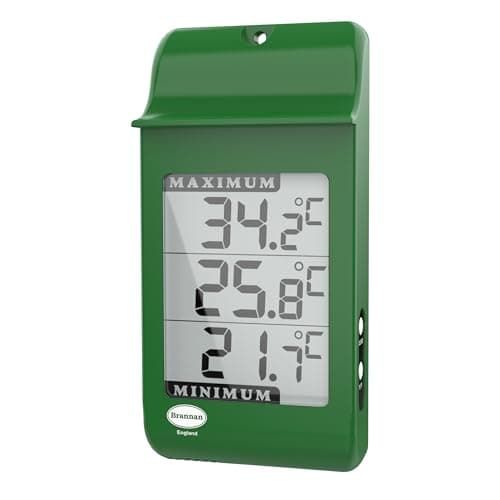 Top pickMin/Max Greenhouse ThermometerRecords the high and low since last reset | Knowing what actually happened overnight | 8.6 | $13.95 - View on Amazon |
| 2 | 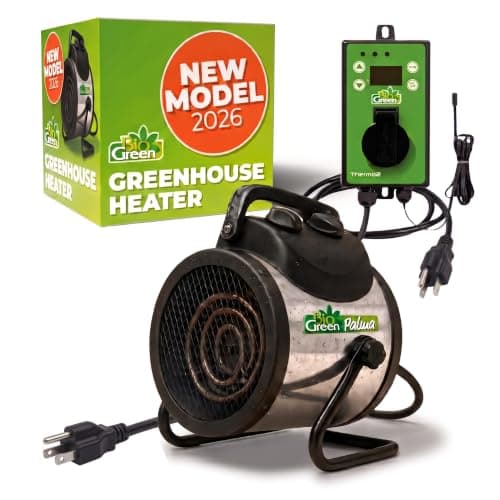 Bio Green Palma Greenhouse Heater1500 W, IPX4 splash-proof, digital thermostat | Frost protection you can set and leave | 9.0 | Check price on Amazon |
| 3 | 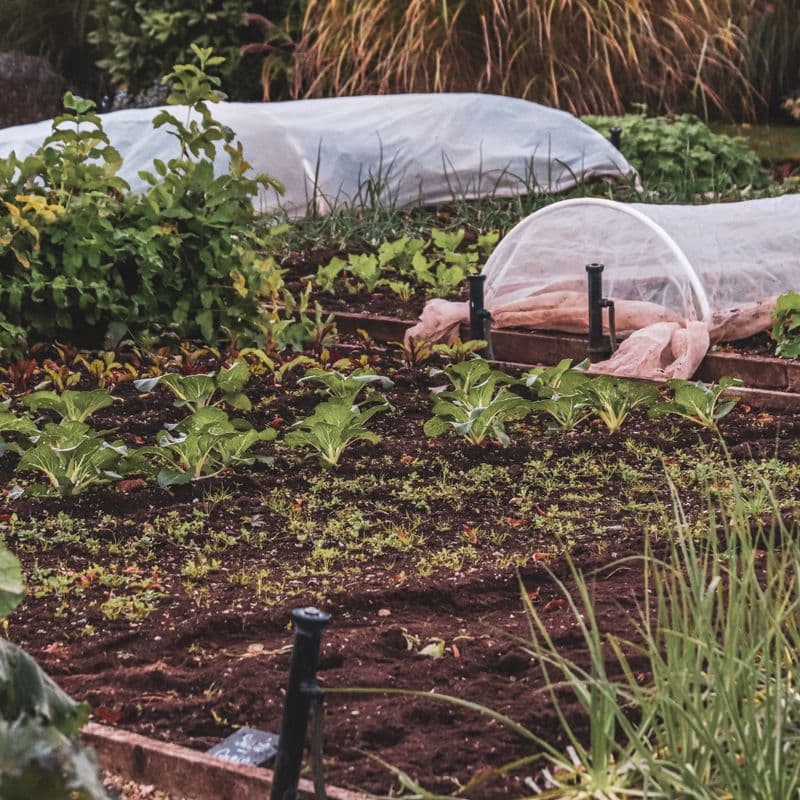 Agribon AG-19 Floating Row Cover0.55 oz/sq yd fabric, about 85% light transmission | A few degrees for almost no money | 8.4 | Check price on Amazon |
#ad We may earn a commission - Price as of October 10, 2026
Scores are our own editorial judgment, formed from published specifications and independent sources. They are not aggregated customer ratings, and they are not the result of hands-on testing, which we do not currently do. See how we choose.
Common questions
Do I need a heater in my greenhouse?
Only if you want to keep tender plants alive through frost, or to grow rather than just overwinter through the cold months. Spring seed starting in most climates does not need one. Measure your overnight lows with a min/max thermometer before buying, because the result often shows that row cover and fixing air leaks is enough.
What temperature should a greenhouse be kept at in winter?
For frost protection, just above freezing -- enough to stop ice forming on tender plants. For actually growing through winter you need a working growing temperature held continuously, which in a 4 mm twin-wall kit means heating against the glazing all season. The glazing is the limiting factor, not the heater.
How can I heat a greenhouse cheaply?
Reduce the losses first: latch the door, close the vent properly, group plants away from the panels, drape row cover over them and add water-filled containers as thermal mass. Then, if a heater is still needed, use a thermostatically controlled one set as low as the plants allow so it fires only on the coldest nights.
Can I use a household heater in a greenhouse?
No. A greenhouse is a wet environment with mains electricity in it, and ordinary room heaters are not rated for splashes or condensation. Use a unit with at least an IPX4 rating, a real thermostat and a fan, which also prevents the cold pockets and still damp air that cause winter fungal problems.
Does an unheated greenhouse stop frost?
Not reliably. It holds a few degrees over the outside temperature overnight, which keeps hardy greens going through cold spells but will not protect tender plants from a hard frost. Adding floating row cover inside buys a few more degrees for very little money.
Sources
Factual claims on this page are backed by the published sources below, and product specifications are the manufacturers’ own. Where a figure is not published, we say so rather than estimating it.