Step 5 - Greenhouses
Is a Greenhouse Worth It?
For some gardens it pays for itself in three seasons. For others it becomes an expensive shed. The difference is predictable.
Janet H. - the hands-on owner behind Janet Media Group.
Published
This page contains affiliate links. If you buy through them we may earn a commission at no cost to you, and it never decides what we recommend. How this site is funded.
A greenhouse is worth it if you start your own seeds every year, want to grow tomatoes or peppers in a short or cool summer, and have a sheltered spot with six or more hours of sun. In that case it pays back in two to three seasons in transplants you no longer buy and crops that now ripen. It is not worth it if you do not already garden consistently, if your summers are long and hot enough to ripen fruit outdoors, or if the only available site is shaded or exposed.
What a greenhouse actually does
An unheated greenhouse does four concrete things. It gives you a frost-free-ish space to raise transplants weeks before the garden is workable. It lets heat-loving crops ripen in a climate that would otherwise be marginal for them. It extends harvest at both ends of the year with hardy greens. And it gives you somewhere dry to work, which sounds soft and turns out to matter.
What it does not do is make winter go away. A structure with no heat source holds a few degrees over the outside temperature overnight -- enough to keep hardy greens alive, nowhere near enough for tomatoes in January. Anyone who expects a tropical house in December is disappointed, and that expectation is the main reason people conclude a greenhouse was not worth it.
Where the payback comes from
| Return | What it is | Depends on |
|---|---|---|
| Transplants you no longer buy | Every tomato, pepper, brassica and flower start you raise yourself | You already start seeds, or will |
| Crops that now ripen | Tomatoes, peppers, cucumbers, melons in a cool or short summer | Your climate being the limiting factor, not your sun |
| Season at both ends | Greens in late autumn and early spring | Willingness to sow in September and February |
| Overwintering and propagation | Keeping tender perennials, taking cuttings | Having plants you want to keep |
Notice that three of the four depend on a habit rather than on the structure. That is the whole answer to the question: a greenhouse amplifies an existing gardening habit and does almost nothing for a person who does not have one yet.
The four cases where it is not worth it
- You do not garden consistently yet. Build the raised bed habit first. A greenhouse is step five of five in our buying order for a reason.
- Your summers already ripen everything. If tomatoes and peppers crop reliably outdoors where you live, you are paying for a benefit you already have for free.
- The only site is shaded. A greenhouse is a light-collecting device. In under about six hours of sun it is a shed.
- The only site is badly exposed and you will not anchor properly. An unanchored greenhouse on a windy site is a short-term purchase. Either do the fixings properly or choose a cold frame.
If any of those describe you, the money is better spent on soil. A bed filled with a genuinely good mix returns more food per dollar than any structure -- see the best soil for raised garden beds.
The cheaper things that do most of the same work
A cold frame costs a small fraction of a greenhouse and delivers two of the four returns: hardening off, and a few weeks at each end of the season. A shelved mini frame does the balcony version. Floating row cover over a bed buys a few degrees for almost nothing. Grow lights indoors raise transplants without any structure at all.
Work through greenhouse vs cold frame before committing. A surprising number of people who want a greenhouse actually want a cold frame and a grow light, which together cost a fraction as much.
What it really costs
- The kit. The headline number, and not the whole number.
- A level base and anchors. Not optional, not in the box, and specific to your ground.
- Staging. Floor space is the least useful space; tiered staging roughly doubles what a small kit holds.
- A min/max thermometer. The cheapest item and the one that changes how you use the structure.
- Heat, if you want winter. This is where running costs appear. See do I need a greenhouse heater.
Add those up before judging value. The best greenhouse for the money works through which of the specification upgrades are worth paying for and which are not.
What changes in the second year
First-year greenhouse owners mostly use the structure in spring and then leave it half empty from July onwards. That is normal, and it is also where most of the unrealised value sits. The gardens that get a clear return are the ones that find a second and third use for the same space: tomatoes and cucumbers through summer in the ground or in large containers, then hardy greens sown in September for autumn and winter picking.
The other second-year change is staging. Almost nobody buys enough of it at first, and tiered staging roughly doubles what a small kit holds in the one season when space is tightest. If a greenhouse feels too small in its second March, the answer is usually shelves rather than a bigger greenhouse.
Judge the purchase after two full seasons, not after one. The first is spent learning how hot the structure runs and how fast it dries out; the second is when it starts doing the work you bought it for.
Our honest summary
A greenhouse is one of the few garden purchases that genuinely changes what you can grow rather than just making it tidier. It is also one of the easiest to buy too early. The order matters: bed, soil, seeds, compost, then structure. Buy it when you have run out of room for seedlings, not when you have run out of ideas.
What to buy
The products that fit the advice above, chosen by the process on our how we choose page. We have not hands-on tested them; specifications are the manufacturers’ own.
Quick picks
| # | Product | Best for | Score | Price |
|---|---|---|---|---|
| 1 |  Top pickVIVOSUN Cold Frame Mini GreenhouseLow-profile frame with hinged clear lid | Extending the season over a bed | 8.0 | Check price on Amazon |
| 2 | 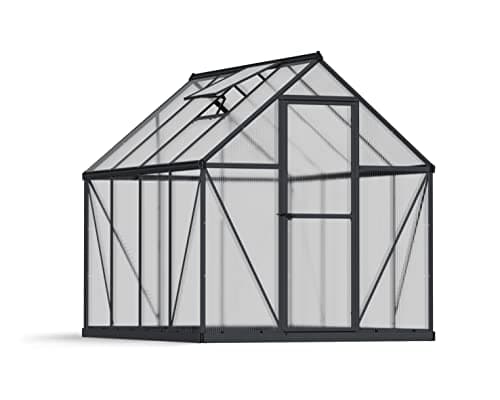 Palram Canopia Mythos GreenhouseAluminum frame, 4 mm twin-wall polycarbonate | A first real greenhouse | 9.0 | Check price on Amazon |
| 3 | 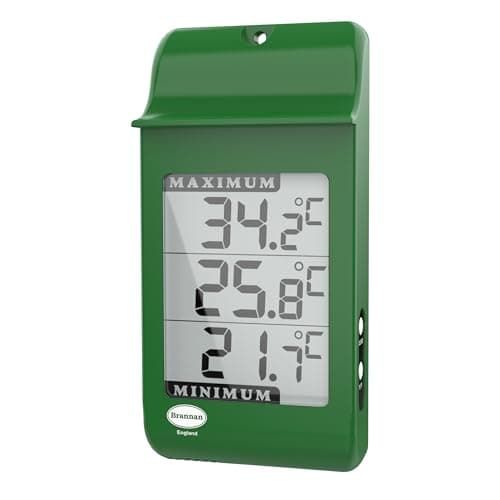 Min/Max Greenhouse ThermometerRecords the high and low since last reset | Knowing what actually happened overnight | 8.6 | $13.95 - View on Amazon |
#ad We may earn a commission - Price as of October 10, 2026
Scores are our own editorial judgment, formed from published specifications and independent sources. They are not aggregated customer ratings, and they are not the result of hands-on testing, which we do not currently do. See how we choose.
Common questions
Is a greenhouse worth it for a home gardener?
Yes if you already start your own seeds, want to grow tomatoes or peppers in a cool or short summer, and have a sheltered site with six or more hours of sun. In that case it typically pays back in two to three seasons through transplants you no longer buy and crops that now ripen. It is not worth it if the gardening habit is not established yet.
Does a greenhouse save money?
It can, mostly through transplants. Every tomato, pepper, brassica and flower start you raise yourself instead of buying is direct saving, and a small greenhouse raises a lot of them. Whether that offsets the kit, base, anchors and staging depends entirely on how many you would otherwise buy.
Can you grow in a greenhouse in winter without heat?
You can grow hardy greens -- spinach, mache, kale, winter lettuces -- and keep them alive through cold spells. You cannot grow tomatoes or peppers. An unheated greenhouse holds only a few degrees over the outside temperature overnight, which is the difference between hardy crops surviving and not.
Is a small greenhouse worth it?
A small rigid greenhouse is, for seed starting and season extension, as long as it is anchored and shelved. A tiny shelved cover is worth it only as a propagation and hardening-off space on a balcony -- it will not grow a plant to maturity, and expecting it to is why those get poor reviews.
What is cheaper than a greenhouse but does the same job?
A cold frame for hardening off and a few weeks of extra season at each end, plus a grow light indoors for raising transplants. Together they cost a fraction of a greenhouse and cover the two returns most first-time buyers are actually after.
Sources
Factual claims on this page are backed by the published sources below, and product specifications are the manufacturers’ own. Where a figure is not published, we say so rather than estimating it.