Step 3 - Seed Starting
How to Harden Off Seedlings
Two weeks of gradual exposure, and the most common way to lose a whole tray of plants you spent eight weeks raising.
Janet H. - the hands-on owner behind Janet Media Group.
Published
This page contains affiliate links. If you buy through them we may earn a commission at no cost to you, and it never decides what we recommend. How this site is funded.
Harden off over about two weeks: start with an hour outdoors in shade and shelter, add roughly an hour a day, bring them in every night for the first week, and only leave them out overnight in the second week once night temperatures are reliably mild. A cold frame does nearly all of this work for you -- prop the lid open a little further each day -- and floating row cover protects them once they are planted out.
What hardening off actually is
A seedling raised indoors has grown in conditions no garden offers: steady warmth, no wind, no direct sun, and humidity far higher than outside. Its leaves have a thin cuticle, its stems have not been flexed, and its roots have never had to cope with a drying soil surface.
Hardening off is a controlled toughening. Over two weeks the plant thickens its leaf cuticle, builds stem strength in response to wind, and adjusts to real light levels. Skip it and the plant is put into full sun and wind with none of those defences, which is why unhardened transplants can be dead within a day.
What actually kills them
- Direct sun, far more than cold. Leaves grown under a grow light scorch in a few hours of real sunshine -- it looks like bleaching or white patches.
- Wind, which both desiccates soft leaves and snaps unflexed stems. A sheltered spot for the first few days is as important as shade.
- Drying out. A small cell dries fast outdoors in sun and wind, and a seedling that wilts hard during hardening off loses days of progress.
- A late frost on a night you did not check. This is the one that takes the whole tray at once.
- Cold soil, which stalls heat-loving crops even without frost. Tomatoes and peppers sulk for weeks if planted into cold ground.
The two-week schedule
- 1
Days 1 to 2 — one hour, full shade
Out in a sheltered, shaded spot for an hour in the middle of the day, then back inside. Do not start on a windy or very bright day.
- 2
Days 3 to 4 — two to three hours, shade with a little dappled sun
Still sheltered. Check for wilting -- water before you put them out, not after they flag.
- 3
Days 5 to 7 — half a day, some morning sun
Morning sun only. Afternoon sun is the stronger and the one that scorches. Still indoors overnight.
- 4
Days 8 to 10 — a full day outdoors
Out in the morning, in at dusk, with a few hours of direct sun. By now they should look visibly sturdier and darker green.
- 5
Days 11 to 13 — overnight, if nights are mild
Leave them out overnight somewhere sheltered, only once night temperatures are reliably above the crop's tolerance. Check the forecast every evening.
- 6
Day 14 — plant out
Plant in the evening or on an overcast day rather than at midday, water in well, and keep row cover handy for the first week.
Treat that as a template rather than a rule. If a cold snap or a storm arrives, pause at the stage you are on -- you lose nothing by taking three weeks, and you can lose everything by pushing through bad weather.
Why a cold frame makes this easy
Moving trays in and out twice a day for two weeks is the reason people skip hardening off. A cold frame turns it into propping a lid: the frame gives shelter from wind and heavy rain, a few degrees of overnight protection, and a gradual increase in exposure that you control by how far you open it.
The discipline it demands is venting. A closed frame on a sunny spring day can cook its contents by lunchtime, which is the opposite of the problem you were solving. Prop it in the morning, close it in the late afternoon. The best cold frames covers the options, and greenhouse vs cold frame explains why a frame is often the better buy for exactly this job.
An unheated greenhouse does the same thing with more room and more risk of overheating. If you have one, use it with the vent and the door open rather than sealed.
Crop by crop tolerance
| Crop group | Tolerance | Note |
|---|---|---|
| Brassicas, lettuce, spinach, onions | Light frost, and they toughen quickly | Can start hardening earlier and go out sooner |
| Peas and broad beans | Hardy; cool conditions suit them | Often direct sown instead, which avoids this entirely |
| Tomatoes | No frost; dislike cold nights and cold soil | Wait for mild nights, not just for no frost |
| Peppers, chillies, eggplant | The least tolerant of all | Harden last and plant out latest; they stall in cold soil |
| Cucumbers, squash, melons | No frost, and they resent root disturbance | Harden fast and plant promptly -- they hate sitting in small cells |
| Basil | Very tender | Treat like a pepper, not like a herb |
The practical consequence is that one tray going out together is usually wrong. Brassicas and lettuce can be hardening while the peppers are still indoors under lights.
After planting out
- Plant in the evening or on a cloudy day. A transplant put in at midday in full sun spends its first hours wilting.
- Water in properly, enough to settle the soil around the root ball rather than just dampening the surface.
- Cover for the first week. Floating row cover softens sun and wind, buys a few degrees against a surprise cold night, and keeps early pests off.
- Expect a pause. Transplants sit still for several days while roots establish. That is not a problem.
- Keep watering until they are away. A newly planted root ball dries out faster than the soil around it.
If you are working out when all of this should be happening, when to start seeds indoors counts back from your own frost date -- and hardening off is the two weeks you need to have left room for.
One practical note on trays: hardening off is hard on flimsy ones. Carrying a flexing tray of wet cells in and out twice a day is how plants get tipped, so heavy-gauge reusable trays earn their cost during exactly these two weeks.
What to buy
The products that fit the advice above, chosen by the process on our how we choose page. We have not hands-on tested them; specifications are the manufacturers’ own.
Quick picks
| # | Product | Best for | Score | Price |
|---|---|---|---|---|
| 1 |  Top pickVIVOSUN Cold Frame Mini GreenhouseLow-profile frame with hinged clear lid | Extending the season over a bed | 8.0 | Check price on Amazon |
| 2 | 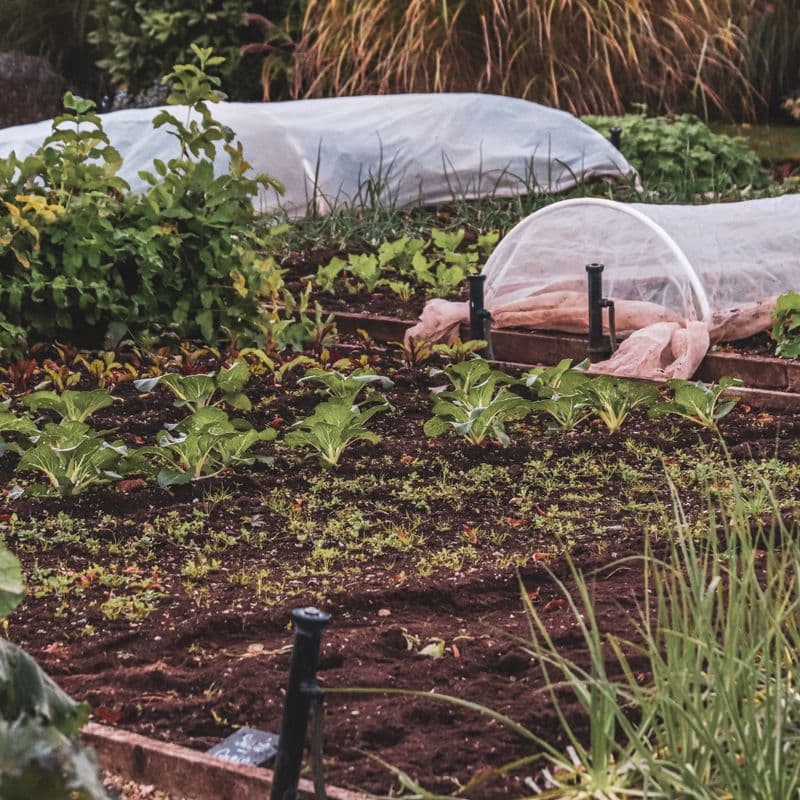 Agribon AG-19 Floating Row Cover0.55 oz/sq yd fabric, about 85% light transmission | A few degrees for almost no money | 8.4 | Check price on Amazon |
| 3 | 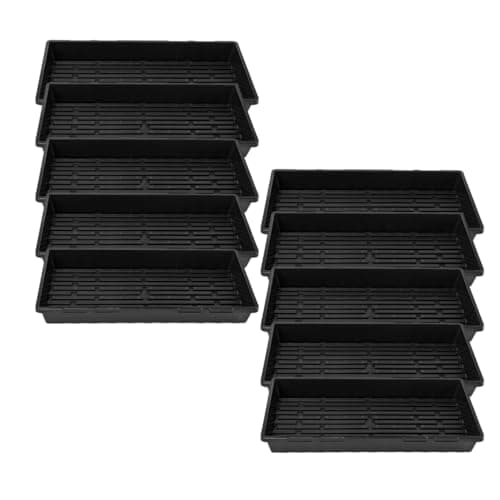 Bootstrap Farmer 1020 Seed TraysHeavy-gauge 1020 trays, reusable for years | Trays that last more than one season | 8.5 | $66.49 - View on Amazon |
#ad We may earn a commission - Price as of October 10, 2026
Scores are our own editorial judgment, formed from published specifications and independent sources. They are not aggregated customer ratings, and they are not the result of hands-on testing, which we do not currently do. See how we choose.
Common questions
How long does it take to harden off seedlings?
About two weeks. Start with an hour outdoors in shade and shelter, add roughly an hour a day, bring them in overnight for the first week, and leave them out overnight in the second week once nights are reliably mild. Taking three weeks costs nothing; rushing it can cost the whole tray.
What happens if you do not harden off seedlings?
They can be dead within a day. Indoor-raised leaves have a thin cuticle and scorch in real sunlight, unflexed stems snap in wind, and small cells dry out fast outdoors. The damage usually looks like bleaching or white patches on the leaves, followed by collapse.
Can you harden off seedlings in a greenhouse or cold frame?
Yes, and a cold frame is the easiest way to do it -- you control the exposure by how far you prop the lid, instead of carrying trays in and out twice a day. The one discipline it demands is venting, because a closed frame on a sunny spring day can cook its contents by lunchtime.
What temperature can hardened-off seedlings tolerate?
It depends entirely on the crop. Brassicas, lettuce, spinach, onions, peas and broad beans take a light frost. Tomatoes want no frost and mild nights. Peppers, chillies, eggplant and basil are the least tolerant of all and should be hardened last and planted out latest.
Should you water seedlings before putting them outside?
Yes -- water before they go out rather than after they flag. A small cell dries quickly in sun and wind, and a seedling that wilts hard during hardening off loses several days of progress and is more likely to scorch.
Sources
Factual claims on this page are backed by the published sources below, and product specifications are the manufacturers’ own. Where a figure is not published, we say so rather than estimating it.