Step 4 - Composting
Electric Composter vs Compost Bin
Most electric composters are dryers, not composters. That one distinction decides whether the machine is worth its price for you.
Janet H. - the hands-on owner behind Janet Media Group.
Published
This page contains affiliate links. If you buy through them we may earn a commission at no cost to you, and it never decides what we recommend. How this site is funded.
If you have a yard, a balcony or access to a shared garden, buy a bin. An outdoor bin costs a small fraction of any electric machine, uses no electricity, and produces finished compost. The honest case for an electric composter is narrow: an apartment with nowhere outdoors to put anything, where the alternative is food waste going into the trash.
The reason that case is narrow is what these machines actually do. Most of them are dehydrators. They heat, grind and dry food scraps in a few hours, and the Illinois Food Scrap and Composting Coalition is direct about the consequence: heat kills the bacteria and microbes, so the output is sterilized dried food waste rather than compost, and it should be buried in a garden or a compost pile to finish breaking down.
| Electric composter | Outdoor compost bin | |
|---|---|---|
| What it does | Heats, grinds and dries scraps, or holds a live microbial culture | Aerobic microbial decomposition over weeks |
| Output | Pre-compost that still has to break down in soil | Finished compost you can plant into |
| Time per batch | Hours | Weeks to months depending on method and season |
| Price bracket | Appliance money -- the most expensive way to handle scraps | The cheapest bins cost less than a bag of potting mix |
| Running cost | Electricity daily, plus carbon filters | None |
| Where it lives | A kitchen counter or floor | Outdoors, on soil ideally |
| Meat, dairy and cooked food | Usually accepted | EPA home composting guidance advises against them |
| Yard waste, leaves, grass | No | Yes, and it needs them for carbon |
| Smell and pests | Filtered and sealed | Managed by covering food with browns |
| Effort | Empty it and replace filters | Turn it, and keep the carbon-to-nitrogen balance roughly right |
Quick picks
| # | Product | Best for | Score | Price |
|---|---|---|---|---|
| 1 | 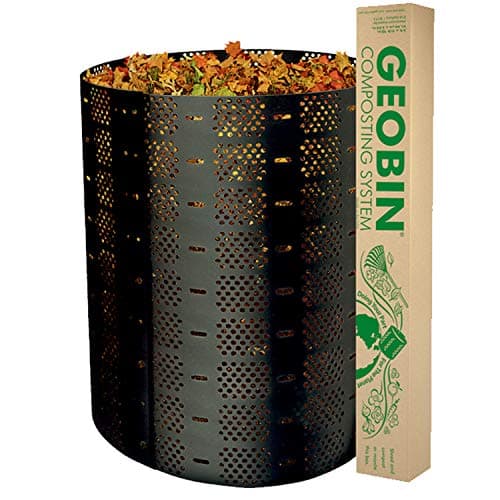 Top pickGEOBIN Expandable Compost BinExpands to roughly 216 gal, 36 in tall | Leaves and yard waste | 8.7 | $35.99 - View on Amazon |
| 2 | 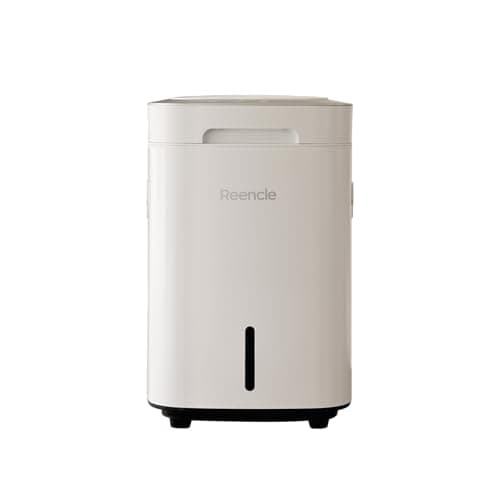 Reencle Prime Electric ComposterMicrobial, about 1.5 lb of scraps a day, 28 dB | An apartment with no outdoor space | 8.0 | $499.00 - View on Amazon |
| 3 | 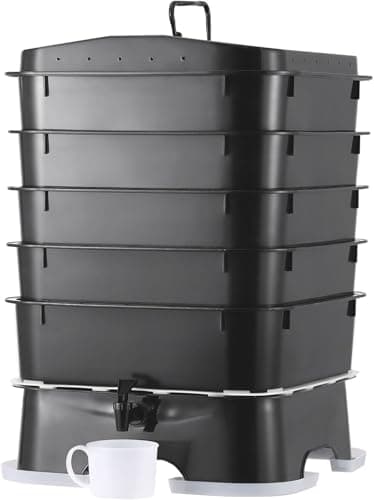 VermiHut Plus 5-Tray Worm Composter5 stacking trays with moisture and odor boards | Indoor composting, no yard | 8.6 | $79.95 - View on Amazon |
#ad We may earn a commission - Price as of October 5, 2026
Scores are our own editorial judgment, formed from published specifications and independent sources. They are not aggregated customer ratings, and they are not the result of hands-on testing, which we do not currently do. See how we choose.
How an electric composter works
There are two genuinely different designs sold under the same label, and the price difference between them is mostly the difference between them.
- Dehydrators. A heated chamber with a grinding paddle. Scraps go in, a cycle runs for a few hours, and what comes out is a dry, dark, coffee-ground-looking material at a fraction of the original volume. Nothing biological has happened to it: the heat sterilized it.
- Microbial units. A heated chamber holding a live culture on a carrier medium, kept at working temperature. You add scraps continuously rather than in batches, and the microbes digest them. The output has been biologically worked on, so it is closer to compost -- though it still benefits from finishing in soil.
Most machines on the market are the first kind. If the specification talks about a cycle time measured in hours and a volume reduction percentage, it is a dehydrator. If it talks about a microbial medium you top up and a continuous feed, it is the second kind. Our electric composters page ranks the specific models.
The output is the part the marketing skips
Composting, as the EPA and extension services describe it, is a microbial process: bacteria and fungi break organic matter down over weeks, with heat as a by-product of their work rather than an input. A machine that applies heat to dry material out is doing something mechanically similar in appearance and biologically opposite.
That matters when you use the output. Dried, ground food waste dug into a bed is a concentrated material that soil microbes have to break down, and the Illinois coalition notes it can temporarily tie up nitrogen while they do -- which is the last thing a hungry seedling needs. Mix it in thinly, in advance of planting, or add it to a compost pile and let it finish properly.
Running cost, stated plainly
A machine has a running cost and a bin does not. Reencle, for instance, publishes average consumption of about 52 watts and roughly 1.25 kilowatt-hours a day for its continuous microbial unit, plus a carbon filter it recommends replacing every nine to twelve months. Dehydrator-style units draw far more while a cycle runs, though only for a few hours at a time.
Work out your own electricity cost per kilowatt-hour against those figures before buying -- it is a small number per day and a real number per year, and it is on top of a purchase price that is already an order of magnitude above a bin.
What each one accepts
This is where electric units have a legitimate advantage. EPA guidance on home composting advises keeping meat, dairy, fats and oils out of a backyard pile, because they attract animals and go anaerobic. Most electric machines accept cooked food, small amounts of meat and dairy, which means a higher share of a real kitchen's waste stream is handled.
A bin's advantage is the opposite end: it takes leaves, grass clippings, prunings and cardboard, which an electric machine cannot touch. A kitchen produces nitrogen-rich scraps, and a compost pile needs roughly two to three times as much carbon-rich brown material to work -- see what to put in a compost bin. If you have a yard, you have the browns, and that is a strong argument for the bin.
The indoor option most people miss
If the reason you are looking at an electric composter is that you have no outdoor space, compare it with a worm bin rather than only with an outdoor pile. A stacking vermicomposting bin lives under a sink or in a closet, is odorless when run correctly, costs a small fraction of an appliance, uses no electricity, and the castings it produces are finished compost of a quality a machine cannot match.
It asks for something different in return: a living system you feed in moderation and keep damp rather than wet. Extension guidance on vermicomposting is the place to start, and worm composting bins covers the hardware. For the straight comparison between the two indoor routes, compost bin vs worm bin is the relevant page.
Choose an electric composter if
- You have no outdoor space at all, and no shared garden or community drop-off.
- The alternative is genuinely food waste in the trash.
- Speed and tidiness matter more to you than the quality of the finished material.
- You want to divert cooked food, meat and dairy, which a backyard pile should not take.
- You accept the purchase price, the daily electricity and the filter as the cost of that convenience.
Choose a compost bin if
- You have a yard, a balcony, an alley or a shared garden -- anywhere a bin can stand.
- You want finished compost to put in a raised bed, not a material that still needs to break down.
- You also generate leaves, grass or prunings, which a machine cannot process.
- You would rather spend the money on soil and plants than on an appliance.
- You are willing to turn it occasionally and keep roughly two to three parts browns to one part kitchen scraps.
For specific bins, the best compost bins ranks the open, tumbler and worm options together, and composting for beginners is the walkthrough if this is your first attempt. For the countertop caddy that carries scraps out to whichever of these you choose, see kitchen compost bins.
The picks in full
Top pick
GEOBIN Expandable Compost Bin
GEOBIN
Barely a product -- a sheet of perforated plastic you roll into a circle -- and by far the most volume per dollar in composting.
If your composting problem is autumn leaves and grass clippings rather than kitchen scraps, this is the answer and a tumbler is not. Volume is what yard waste needs, and 216 gallons of volume costs less here than 40 gallons costs anywhere else.
The adjustable diameter is genuinely useful: start it small so the pile stays deep enough to heat, and expand it as the material accumulates.
Keep cooked food, meat and dairy out. An open bin with no floor is accessible to every rodent in the neighborhood, and the standard advice on that is not squeamishness, it is experience.
What works
- Enormous capacity for the money
- Adjustable diameter -- start small, expand as you fill it
- Perforations give good airflow through the pile
- Unclips and stores flat
What does not
- No lid, so heavy rain waterlogs it
- No rodent protection whatsoever
- Turning it means a fork and some effort
Skip it if: you are composting cooked food or meat. An open bin is an open invitation, and this one has no lid and no floor.
| Type | Open expandable bin |
|---|---|
| Capacity | Up to about 216 gal depending on diameter |
| Height | 36 in |
| Material | Perforated recycled plastic sheet |
| Assembly | Roll and clip, under five minutes |
An apartment with no outdoor space
Reencle Prime Electric Composter
Reencle
The one machine in this category that works biologically rather than by drying scraps out, which is why its output is closer to compost than to ground breakfast cereal.
Almost every machine sold as an electric composter is a dehydrator: it heats, grinds and dries food scraps, which kills the microbes rather than feeding them. This one is built the other way around, holding a live microbial medium at working temperature and letting it digest what you add.
That changes how you use it. There is no batch cycle to wait out -- you add scraps as they appear and draw material off the bottom periodically, which is much closer to how a worm bin behaves than to how a kitchen appliance behaves.
It is still a machine with a running cost. The manufacturer puts consumption at around 52 watts on average and 1.25 kWh a day, and the carbon filter is a yearly consumable. If you have anywhere outdoors to put a bin, put a bin there instead.
What works
- Runs a live microbial culture continuously, so you add scraps daily rather than in batches
- Quiet enough to live in a kitchen
- No outdoor space, no smell and nothing for rodents to find
- Output has been biologically worked on, not just dried and ground
What does not
- Costs many times what an outdoor bin costs, plus electricity every day it runs
- Needs the microbial medium kept alive -- it is a culture, not an appliance you ignore
- Takes up a substantial piece of floor or counter, at 18 inches tall
- Output still needs to finish in soil before you plant into it
Skip it if: you have a yard, a balcony or a shared garden. An outdoor bin costs a fraction of this and makes better compost with no electricity at all.
| Type | Electric composter with a live microbial medium |
|---|---|
| Daily capacity | Manufacturer states about 1.5 lb recommended, 2.2 lb maximum |
| Size | About 12 in wide, 13 in deep, 18.4 in tall |
| Weight | About 20 lb |
| Noise | Manufacturer states 28 dB average |
| Power | Manufacturer states 52 W average, about 1.25 kWh a day |
| Filter | Carbon filter, replacement every 9 to 12 months |
Indoor composting, no yard
VermiHut Plus 5-Tray Worm Composter
VermiHut
A worm bin that works indoors year-round, which is the only real option for an apartment -- and worm castings are better than compost anyway.
Vermicomposting is the answer to two problems at once: no outdoor space, and winter. A worm bin lives under a sink or in a garage and keeps working at room temperature when an outdoor pile has gone cold and dormant.
The stacking system does the sorting for you. Worms finish a tray and migrate up toward the fresh food in the tray above, leaving finished castings behind to lift off.
Two habits make the difference between an odor-free bin and a bad experience: feed small amounts, and keep the bedding damp rather than wet. Smell is almost always overfeeding.
What works
- Genuinely odor-free when run correctly
- Works indoors through winter, when outdoor piles stall
- Castings are a stronger soil amendment than ordinary compost
- Worms migrate upward, so harvesting is mostly self-sorting
What does not
- Worms are a separate purchase and a living thing to look after
- Cannot take onion, citrus or large amounts at once
- Small throughput compared with an outdoor bin
Skip it if: the idea of keeping worms in the house is a hard no. It works, it does not smell, and it is still not for everyone.
| Type | Stacking-tray vermicomposter |
|---|---|
| Trays | 5 |
| Features | Airflow board and moisture-control board |
| Liquid | Tap at the base for drainage |
| Worms | Not included -- buy red wigglers separately |
Common questions
How does an electric composter work?
Most are dehydrators: a heated chamber with a grinding paddle dries and grinds scraps over a few hours into a dry, dark material at a fraction of the original volume. A smaller number hold a live microbial culture at working temperature and digest scraps continuously instead. The two designs produce quite different output.
Is the output from an electric composter real compost?
For a dehydrator, no. The Illinois Food Scrap and Composting Coalition is explicit that heat kills the microbes, so the output is sterilized dried food waste -- pre-compost that should be buried in a garden or added to a pile to finish. Microbial units get closer to compost, because something biological actually happened.
Are electric composters worth it?
Only if you have no outdoor space. They cost appliance money, use electricity every day and consume filters, and the output still has to break down in soil. If the alternative is food waste going into the trash, that trade can be worth it. If a bin can stand anywhere outside, the bin is a better buy by a wide margin.
Can you put electric composter output straight on plants?
Not neat around growing plants. It is concentrated material that soil microbes still have to process, and that process can temporarily tie up nitrogen. Mix it thinly into a bed a couple of weeks before planting, or add it to a compost pile and let it finish there.
What is the cheapest way to compost in an apartment?
A worm bin. It lives under a sink, runs on no electricity, is odorless when fed in moderation, and produces finished castings rather than dried scraps. It costs a small fraction of an electric unit. The trade is that it is a living system you have to look after rather than an appliance you switch on.
Do electric composters smell?
Generally no -- they are sealed and vent through a carbon filter, which is the main reason people buy them for a kitchen. The filter is a consumable; when a machine starts to smell, a spent filter is the usual explanation. Reencle, for example, recommends replacing its filter every nine to twelve months.
Sources
Factual claims on this page are backed by the published sources below, and product specifications are the manufacturers’ own. Where a figure is not published, we say so rather than estimating it.
- Debunking the myth: food scrap dehydrators are not composters - Illinois Food Scrap and Composting Coalition
- Composting at home - US Environmental Protection Agency
- Home composting: a guide for home gardeners - Penn State Extension
- Vermicomposting puts worms to work - Penn State Extension
- Product specifications: Prime, Gravity and Gravity Pro - Reencle (manufacturer)